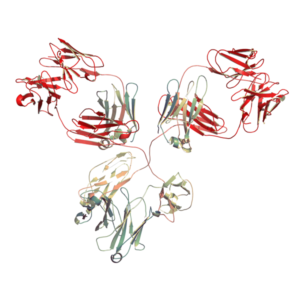
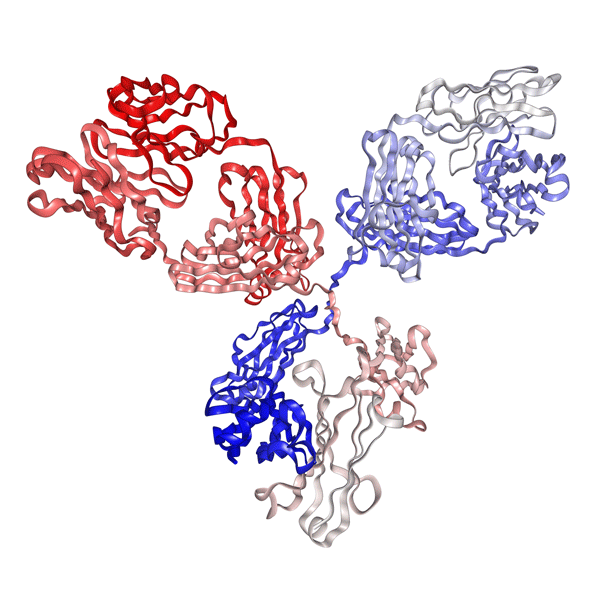
Anti-mouse PD-1 Monoclonal Antibody (RMP1-14.1) | PA007162.mm2aLA


$160.00 – $1,950.00
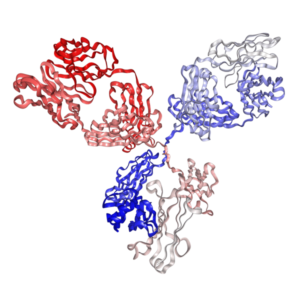
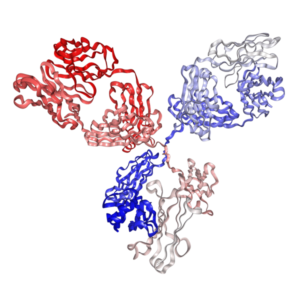
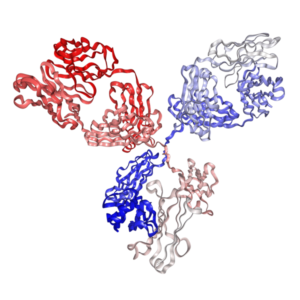
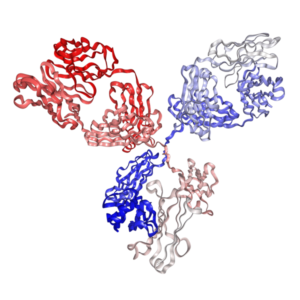
Recombinant mouse anti-mouse PD 1 / CD279 monoclonal antibodies, whose variable region sequences are murined from the rat anti-mouse PD-1 monoclonal antibody (clone number: RMP1-14), are produced from mammalian cells. The recombinant rat and chimeric mouse versions of the RMP1-14 antibody are also available.
- Details & Specifications
- References
- Ushelf Advisor
| Catalog No. | PA007162.mm2aLA |
|---|---|
| Product Name | In Vivo Grade Recombinant Murinized Anti-mouse PD-1 Monoclonal Antibody (Clone RMP1-14.1), Mouse IgG2a-L234A L235A P329G (LALAPG) Kappa |
| Data Sheet | 📄 Download Product Data Sheet (PDF) |
| Supplier Name | Syd Labs, Inc. |
| Brand Name | Syd Labs |
| Synonyms | Mouse Anti-Mouse PD 1 Monoclonal Antibodies, Murinized Anti-Mouse PD 1 Monoclonal Antibodies |
| Summary | The In Vivo Grade Recombinant Murinized Anti-mouse PD-1 MAb (Clone RMP1-14.1), Mouse IgG2a-L234A L235A P329G (LALAPG) Kappa was produced in mammalian cells. |
| Clone | RMP1-14.1, the murinized variable region sequences of the rat anti-mouse PD-1 monoclonal antibody (clone number: RMP1-14) |
| Isotype | Mouse IgG2a-LALAPG,Kappa |
| Applications | immunohistochemistry (IHC), Flow Cytometry (FC), and various in vitro and in vivo functional assays. |
| Immunogen | The original rat hybridoma (clone name: RMP1-14) was generated by immunizing Sprague Dawley rats with mouse PD-1-transfected BHK cells and using a P3U1 myeloma as the fusion partner. |
| Form Of Antibody | 0.2 μM filtered solution of 1x PBS. |
| Endotoxin | Less than 1 EU/mg of protein as determined by LAL method. |
| Purity | >95% by SDS-PAGE under reducing conditions. |
| Shipping | The In Vivo Grade Recombinant Murinized Anti-mouse PD-1 Mouse IgG2a-L234A L235A P329G (LALAPG) Kappa Monoclonal Antibody (Clone RMP1-14.1) are shipped with ice pack. Upon receipt, store it immediately at the temperature recommended below. |
| Stability & Storage | Use a manual defrost freezer and avoid repeated freeze-thaw cycles. 1 month from date of receipt, 2 to 8°C as supplied. 3 months from date of receipt, -20°C to -70°C as supplied. |
| Note | Recombinant mouse anti-mouse PD 1 / CD279 monoclonal antibodies, whose variable region sequences are murined from the rat anti-mouse PD-1 monoclonal antibody (clone number: RMP1-14), are produced from mammalian cells. The recombinant rat and chimeric mouse versions of the RMP1-14 antibody are also available. |
| Order Offline | Phone: 1-617-401-8149 Fax: 1-617-606-5022 Email: message@sydlabs.com Or leave a message with a formal purchase order (PO) Or credit card. |
Description
PA007162.mm2aLA: Recombinant Anti-mouse PD-1 MAb Murinized Antibody(Clone RMP1-14.1), Mouse IgG2a-L234A L235A P329G (LALAPG) Kappa, In Vivo Grade
Syd Labs’s murinized anti-PD-1 recombinant antibody recombinant antibody mouse IgG2a-LALAPG is manufactured in mammalian cells. Syd Labs: the best antibodies for in vivo research. Syd Labs proudly presents its high-performance anti-mouse PD-1 clone RMP1-14.1 to reduce the immune response when it is used in mice in vivo. The murinized anti-mouse PD-1 recombinant antibody has not only the constant regions of the mouse IgG antibodies but also the murinized variable regions.
Syd Labs offers its premium in vivo-grade anti-mouse PD-1 monoclonal antibody (Clone RMP1-14.1), engineered as a recombinant protein—not derived from hybridoma technology—to eliminate risks of FBS or ascites contamination during production. With flexible isotype options (e.g., IgG1, IgG2a) and customizable mutants, our antibody ensures tailored solutions for diverse experimental needs. Rigorously validated for ultra-low endotoxin levels (as low as 0.05 EU/mg), Syd Labs provides unparalleled cost efficiency, pricing 20-50% lower than competitors while meeting stringent endotoxin standards, making it the trusted choice for reliable and reproducible in vivo studies.
References of Anti-mouse PD-1 Monoclonal Antibody (Clone: RMP1-14)
1. PD-L1/PD-1 checkpoint pathway regulates hippocampal neuronal excitability and learning and memory behavior.
Fan, et al.J Neuroinflammation. 2023 Sep 25;20(1):222. PMID: 37759247; PMCID: PMC10529885
“We found that PD-1 expression was significantly increased in the hippocampus of chronic unpredictable mild stress (CUMS) mice. PD-1 deficiency or blockade of the PD-1/PD-L1 pathway with the RMP1-14 antibody improved depressive-like behaviors and cognitive deficits in CUMS mice. Furthermore, we demonstrated that the PD-1/PD-L1 pathway regulates neuronal excitability and synaptic plasticity in the hippocampus.”
2. PD-L1 signaling selectively regulates T cell lymphatic transendothelial migration.
Li, et al.Nat Commun. 2022 Apr 19;13(1):2062. PMID: 35439798; PMCID: PMC9023578
“We show that PD-L1 is highly expressed on lymphatic endothelial cells (LECs) and its engagement by PD-1 on T cells regulates T cell migration. Blocking PD-1/PD-L1 interaction using RMP1-14 antibody in vivo increased T cell retention in lymph nodes. This mechanism provides a previously uncharacterized pathway for the regulation of T cell trafficking during immune responses.”
3. Macrophages Impair TLR9 Agonist Antitumor Activity through Interacting with the Anti-PD-1 Antibody Fc Domain.
Koyama, et al.Cancer Immunol Res. 2021 Sep;9(9):1042-1052. PMID: 34187834; PMCID: PMC8391891
“We identified that macrophages are the main cells that interact with the Fc domain of anti-PD-1 antibodies. Interaction of the anti-PD-1 antibody (clone RMP1-14) Fc domain with macrophage Fc receptors impaired the antitumor activity of TLR9 agonists. Modifying the Fc domain to prevent this interaction restored the antitumor efficacy of the combination therapy.”
4. Prophylactic IL-23 blockade uncouples efficacy and toxicity in dual CTLA-4 and PD-1 immunotherapy.
McGuire, et al.Cell Rep Med. 2024 Aug 20;5(8):101668. PMID: 39097722; PMCID: PMC11293404
“Dual checkpoint blockade (anti-CTLA-4 and anti-PD-1) is highly effective but associated with significant immune-related adverse events. We investigated the role of IL-23 in the toxicity of dual checkpoint blockade. Treatment with RMP1-14 (anti-PD-1) and anti-CTLA-4 triggered severe colitis, which was prevented by prophylactic IL-23 blockade without compromising antitumor immunity.”
5. Angiogenic inhibitor pre‐administration improves the therapeutic effects of immunotherapy.
Wang, et al.Cancer Med. 2023 May;12(9):10636-10648. PMID: 37158784; PMCID: PMC10166916
“Combining anti-angiogenic agents with immune checkpoint inhibitors has shown potential in cancer treatment. We evaluated whether pre-administration of an angiogenic inhibitor improves the efficacy of anti-PD-1 (RMP1-14) antibody treatment. The results indicated that normalized vascularization facilitated T cell infiltration and significantly enhanced the therapeutic outcomes of immunotherapy.”
For more technical references or data sheets regarding the Anti-mouse PD-1 Monoclonal Antibody (Clone: RMP1-14) formats, please contact our scientific support team at message@sydlabs.com.
Other Recombinant IgG Reference Antibodies:
Recombinant Human IgG1 Isotype Control Antibody and Mutants, In vivo Grade
Recombinant Human IgG2 Isotype Control Antibody, In vivo Grade
Recombinant Human IgG3 Isotype Control Antibody, In vivo Grade
Recombinant Human IgG4-S228P Isotype Control Antibody and Mutants, In vivo Grade
Recombinant Mouse IgG1 Isotype Control Antibody and Mutants, In vivo Grade
Recombinant Mouse IgG2a Isotype Control Antibody and Mutants, In vivo Grade
Recombinant Mouse IgG2b Isotype Control Antibody and Mutants, In vivo Grade
Recombinant Mouse IgG2c Isotype Control Antibody and Mutants, In vivo Grade
Recombinant Mouse IgG3 Isotype Control Antibody, In vivo Grade
Recombinant Rat IgG1 Isotype Control Antibody, In vivo Grade
Recombinant Rat IgG2a Isotype Control Antibody, In vivo Grade
Recombinant Rat IgG2b Isotype Control Antibody, In vivo Grade
Recombinant Rat IgG2c Isotype Control Antibody, In vivo Grade
Syd Labs provides the following anti-mouse PD-L1 / PD-1 antibodies:
Recombinant anti-mouse PD1 antibodies (Clone 29F.1A12.1), In vivo grade
Recombinant anti-mouse PD-1 antibodies (Clone RMP1-14.1), In vivo grade
Recombinant anti-mouse PD-L1 antibodies (Clone 10F.9G2.1), In vivo grade
Recombinant anti-mouse PD-1 / PD-1 bispecific antibodies (Clone RMP1-14.1 / 29F.1A12.1), In vivo grade
Recombinant anti-mouse PD-1 / PD-1 bispecific antibodies (Clone 29F.1A12.1 / RMP1-14.1), In vivo grade
Recombinant anti-mouse PD-1 / PD-L1 bispecific antibodies (Clone RMP1-14.1 / 10F.9G2.1), In vivo grade
Recombinant anti-mouse PD-L1 / PD-1 bispecific antibodies (Clone 10F.9G2.1 / RMP1-14.1), In vivo grade
Recombinant anti-mouse PD-1 / PD-L1 bispecific antibodies (Clone 29F.1A12.1 / 10F.9G2.1), In vivo grade
Recombinant anti-mouse PD-L1 / PD-1 bispecific antibodies (Clone 10F.9G2.1 / 29F.1A12.1), In vivo grade
Anti-mouse PD-1 Antibody (RMP1-14.1) from: Murinized Anti-mouse PD-1 Monoclonal Antibody: PA007162.mm2aLA Syd Labs
Ushelf Advisor
Q: What is the difference between PA007162.mm2aLA and traditional rat IgG2a anti-mouse PD-1 antibodies like PA007162.r2a?
PA007162.mm2aLA is a fully murinized recombinant antibody featuring both murinized variable region sequences and a mouse IgG2a constant region with LALAPG (L234A L235A P329G) mutations. While PA007162.r2a contains rat sequence components that can trigger immunogenicity in repeated mouse dosing, PA007162.mm2aLA minimizes anti-rat immune responses and eliminates Fc-mediated effector functions (ADCC/CDC) for pure, depletion-free PD-1 blockade.
Q: What is the significance of the LALAPG (L234A L235A P329G) mutations in PA007162.mm2aLA?
The LALAPG triple mutation in the mouse IgG2a Fc domain effectively silences binding to Fcγ receptors and C1q. This eliminates unwanted antibody-dependent cellular cytotoxicity (ADCC), complement-dependent cytotoxicity (CDC), and Fc-mediated cell depletion, ensuring strictly non-depleting, blocking-only target inhibition in long-term in vivo tumor studies.
Q: Is PA007162.mm2aLA suitable for in vivo preclinical research?
Yes, it is expressed in mammalian cells as an in vivo grade reagent featuring high purity (>95% by SDS-PAGE) and ultra-low endotoxin levels (<1 EU/mg by LAL method). It is validated for in vivo functional assays, flow cytometry (FC), and immunohistochemistry (IHC).
Q: What specific clone characteristics and origin does PA007162.mm2aLA have?
Designated as clone RMP1-14.1, it incorporates the murinized variable region sequences of the classic rat anti-mouse PD-1 clone RMP1-14, which was originally generated by immunizing Sprague Dawley rats with mouse PD-1-transfected BHK cells.
Q: How is PA007162.mm2aLA formulated, shipped, and stored?
It is supplied as a 0.2 μM filtered solution in 1x PBS, shipped with ice packs, and should be stored in a manual defrost freezer at 2 to 8°C for short-term use (1 month) or -20°C to -70°C for long-term storage (3 months), avoiding repeated freeze-thaw cycles.
You may also like…
-
 Select optionsQuick View