
Anti-mouse OX40 Monoclonal Antibody (Clone OX86) | PA007168.r1

$150.00 – $900.00
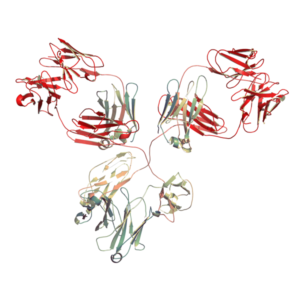
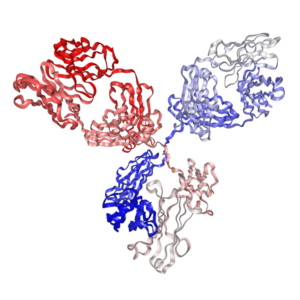
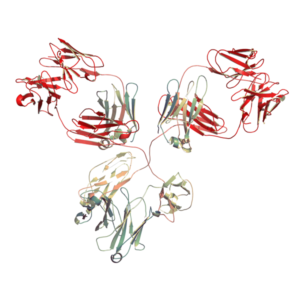
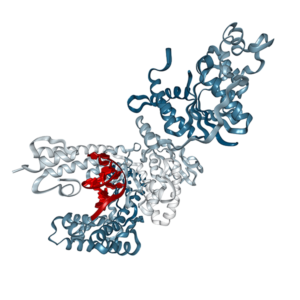
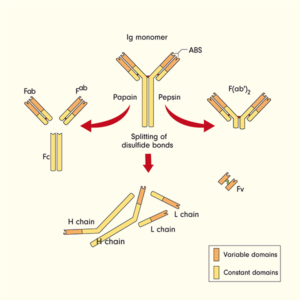
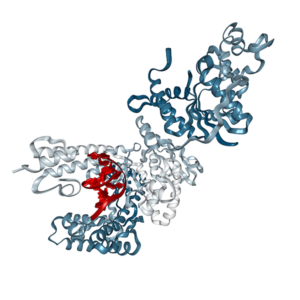
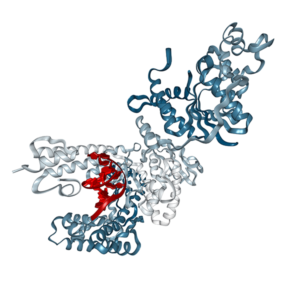
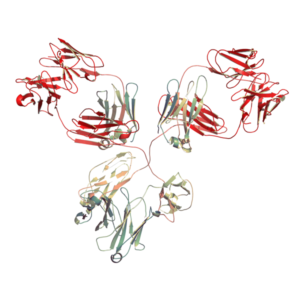
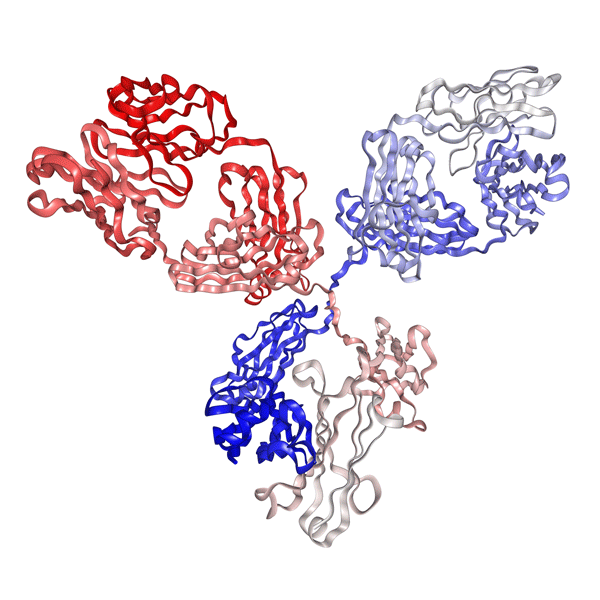
In Vivo Grade Recombinant Anti-mouse OX40 Rat IgG1 Kappa Monoclonal Antibody (Clone OX86). Recombinant anti-mouse OX40 monoclonal antibodies from the variable region sequences of the rat anti-mouse OX40 monoclonal antibody (clone number: OX86) are produced from mammalian cells and good for in vitro and in vivo studies.
- Details & Specifications
- References
| Catalog No. | PA007168.r1 |
|---|---|
| Product Name | In Vivo Grade Recombinant Anti-mouse OX40 Monoclonal Antibody (Clone OX86), Rat IgG1 Kappa |
| Supplier Name | Syd Labs, Inc. |
| Brand Name | Syd Labs |
| Synonyms | CD134 |
| Summary | The in vivo grade recombinant anti-mouse OX40 rat IgG1 monoclonal antibody was produced in mammalian cells. |
| Clone | OX86. |
| Isotype | rat IgG1, kappa. |
| Specificity/Sensitivity | OX40 / CD134. |
| Applications | ELISA, Western blot (WB), immunofluorescence (IF), Flow Cytometry (FC), and various in vitro and in vivo functional assays. |
| Form Of Antibody | 0.2 μM filtered solution of 1x PBS. |
| Endotoxin | Less than 1 EU/mg of protein as determined by LAL method. |
| Purity | >95% by SDS-PAGE under reducing conditions. |
| Shipping | The In Vivo Grade Recombinant Anti-mouse OX40 Rat IgG1 Kappa Monoclonal Antibody (Clone OX86) are shipped with ice pack. Upon receipt, store it immediately at the temperature recommended below. |
| Stability & Storage | Use a manual defrost freezer and avoid repeated freeze-thaw cycles. 1 month from date of receipt, 2 to 8°C as supplied. 3 months from date of receipt, -20°C to -70°C as supplied. |
| Note | Recombinant anti-mouse OX40 monoclonal antibodies from the variable region sequences of the rat anti-mouse OX40 monoclonal antibody (clone number: OX86) are produced from mammalian cells and good for in vitro and in vivo studies. |
| Order Offline | Phone: 1-617-401-8149 Fax: 1-617-606-5022 Email: message@sydlabs.com Or leave a message with a formal purchase order (PO) Or credit card. |
Description
PA007168.r1: Recombinant Anti-mouse OX40 Monoclonal Antibody (Clone OX86), Rat IgG1 Kappa, In Vivo Grade
The rat anti-mouse OX40 / CD134 monoclonal antibody OX86 (rat IgG1 kappa) reacts with the mouse OX40 protein (CD134), a costimulatory molecule that belongs to the tumor necrosis factor receptor (TNFR) superfamily. OX40 agonist-based combinations are emerging as promising candidates for novel cancer immunotherapy. The OX86 antibody is recommended for detection of mouse OX40 cell surface antigen by IF and FCM available conjugated to either phycoerythrin or FITC for IIHC (P) and FCM.
Our recombinant OX86 antibodies have a part (variable regions) or complete amino acid sequences of the rat anti-mouse OX40 monoclonal antibody (hybridoma clone name or number: OX86).
References of Anti-Mouse OX40 Monoclonal Antibody (Clone: OX86)
1. Generation and characterization of OX40-ligand fusion protein that agonizes OX40 on T-Lymphocytes
Biotech Research Group, et al.Sci Rep. 2024 Oct 12;14(1):24567. doi: 10.1038/s41598-024-75432-w. PMID: 39399876; PMCID: PMC11757143
“OX40 (CD134) is a crucial co-stimulatory receptor expressed primarily on activated T lymphocytes that enhances survival and clonal expansion. To leverage this pathway, we engineered and characterized a novel recombinant OX40-ligand fusion protein designed to act as a potent agonist. Our characterization confirms that this multimeric construct successfully binds and clusters surface OX40, delivering robust activation signals that enhance T-cell proliferation and cytokine secretion in vitro and in vivo.”
2. OX40+ plasmacytoid dendritic cells in the tumor microenvironment promote antitumor immunity
Poropatich A, et al.Nat Commun. 2020 Jun 29;11(1):3264. doi: 10.1038/s41467-020-17070-0. PMID: 32601234; PMCID: PMC7324178
“Plasmacytoid dendritic cells (pDCs) are traditionally recognized for their rapid production of type I interferons during viral infections. This study identifies a distinct population of OX40+ pDCs residing within the tumor microenvironment that directly contributes to antitumor immune responses. Targeting and activating OX40 on these dendritic cells using monoclonal antibodies significantly enhances antigen presentation and downstream T-cell-mediated tumor clearance.”
3. Critical role of OX40 signaling in the TCR-independent phase of human and murine thymic Treg generation
Mahmoud AD, et al.Cell Rep. 2019 Jan 29;26(5):1234-1245. doi: 10.1016/j.celrep.2019.01.023. PMID: 30699345; PMCID: PMC6355936
“Thymic regulatory T cell (tTreg) development is a highly regulated, multi-step selection process dependent on TCR and co-stimulatory signaling. Here, we demonstrate that OX40 signaling plays a critical, non-redundant role specifically in the TCR-independent phase of both human and murine tTreg generation. Modulating the OX40/OX40L pathway using specific antibody clones highlights novel biological avenues to control regulatory T-cell populations in autoimmune contexts.”
4. Activation of OX40 Prolongs and Exacerbates Autoimmune Experimental Uveitis
Prendergast S, et al.Invest Ophthalmol Vis Sci. 2011 Oct 17;52(11):8456-8463. doi: 10.1167/iovs.11-7892. PMID: 21917932; PMCID: PMC3208192
“Experimental autoimmune uveitis (EAU) is a well-established rodent model used to investigate the immunopathogenesis of human autoimmune uveoretinitis. In this study, we demonstrate that in vivo administration of the agonistic anti-mouse OX40 monoclonal antibody (clone OX86) significantly prolonged and exacerbated uveitis clinical scores. These results highlight the critical role of the OX40/OX40L pathway in driving and maintaining pathogenic effector T-cell responses in immunoprivileged tissues.”
5. Imaging activated T cells predicts response to cancer vaccines
Aarntzen EH, et al.Clin Cancer Res. 2018 Jun 1;24(11):2512-2521. doi: 10.1158/1078-0432.CCR-17-3456. PMID: 29555678; PMCID: PMC5983309
“Noninvasive imaging technologies are highly valuable tools to monitor the spatial-temporal dynamics of active T-cell infiltration in oncology trials. Here, we utilize radiolabeled antibodies targeting specific activation markers, including anti-OX40 (clone OX86), to monitor immunological responses to cancer vaccine regimens. High-resolution imaging of activated T cells successfully predicted long-term therapeutic efficacy and overall survival in tumor-bearing mouse models.”
For more technical references or data sheets regarding the Anti-Mouse OX40 Monoclonal Antibody (Clone: OX86) formats, please contact our scientific support team at message@sydlabs.com.
In Vivo Grade Recombinant Anti-Mouse OX40/CD134 Monoclonal Antibodies (Clone YTS 169.4):
In Vivo Grade Recombinant Anti-Mouse OX40 Mouse IgG2a Monoclonal Antibody
In Vivo Grade Recombinant Anti-Mouse OX40 Mouse IgG2a-LALAPG Monoclonal Antibody
In Vivo Grade Recombinant Anti-Mouse OX40 Rat IgG1 Monoclonal Antibody
In Vivo Grade Recombinant Anti-Mouse OX40 Mouse IgG1 Monoclonal Antibody
In Vivo Grade Recombinant Anti-Mouse OX40 Mouse IgG1-D265A Fragment
In Vivo Grade Recombinant Anti-Mouse OX40 Rabbit IgG Monoclonal Antibody
Anti-mouse OX40 Antibody (OX86) from: In Vivo Grade Recombinant Anti-mouse OX40 Rat IgG1 Kappa Monoclonal Antibody (Clone OX86): PA007168.r1 Syd Labs
You may also like…
-
 Select optionsQuick View
 -
 Select optionsQuick View
 - Hot
 Select optionsQuick View
 -
 Select optionsQuick View
 -
 Select optionsQuick View
 - Hot
 Select optionsQuick View