Anti-Mouse CD8a Antibody (2.43) | PA007167.m2a
$150.00 – $900.00
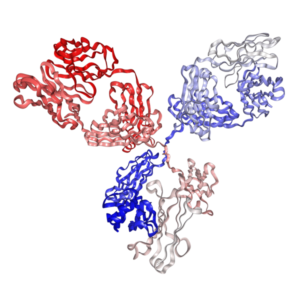
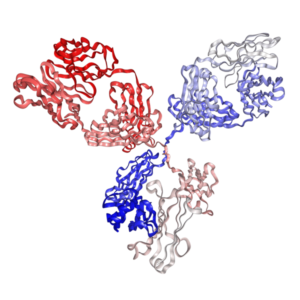
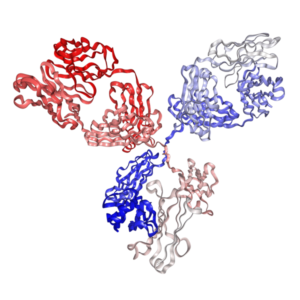
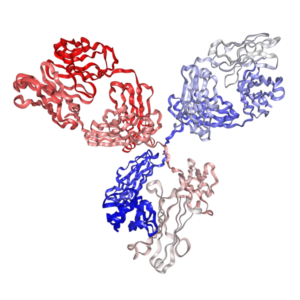
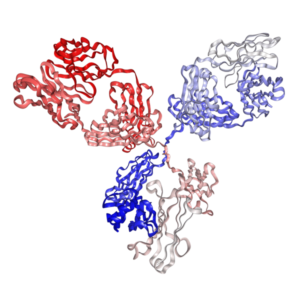
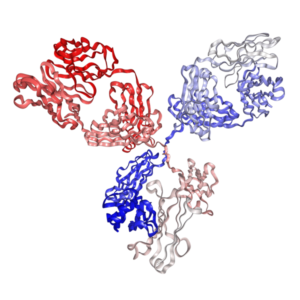
Recombinant anti-mouse CD8a monoclonal antibodies from the variable region sequences of the rat anti-mouse CD8a monoclonal antibody (clone number: 2.43) are produced from mammalian cells and good for in vitro and in vivo studies.
- Details & Specifications
- References
- More Offers
| Catalog No. | PA007167.m2a |
|---|---|
| Product Name | Anti-Mouse CD8a Antibody (2.43) | PA007167.m2a |
| Supplier Name | Syd Labs, Inc. |
| Brand Name | Syd Labs |
| Synonyms | CD8 alpha, T-cell surface glycoprotein CD8 alpha chain, CD_antigen CD8a |
| Summary | The in vivo grade recombinant anti-mouse CD8a mouse IgG2a monoclonal antibody was produced in mammalian cells. |
| Clone | 2.43. |
| Isotype | mouse IgG2a, kappa. |
| Specificity/Sensitivity | CD8a. |
| Applications | Western blot, immunohistochemistry (IHC), Flow Cytometry (FC), and in vivo CD8+ T cell depletion. |
| Form Of Antibody | 0.2 μM filtered solution of 1x PBS. |
| Endotoxin | Less than 1 EU/mg of protein as determined by LAL method. |
| Purity | >95% by SDS-PAGE under reducing conditions. |
| Shipping | The in vivo grade recombinant anti-mouse CD8a antibodies (clone of 2.43) are shipped with ice pack. Upon receipt, store it immediately at the temperature recommended below. |
| Stability & Storage | Use a manual defrost freezer and avoid repeated freeze-thaw cycles. 1 month from date of receipt, 2 to 8°C as supplied. 3 months from date of receipt, -20°C to -70°C as supplied. |
| Note | Recombinant anti-mouse CD8a monoclonal antibodies from the variable region sequences of the rat anti-mouse CD8a monoclonal antibody (clone number: 2.43) are produced from mammalian cells and good for in vitro and in vivo studies. |
| Order Offline | Phone: 1-617-401-8149 Fax: 1-617-606-5022 Email: message@sydlabs.com Or leave a message with a formal purchase order (PO) Or credit card. |
Description
PA007167.m2a: Recombinant Anti-Mouse CD8a Monoclonal Antibody(Clone 2.43), Mouse IgG2a Kappa,In vivo Grade
The rat anti-mouse CD8a monoclonal antibody 2.43 (rat IgG2b kappa) reacts with the mouse CD8a protein (T-cell surface glycoprotein CD8 alpha chain) encoded by the mouse CD8A gene that encodes the CD8a chain of the dimeric CD8 protein. The mouse CD8 protein is primarily responsible for cell-mediated immune defense and T-cell development. CD8A has been widely reported as a potential prognosis and diagnostic marker for several diseases, such as inflammatory disorders and tumors. It was shown that the anti-mouse CD8a rat monoclonal antibody (clone number: 2.43) can be used for depleting activity in vivo.
Our recombinant 2.43 antibodies have a part (variable regions) or complete amino acid sequences of the rat anti-mouse CD8a monoclonal antibody (hybridoma clone name or number: 2.43).
References for Anti-Mouse CD8a Antibody (2.43):
1、Fc-optimized antibodies elicit CD8 immunity to viral respiratory infection
Stylianos Bournazos,et al.Nature. 2020.PMCID: PMC7672690
“Antibodies against viral pathogens represent promising therapeutic agents for the control of infection, and their antiviral efficacy has been shown to require the coordinated function of both the Fab and Fc domains1. The Fc domain engages a wide spectrum of receptors on discrete cells of the immune system to trigger the clearance of viruses and subsequent killing of infected cells1–4. Here we report that Fc engineering of anti-influenza IgG monoclonal antibodies for selective binding to the activating Fcγ receptor FcγRIIa results in enhanced ability to prevent or treat lethal viral respiratory infection in mice, with increased maturation of dendritic cells and the induction of protective Anti-Mouse CD8a+ T cell responses. These findings highlight the capacity for IgG antibodies to induce protective adaptive immunity to viral infection when they selectively activate a dendritic cell and T cell pathway, with important implications for the development of therapeutic antibodies with improved antiviral efficacy against viral respiratory pathogens.”
2、Natural Antibody to Conserved Targets of Haemophilus influenzae Limits Colonization of the Murine Nasopharynx▿
Tracey A Zola,et al.Infect Immun. 2009.PMCID: PMC2715656
“Nasopharyngeal colonization represents the initial interaction between Haemophilus influenzae and its human host. Factors that influence bacterial carriage likely affect transmission and incidence of infection. Therefore, we investigated host factors involved in limiting H. influenzae colonization in BALB/c mice, as colonization can be established in this genetic background. Unlike what is observed in the C57BL/6 background, initial colonization of BALB/c mice was mainly limited by adaptive immune components. This effect on colonization did not require either CD4- or Anti-Mouse CD8a-positive T cells. Instead, initial colonization by genetically diverse strains was limited by preexisting natural antibody with a lesser contribution of complement activity and the presence of neutrophils. Natural serum immunoglobulin from mice was able to bind to the bacterial surface and exhibited complement-dependent bactericidal activity against these genetically diverse H. influenzae strains. Moreover, natural immunoglobulin G (IgG) recognizing these strains was detected at the nasopharyngeal mucosal surface. This antibody-mediated effect required exposure to the normal mouse microbial flora, since mice raised under germfree (GF) conditions showed increased levels of H. influenzae colonization that were not limited by adaptive immunity. In addition, serum IgG from GF mice exhibited less surface binding to H. influenzae, suggesting that natural antibody, induced through prior exposure to the microbial flora, mediated the observed reduction in initial colonization. The broad effect of natural IgG against genetically diverse isolates suggests the presence of conserved species-wide protective targets of antibody.”
3、Mucosal Delivery of Inactivated Influenza Vaccine Induces B-Cell-Dependent Heterosubtypic Cross-Protection against Lethal Influenza A H5N1 Virus Infection
Terrence M Tumpey,et al.J Virol. 2001.PMCID: PMC114919
“Influenza vaccines that induce greater cross-reactive or heterosubtypic immunity (Het-I) may overcome limitations in vaccine efficacy imposed by the antigenic variability of influenza A viruses. We have compared mucosal versus traditional parenteral administration of inactivated influenza vaccine for the ability to induce Het-I in BALB/c mice and evaluated a modified Escherichia coli heat-labile enterotoxin adjuvant, LT(R192G), for augmentation of Het-I. Mice that received three intranasal (i.n.) immunizations of H3N2 vaccine in the presence of LT(R192G) were completely protected against lethal challenge with a highly pathogenic human H5N1 virus and had nasal and lung viral titers that were at least 2,500-fold lower than those of control mice receiving LT(R192G) alone. In contrast, mice that received three vaccinations of H3N2 vaccine subcutaneously in the presence or absence of LT(R192G) or incomplete Freund’s adjuvant were not protected against lethal challenge and had no significant reductions in tissue virus titers observed on day 5 post-H5N1 virus challenge. Mice that were i.n. administered H3N2 vaccine alone, without LT(R192G), displayed partial protection against heterosubtypic challenge. The immune mediators of Het-I were investigated. The functional role of B and CD8+ T cells in Het-I were evaluated by using gene-targeted B-cell (IgH-6−/−)- or β2-microglobulin (β2m−/−)-deficient mice, respectively. β2m−/− but not IgH-6−/− vaccinated mice were protected by Het-I and survived a lethal infection with H5N1, suggesting that B cells, but not CD8+ T cells, were vital for protection of mice against heterosubtypic challenge. Nevertheless, Anti-Mouse CD8a+ T cells contributed to viral clearance in the lungs and brain tissues of heterotypically immune mice. Mucosal but not parenteral vaccination induced subtype cross-reactive lung immunoglobulin G (IgG), IgA, and serum IgG anti-hemagglutinin antibodies, suggesting the presence of a common cross-reactive epitope in the hemagglutinins of H3 and H5. These results suggest a strategy of mucosal vaccination that stimulates cross-protection against multiple influenza virus subtypes, including viruses with pandemic potential.”
4、Antipodoplanin antibody enhances the antitumor effects of CTLA‐4 blockade against malignant mesothelioma by natural killer cells
Hiroto Yoneda,et al.Cancer Sci. 2023.PMCID: PMC10859607
“Combination immunotherapy with multiple immune checkpoint inhibitors (ICIs) has been approved for various types of malignancies, including malignant pleural mesothelioma (MPM). Podoplanin (PDPN), a transmembrane sialomucin‐like glycoprotein, has been investigated as a diagnostic marker and therapeutic target for MPM. We previously generated and developed a PDPN‐targeting Ab reagent with high Ab‐dependent cellular cytotoxicity (ADCC) and complement‐dependent cytotoxicity (CDC). However, the effects of anti‐PDPN Abs on various tumor‐infiltrating immune cells and their synergistic effects with ICIs have remained unclear. In the present study, we established a novel rat–mouse chimeric anti‐mouse PDPN IgG2a mAb (PMab‐1‐mG2a) and its core‐fucose‐deficient Ab (PMab‐1‐mG2a‐f) to address these limitations. We identified the ADCC and CDC activity of PMab‐1‐mG2a‐f against the PDPN‐expressing mesothelioma cell line AB1‐HA. The antitumor effect of monotherapy with PMab‐1‐mG2a‐f was not sufficient to overcome tumor progression in AB1‐HA‐bearing immunocompetent mice. However, PMab‐1‐mG2a‐f enhanced the antitumor effects of CTLA‐4 blockade. Combination therapy with anti‐PDPN Ab and anti‐CTLA‐4 Ab increased tumor‐infiltrating natural killer (NK) cells. The depletion of NK cells inhibited the synergistic effects of PMab‐1‐mG2a‐f and CTLA‐4 blockade in vivo. These findings indicated the essential role of NK cells in novel combination immunotherapy targeting PDPN and shed light on the therapeutic strategy in advanced MPM.”
5、CpG-ODN-stimulated dendritic cells act as a potent adjuvant for E7 protein delivery to induce antigen-specific antitumour immunity in a HPV 16 E7-associated animal tumour model
Tai-Gyu Kim,et al.Immunology. 2004.PMCID: PMC1782454
“We previously reported that both E7 and CpG-oligodeoxynucleotide (ODN) are required for protecting animals from human papillomavirus (HPV) 16 E7-associated tumour challenge. Here we investigate dendritic cells (DC)-based approach in this protection. In the study, we isolated bone marrow-derived DC and stimulated DC with E7 and ODN. In vitro stimulation of DC with E7 plus ODN resulted in more production of interleukin-12, as compared to that with E7 or ODN alone. Further injection with E7+ODN-stimulated DC resulted in more significant tumour protection, as compared to stimulation with E7 or ODN alone. We further evaluated the levels of immune responses induced by DC stimulated with E7+ODN. We observed little enhancement of E7-specific antibody and T helper cell proliferative responses by E7+ODN stimulation, as compared to E7 stimulation. However, there was some enhancement of interferon-γ (IFN-γ) production from CD4+ T cells and a more significant production of IFN-γ from Anti-Mouse CD8a+ T cells by E7+ODN stimulation, as compared to E7 stimulation alone. This was consistent with intracellular IFN-γ staining levels of Anti-Mouse CD8a+ T cells. Tumour protection further appeared to be mediated by CD8+ T cells, as determined by in vivo T-cell depletion. Thus, these data suggest that upon ODN stimulation DC might function as a potent adjuvant for E7 protein delivery for induction of protective cellular immunity against HPV E7-associated tumour challenge.”
6、Enhanced Immunogenicity of Plasmodium falciparum Peptide Vaccines Using a Topical Adjuvant Containing a Potent Synthetic Toll-Like Receptor 7 Agonist, Imiquimod ▿
Caroline Othoro,et al.Infect Immun. 2008.PMCID: PMC2632023
“Plasmodium sporozoites injected into the skin by malaria-infected mosquitoes can be effectively targeted by antibodies that block parasite invasion of host hepatocytes and thus prevent the subsequent development of blood stage infections responsible for clinical disease. Malaria subunit vaccines require potent adjuvants, as they lack known pathogen-associated molecular patterns found in attenuated viral or bacterial vaccines that function as Toll-like receptor (TLR) agonists to stimulate dendritic cells and initiate strong adaptive immune responses. A synthetic TLR7 agonist, imiquimod, which is FDA approved for topical treatment of various skin conditions, can function as a potent adjuvant for eliciting T-cell responses to intracellular pathogens and model protein antigens. In the current studies, the topical application of imiquimod at the site of subcutaneously injected Plasmodium falciparum circumsporozoite (CS) peptides elicited strong parasite-specific humoral immunity that protected against challenge with transgenic rodent parasites that express P. falciparum CS repeats. In addition, injection of a simple linear peptide followed by topical imiquimod elicited strong Th1 CD4+ T-cell responses, as well as high antibody titers. The correlation of high anti-repeat antibody titers with resistance to sporozoite challenge in vivo and in vitro supports use of this topical TLR7 agonist adjuvant to elicit protective humoral immunity. The safety, simplicity, and economic advantages of a topical synthetic TLR7 agonist adjuvant also apply to other vaccines requiring high antibody titers, such as malaria asexual or sexual blood stage antigens to prevent red blood cell invasion and block transmission to the mosquito vector, and to vaccines to other extracellular pathogens.”
7、A PD-1-targeted, receptor-masked IL-2 immunocytokine that engages IL-2Rα strengthens T cell-mediated anti-tumor therapies
Jiaxi Wu,et al.Cell Rep Med. 2024.PMCID: PMC11513833
“The clinical use of interleukin-2 (IL-2) for cancer immunotherapy is limited by severe toxicity. Emerging IL-2 therapies with reduced IL-2 receptor alpha (IL-2Rα) binding aim to mitigate toxicity and regulatory T cell (Treg) expansion but have had limited clinical success. Here, we show that IL-2Rα engagement is critical for the anti-tumor activity of systemic IL-2 therapy. A “non-α” IL-2 mutein induces systemic expansion of CD8+ T cells and natural killer (NK) cells over Tregs but exhibits limited anti-tumor efficacy. We develop a programmed cell death protein 1 (PD-1)-targeted, receptor-masked IL-2 immunocytokine, PD1-IL2Ra-IL2, which attenuates systemic IL-2 activity while maintaining the capacity to engage IL-2Rα on PD-1+ T cells. Mice treated with PD1-IL2Ra-IL2 show no systemic toxicities observed with unmasked IL-2 treatment yet achieve robust tumor growth control. Furthermore, PD1-IL2Ra-IL2 can be effectively combined with other T cell-mediated immunotherapies to enhance anti-tumor responses. These findings highlight the therapeutic potential of PD1-IL2Ra-IL2 as a targeted, receptor-masked, and “α-maintained” IL-2 therapy for cancer.”
8、Pivotal Role of Antibody and Subsidiary Contribution of CD8+ T Cells to Recovery from Infection in a Murine Model of Japanese Encephalitis▿
Maximilian Larena,et al.J Virol. 2011.PMCID: PMC3094953
“The immunological correlates for recovery from primary Japanese encephalitis virus (JEV) infection in humans and experimental animals remain poorly defined. To investigate the relative importance of the adaptive immune responses, we have established a mouse model for Japanese encephalitis in which a low-dose virus inoculum was administered into the footpads of adult C57BL/6 mice. In this model, ∼60% of the mice developed a fatal encephalitis and a virus burden in the central nervous system (CNS). Using mice lacking B cells (μMT−/− mice) and immune B cell transfer to wild-type mice, we show a critically important role for humoral immunity in preventing virus spread to the CNS. T cell help played an essential part in the maintenance of an effective antibody response necessary to combat the infection, since mice lacking major histocompatibility complex class II showed truncated IgM and blunted IgG responses and uniformly high lethality. JEV infection resulted in extensive CD8+ T cell activation, judged by upregulation of surface markers CD69 and CD25 and cytokine production after stimulation with a JEV NS4B protein-derived H-2Db-binding peptide and trafficking of virus-immune CD8+ T cells into the CNS. However, no significant effect of CD8+ T cells on the survival phenotype was found, which was corroborated in knockout mice lacking key effector molecules (Fas receptor, perforin, or granzymes) of cytolytic pathways triggered by T lymphocytes. Accordingly, CD8+ T cells are mostly dispensable for recovery from infection with JEV. This finding highlights the conflicting role that CD8+ T cells play in the pathogenesis of JEV and closely related encephalitic flaviviruses such as West Nile virus.”
9、Human neutralizing antibodies against SARS-CoV-2 require intact Fc effector functions for optimal therapeutic protection
Emma S Winkler,et al.Cell. 2021.PMCID: PMC7879018
“SARS-CoV-2 has caused the global COVID-19 pandemic. Although passively delivered neutralizing antibodies against SARS-CoV-2 show promise in clinical trials, their mechanism of action in vivo is incompletely understood. Here, we define correlates of protection of neutralizing human monoclonal antibodies (mAbs) in SARS-CoV-2-infected animals. Whereas Fc effector functions are dispensable when representative neutralizing mAbs are administered as prophylaxis, they are required for optimal protection as therapy. When given after infection, intact mAbs reduce SARS-CoV-2 burden and lung disease in mice and hamsters better than loss-of-function Fc variant mAbs. Fc engagement of neutralizing antibodies mitigates inflammation and improves respiratory mechanics, and transcriptional profiling suggests these phenotypes are associated with diminished innate immune signaling and preserved tissue repair. Immune cell depletions establish that neutralizing mAbs require monocytes and Anti-Mouse CD8a+ T cells for optimal clinical and virological benefit. Thus, potently neutralizing mAbs utilize Fc effector functions during therapy to mitigate lung infection and disease.”
10、A CSF-1R-blocking antibody/IL-10 fusion protein increases anti-tumor immunity by effectuating tumor-resident CD8+ T cells
Yao-Wen Chang,et al.Cell Rep Med. 2023.PMCID: PMC10439276
“Strategies to increase intratumoral concentrations of an anticancer agent are desirable to optimize its therapeutic potential when said agent is efficacious primarily within a tumor but also have significant systemic side effects. Here, we generate a bifunctional protein by fusing interleukin-10 (IL-10) to a colony-stimulating factor-1 receptor (CSF-1R)-blocking antibody. The fusion protein demonstrates significant antitumor activity in multiple cancer models, especially head and neck cancer. Moreover, this bifunctional protein not only leads to the anticipated reduction in tumor-associated macrophages but also triggers proliferation, activation, and metabolic reprogramming of CD8+ T cells. Furthermore, it extends the clonotype diversity of tumor-infiltrated T cells and shifts the tumor microenvironment (TME) to an immune-active state. This study suggests an efficient strategy for designing immunotherapeutic agents by fusing a potent immunostimulatory molecule to an antibody targeting TME-enriched factors.”
Syd Labs provides the following recombinant anti-human CD8a monoclonal antibodies:
Recombinant anti-human CD8a antibodies (clone OKT8),In vivo grade
Recombinant anti-human CD8a antibodies (clone OKT8) for flow cytometry
Syd Labs provides the following recombinant anti-mouse CD8a monoclonal antibodies:
Recombinant anti-mouse CD8a antibodies (clone 2.43), In vivo grade
Recombinant anti-mouse CD8a antibodies (clone YTS 169.4), In vivo grad.e
Recombinant anti-mouse CD8a antibodies (clone YTS 105.18), In vivo grade
Syd Labs provides the following recombinant anti-mouse CD8b monoclonal antibodies:
Recombinant anti-mouse CD8b antibodies (clone YTS 156.7), In vivo grade
Anti-Mouse CD8a Antibody (2.43) from: Anti-Mouse CD8a Monoclonal Antibodies (Clone: 2.43) | Recombinant, in vivo Grade – Syd Labs