


Anti Human HLA ABC Antibody, clone W6/32 | PA007461

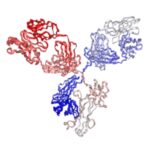
$150.00 – $900.00
Recombinant Mouse IgG2a isotype controls are available. Condition of sample preparation and optimal sample dilution should be determined experimentally by the investigator.
- Details & Specifications
- References
| Catalog No. | PA007461 |
|---|---|
| Product Name | In vivo Grade Recombinant Anti-Human HLA-ABC Monoclonal Antibody, Mouse IgG2a Kappa (Clone: W6/32) |
| Data Sheet | 📄 Download Product Data Sheet (PDF) |
| Supplier Name | Syd Labs, Inc. |
| Brand Name | Syd Labs |
| Synonyms | Major Histocompatibility Class I, MHC class I, human leukocyte antigen (HLA), HLA class I histocompatibility antigen |
| Clone | W6/32. |
| Isotype | Mouse IgG2a Kappa. |
| Specificity/Sensitivity | The in vivo grade recombinant mouse monoclonal antibody (clone: W6/32) specifically binds to mouse HLA-ABC. |
| Applications | ELISA, flow cytometry, neutralization, functional assays such as bioanalytical PK and ADA assays, and those assays for studying biological pathways affected by the mouse HLA-ABC protein. |
| Form Of Antibody | 0.2 μM filtered solution of 1x PBS. |
| Endotoxin | Less than 1 EU/mg of protein as determined by LAL method. |
| Purity | >95% by SDS-PAGE under reducing conditions. |
| Shipping | The in vivo grade recombinant anti-human HLA-ABC antibodies (clone of W6/32) are shipped with ice pack. Upon receipt, store it immediately at the temperature recommended below. |
| Stability & Storage | Use a manual defrost freezer and avoid repeated freeze-thaw cycles. 12 months from date of receipt, -20 to -70°C as supplied. 1 month from date of receipt, 2 to 8°C as supplied. |
| Note | Recombinant Mouse IgG2a isotype controls are available. Condition of sample preparation and optimal sample dilution should be determined experimentally by the investigator. |
| Order Offline | Phone: 1-617-401-8149 Fax: 1-617-606-5022 Email: message@sydlabs.com Or leave a message with a formal purchase order (PO) Or credit card. |
Description
PA007461: Recombinant Anti-Human HLA-ABC Monoclonal Antibody (Clone: W6/32), Mouse IgG2a Kappa, In vivo Grade
The in vivo grade recombinant anti-human HLA-ABC Mouse IgG2a Kappa monoclonal antibody was produced in mammalian cells. The anti-human HLA-ABC antibody is a monoclonal or polyclonal antibody that targets conserved, non-polymorphic epitopes shared across human Major Histocompatibility Complex (MHC) Class I molecules (HLA-A, HLA-B, and HLA-C), which are expressed on the surface of nearly all nucleated cells. This antibody recognizes common regions of the HLA-ABC complex and is widely employed in immunological research for techniques such as flow cytometry, Western blotting, and immunohistochemistry to detect cell surface markers, investigate immune responses, and study transplantation-related mechanisms. HLA-ABC proteins play a critical role in immune surveillance and cell recognition, and the anti-human HLA-ABC antibody—particularly well-established clones like W6/32—has become a reliable and broadly used tool in the field due to its pan-specific reactivi
References of Anti-Human HLA-ABC Monoclonal Antibody (Clone: W6/32)
1. HLA class I antibodies trigger increased adherence of monocytes to endothelial cells by eliciting an increase in endothelial P-selectin and, depending on subclass, by engaging FcγRs.
Valenzuela, N. M., et al. J Immunol. 2013 Jun 15;190(12):6635-50. doi: 10.4049/jimmunol.1201434. PMID: 23690477
“Ab-mediated rejection (AMR) of solid organ transplants is characterized by intragraft macrophages. …It is incompletely understood how donor-specific Ab binding to graft endothelium promotes monocyte adhesion, and what, if any, contribution is made by the Fc region of the Ab. …We investigated the mechanisms underlying monocyte recruitment by HLA class I (HLA I) Ab-activated endothelium. …Both anti-HLA I murine (m)IgG1 and mIgG2a induced endothelial P-selectin, which was required for monocyte adhesion to endothelium irrespective of subclass. …mIgG2a but not mIgG1 could bind human FcγRs. Accordingly, HLA I mIgG2a but not mIgG1 treatment of endothelial cells significantly augmented recruitment, predominantly through FcγRI, and, to a lesser extent, FcγRIIa. Moreover, HLA I mIgG2a promoted firm adhesion of monocytes to ICAM-1 through Mac-1, which may explain the prominence of monocytes during AMR.”
2. Blockade of p-selectin is sufficient to reduce MHC I antibody-elicited monocyte recruitment in vitro and in vivo.
Valenzuela, N. M., et al. Am J Transplant. 2013 Feb;13(2):299-311. doi: 10.1111/ajt.12016. PMID: 23279566
“We also determined that [Ca2+]i signaling downstream of HLA I ligation is necessary for exocytosis, consistent with previous studies. …Given the Ca2+ dependence of exocytosis, we postulated that HLA I crosslinking elicited an increase in [Ca2+]i in the endothelial cell. …Herein, we describe HLA I antibody-elicited recruitment of monocytic cells in vitro, which could be blocked by several strategies of P-selectin antagonism. …We did not observe an increase in E-selectin expression induced by HLA I crosslinking in vitro, but E-selectin may be involved in vivo. …Our results suggest that concurrent therapies may be required to inhibit the multiple mechanisms of HLA antibody-mediated graft injury.”
Related Recombinant IgG Reference Antibodies:
Recombinant mouse IgG2a isotype control antibody, In vivo grade
Anti-human HLA-ABC (W6/32) from: Anti-Human HLA-ABC Monoclonal Antibody, Mouse IgG2a Kappa (Clone: W6/32): PA007461 Syd Labs

