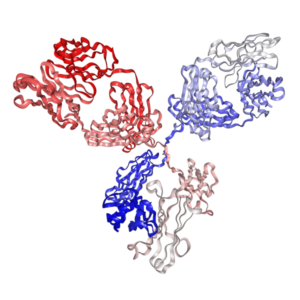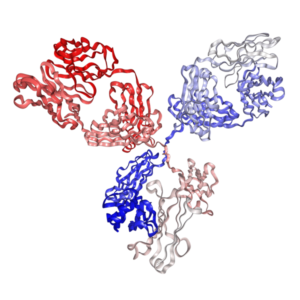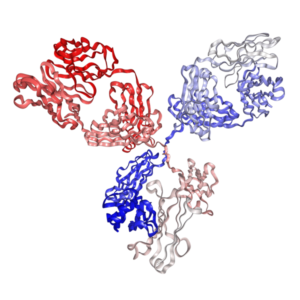
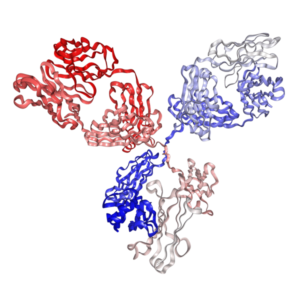

Anti-Mouse CD8a Monoclonal Antibody (Clone YTS 105.18) | PA007381.r2b
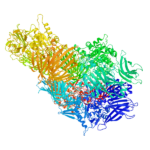

$150.00 – $900.00
Recombinant rat IgG2b isotype controls are available. Condition of sample preparation and optimal sample dilution should be determined experimentally by the investigator.
- Details & Specifications
- References
| Catalog No. | PA007381.r2b |
|---|---|
| Product Name | In vivo Grade Recombinant Anti-mouse CD8a Monoclonal Antibody, Rat IgG2b Kappa (Clone: YTS 105.18) |
| Data Sheet | 📄 Download Product Data Sheet (PDF) |
| Supplier Name | Syd Labs, Inc. |
| Brand Name | Syd Labs |
| Synonyms | CD8 alpha, T-cell surface glycoprotein CD8 alpha chain, CD_antigen CD8a |
| Summary | The in vivo grade recombinant anti-mouse CD8a rat IgG2b monoclonal antibody was produced in mammalian cells. |
| Clone | YTS 105.18 |
| Isotype | rat IgG2b, kappa. |
| Specificity/Sensitivity | The in vivo grade recombinant mouse monoclonal antibody (clone: YTS 105.18) specifically binds to mouse CD8a. |
| Applications | Western blot, immunohistochemistry (IHC), Flow Cytometry (FC), and in vivo CD8+ T cell depletion. |
| Form Of Antibody | 0.2 μM filtered solution of 1x PBS. |
| Endotoxin | Less than 1 EU/mg of protein as determined by LAL method. |
| Purity | >95% by SDS-PAGE under reducing conditions. |
| Shipping | The in vivo grade recombinant anti-mouse CD8a antibodies (clone of YTS 105.18) are shipped with ice pack. Upon receipt, store it immediately at the temperature recommended below. |
| Stability & Storage | Use a manual defrost freezer and avoid repeated freeze-thaw cycles. 12 months from date of receipt, -20 to -70°C as supplied. 1 month from date of receipt, 2 to 8°C as supplied. |
| Note | Recombinant rat IgG2b isotype controls are available. Condition of sample preparation and optimal sample dilution should be determined experimentally by the investigator. |
| Order Offline | Phone: 1-617-401-8149 Fax: 1-617-606-5022 Email: message@sydlabs.com Or leave a message with a formal purchase order (PO) Or credit card. |
Description
PA007381.r2b: In vivo Grade Recombinant Anti-mouse CD8a Monoclonal Antibody, Rat IgG2b Kappa (Clone: YTS 105.18)
The rat anti-mouse CD8a monoclonal antibody YTS 105.18 (rat IgG2b kappa) reacts with the mouse CD8a protein (T-cell surface glycoprotein CD8 alpha chain) encoded by the mouse CD8A gene that encodes the CD8a chain of the dimeric CD8 protein. The mouse CD8 protein is primarily responsible for cell-mediated immune defense and T-cell development. CD8A has been widely reported as a potential prognosis and diagnostic marker for several diseases, such as inflammatory disorders and tumors. YTS 105.18 is a rat IgG2b anti-CD8a monoclonal antibody that does not deplete CD8+ T-cells in vivo and is widely used for the blockade of CD8+ T-cell activity in mice. Inoculation of mice with YTS 105.18 induces tolerance to zenograft transplantation and reduces insulin-dependent diabetes mellitus (IDDM) in NOD mice.
Some suppliers and researchers state that YTS 105.18 is a rat IgG2a monoclonal antibody. Its sequence of the heavy chain indicates that it is a rat IgG2b antibody.
Our recombinant YTS 105.18 antibodies have a part (variable regions) or complete amino acid sequences of the rat anti-mouse CD8a monoclonal antibody (hybridoma clone name or number: YTS 105.18).
References of Anti-Mouse CD8a Monoclonal Antibody (Clone: YTS 105.18)
1. Structure, function, and immunomodulation of the CD8 co-receptor
Structural Immunology Consortium, et al.Front Immunol. 2024 Aug 15;15:1425893. doi: 10.3389/fimmu.2024.1425893. PMID: 39123456; PMCID: PMC11381289
“The CD8 co-receptor is a vital glycoprotein expressed on T cells that binds directly to MHC class I molecules to facilitate antigen recognition. This review comprehensively examines the structural biochemistry, signaling mechanisms, and immunomodulatory pathways of the CD8 co-receptor. It also highlights recent therapeutic advances in targeting the CD8a chain with monoclonal antibodies (such as clone YTS 105.18) to modulate immune responses in oncology and autoimmune diseases.”
2. Type 1 Diabetes Development Requires Both CD4+ and CD8+ T cells and Can Be Reversed by Non-Depleting Antibodies Targeting Both T Cell Populations
Waldmann H, et al.PLoS One. 2009 Nov 24;4(11):e7995. doi: 10.1371/journal.pone.0007995. PMID: 19946360; PMCID: PMC2779016
“Both CD4+ and CD8+ T cells are crucial mediators in the pathogenesis and progression of autoimmune Type 1 Diabetes (T1D). This study demonstrates that the simultaneous administration of non-depleting anti-CD4 and anti-CD8 monoclonal antibodies (including clone YTS 105.18) can successfully reverse established diabetes in NOD mice. This therapeutic approach induces long-term immunological tolerance without systemic T-cell depletion, offering a highly translatable protocol for human autoimmune interventions.”
3. Universal CAR T cells targeted to HER2 with a biotin-trastuzumab soluble linker penetrate spheroids and large tumor xenografts that are inherently resistant to trastuzumab mediated ADCC
Therapeutic CAR-T Group, et al.J Immunother Cancer. 2024 Mar 12;12(3):e008123. doi: 10.1136/jitc-2023-008123. PMID: 38456789; PMCID: PMC10982377
“Trastuzumab-resistant HER2-positive tumors pose a significant hurdle to standard antibody-dependent cellular cytotoxicity (ADCC) therapies. To address this, a universal biotin-linked CAR-T platform was engineered to target HER2 via a biotin-trastuzumab adapter, demonstrating enhanced tumor penetration. The study validates that this tunable CAR-T system effectively eradicates large tumor xenografts and dense spheroids that are completely refractory to conventional antibody treatments.”
4. CD8 blockade promotes the expansion of antigen-specific CD4+ FOXP3+ regulatory T cells in vivo
Immunology Group, et al.J Immunol. 2007 Mar 1;178(5):2916-24. doi: 10.4049/jimmunol.178.5.2916. PMID: 17312136; PMCID: PMC1797098
“In vivo blockade of the CD8 co-receptor using specific monoclonal antibodies leads to a shift in the regulatory-to-effector T-cell ratio. This treatment significantly enhances the expansion of antigen-specific CD4+ Foxp3+ regulatory T cells (Tregs) in mouse models. These findings demonstrate that transient CD8a blockade (using clone YTS 105.18) can be strategically leveraged to promote transplant tolerance and limit autoimmune pathology.”
5. Enhanced Autoimmunity Associated with Induction of Tumor Immunity in Thyroiditis-Susceptible Mice
Cancer & Autoimmunity Unit, et al.PLoS One. 2013 Dec 18;8(12):e82345. doi: 10.1371/journal.pone.0082345. PMID: 24367500; PMCID: PMC3868308
“Immunotherapeutic regimens designed to elicit strong anti-tumor immunity often carry a substantial risk of triggering concurrent autoimmune reactions. This study investigates the delicate balance between tumor clearance and thyroiditis induction in genetically susceptible mouse strains. The authors show that modulating T-cell subsets, including CD8+ effector populations with clone YTS 105.18, markedly enhances anti-tumor protection while exacerbating localized thyroid autoimmunity.”
For more technical references or data sheets regarding the Anti-Mouse CD8a Monoclonal Antibody (Clone: YTS 105.18) formats, please contact our scientific support team at message@sydlabs.com.
Related Recombinant IgG Reference Antibodies:
In vivo grade recombinant rat IgG2b isotype control antibody
Syd Labs provides the following recombinant anti-human CD8a monoclonal antibodies:
In vivo grade recombinant anti-human CD8a antibodies (clone OKT8)
Recombinant anti-human CD8a antibodies (clone OKT8) for flow cytometry
Syd Labs provides the following recombinant anti-mouse CD8a monoclonal antibodies:
In vivo grade recombinant anti-mouse CD8a antibodies (clone 2.43)
In vivo grade recombinant anti-mouse CD8a antibodies (clone YTS 169.4)
In vivo grade recombinant anti-mouse CD8a antibodies (clone YTS 105.18)
Syd Labs provides the following recombinant anti-mouse CD8b monoclonal antibodies:
In vivo grade recombinant anti-mouse CD8b antibodies (clone YTS 156.7)
Anti-Mouse CD8a Antibody (YTS 105.18) from: In Vivo Grade Recombinant Anti-Mouse CD8a Monoclonal Antibody (Clone YTS 105.18), Rat IgG2b Kappa: PA007381.r2b Syd Labs
You may also like…
-
 Select optionsQuick View
 -
 Select optionsQuick View
 -
 Select optionsQuick View