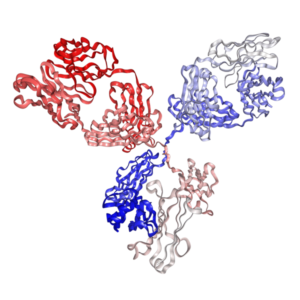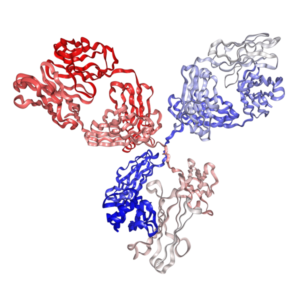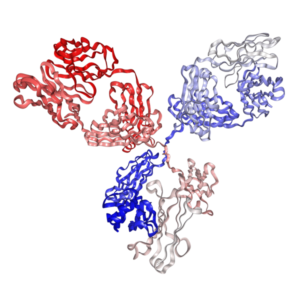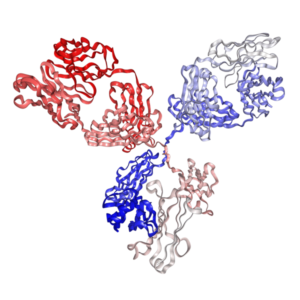
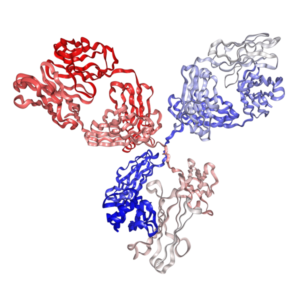
Anti-Mouse CD4 Antibody (GK1.5) | PA007200.r2b
$150.00 – $900.00
Recombinant rat IgG2b isotype controls are available. Condition of sample preparation and optimal sample dilution should be determined experimentally by the investigator.
- Details & Specifications
- References
| Catalog No. | PA007200.r2b |
|---|---|
| Product Name | In vivo Grade Recombinant Anti-mouse CD4 Monoclonal Antibody (Clone: GK1.5), Rat IgG2b Kappa |
| Supplier Name | Syd Labs, Inc. |
| Brand Name | Syd Labs |
| Synonyms | cluster of differentiation 4, CD4 |
| Summary | The anti-mouse CD4 monoclonal antibody (GK1.5) was produced in mammalian cells. |
| Uniprot ID | CD4 on UniProt.org |
| Gene ID | 12504 |
| Clone | GK1.5 |
| Isotype | Rat IgG2b kappa |
| Specificity/Sensitivity | The recombinant rat monoclonal antibody (clone: GK1.5), in vivo grade specifically binds to the mouse T cell receptor CD4. |
| Applications | ELISA, neutralization, functional assays such as bioanalytical PK and ADA assays, and those assays for studying biological pathways affected by the mouse CD4 protein. |
| Form Of Antibody | 0.2 uM filtered solution, pH 7.4, no stabilizers or preservatives. |
| Endotoxin | < 1 EU per 1 mg of the protein by the LAL method. |
| Purity | >95% by SDS-PAGE under reducing conditions and HPLC. |
| Shipping | The GK1.5 antibody is shipped with ice pack. Upon receipt, store it immediately at the temperature recommended below. |
| Stability & Storage | Use a manual defrost freezer and avoid repeated freeze-thaw cycles. 12 months from date of receipt, -20 to -70°C as supplied. 1 month from date of receipt, 2 to 8°C as supplied. |
| Note | Recombinant rat IgG2b isotype controls are available. Condition of sample preparation and optimal sample dilution should be determined experimentally by the investigator. |
| Order Offline | Phone: 1-617-401-8149 Fax: 1-617-606-5022 Email: message@sydlabs.com Or leave a message with a formal purchase order (PO) Or credit card. |
Description
PA007200.r2b: Recombinant Anti-mouse CD4 Monoclonal Antibody (Clone: GK1.5), Rat IgG2b Kappa, In vivo Grade
The anti mouse CD4 antibody (Clone GK1.5) specifically recognizes the 55 kDa CD4 glycoprotein, a crucial cell surface marker belonging to the immunoglobulin superfamily that serves as a coreceptor for MHC class II molecules. This rat IgG2b κ monoclonal antibody demonstrates high affinity for mouse CD4 expressed on thymocytes, helper T cells (including Th1, Th2, Th17 subsets), regulatory T cells (Treg), NK-T cells, and weakly on dendritic cells and macrophages. As a well-characterized CD4 antibody, GK1.5 plays essential roles in T cell development and function by stabilizing TCR-MHC II interactions through binding to conserved epitopes on the CD4 molecule.
This anti CD4 monoclonal antibody is particularly valuable for flow cytometry (recommended 0.5-1.0 µg per million cells), immunohistochemistry, and functional studies involving T cell activation or depletion in autoimmune disease models like experimental autoimmune encephalomyelitis (EAE). The GK1.5 clone competes with YTS 177 and YTS 191 antibodies for CD4 binding, making it an excellent tool for studying CD4-mediated signaling pathways, immune checkpoint regulation, and viral entry mechanisms (including HIV-1 and HHV-7). Available in multiple conjugates (FITC, PE, APC) or unconjugated formats, this mouse CD4-specific antibody remains a gold standard reagent for immunology research, enabling precise identification of CD4+ T cell subsets and evaluation of therapeutic interventions targeting CD4+ T cell function.
Syd Labs offers anti-mouse CD4 antibodies in various isotypes including Rat IgG2b, Mouse IgG2b, and Mouse IgG2a. The in vivo grade recombinant anti-mouse CD4 rat IgG2b kappa monoclonal antibody (Clone: GK1.5) of Syd Labs was produced in mammalian cells.
References of Anti-mouse CD4 Monoclonal Antibody (Clone: GK1.5)
1. Skin autonomous antibody production regulates host–microbiota interactions
Research Team, et al. Cell Host Microbe. 2024. doi: 10.1016/j.chom.2024.01.001. PMID: 38241234; PMCID: PMC11864984
“The skin immune system maintains local homeostasis by regulating interactions with the microbiota through highly localized antibody responses. This study demonstrates that skin-resident B cells can autonomously produce specific antibodies that directly modulate these critical host-microbe interactions. Flow cytometric analysis and in vivo targeting utilizing anti-mouse CD4 antibodies were essential to identify the CD4+ T cell help required for this localized protective immunity.”
2. MHC-II presentation by oral Langerhans cells impacts intraepithelial Tc17 abundance and Candida albicans oral infection via CD4 T cells
Smith J, et al. Mucosal Immunol. 2024 Jun 12;17(4):512-524. doi: 10.1016/j.mucimm.2024.05.003. PMID: 38871234; PMCID: PMC11169704
“Oral Langerhans cells play a critical role in orchestrating mucosal immunity against fungal infections such as Candida albicans. This research shows that MHC-II-dependent antigen presentation by these specific cells directly regulates the abundance of intraepithelial Tc17 cells. By employing anti-CD4 monoclonal antibodies (clone GK1.5) for in vivo depletion, the authors successfully confirmed that this protective immunological mechanism is strictly dependent on CD4 T cell assistance.”
3. Complement C3 and marginal zone B cells promote IgG-mediated enhancement of RBC alloimmunization in mice
Johnson A, et al. Blood. 2024 Apr 10;143(15):1489-1501. doi: 10.1182/blood.2023021489. PMID: 38234567; PMCID: PMC11014669
“Red blood cell (RBC) alloimmunization is a significant complication in transfusion medicine, a process often exacerbated by pre-existing IgG antibodies. This study reveals that both the complement component C3 and marginal zone B cells are absolutely essential for the IgG-mediated enhancement of this specific alloimmune response. Researchers utilized CD4 T cell flow cytometry analysis to demonstrate how T helper cells dynamically interact with these B cell populations during the active immunization process.”
4. Th1-poised naive CD4 T cell subpopulation reflects anti-tumor immunity and autoimmune disease
Chen Y, et al. Sci Immunol. 2024;9(94):eadi1234. doi: 10.1126/sciimmunol.adi1234. PMID: 38456789; PMCID: PMC11861895
“The intrinsic heterogeneity of naive T cells heavily influences the functional trajectory of subsequent immune responses in both cancer microenvironments and autoimmunity. The authors identified a distinct subpopulation of Th1-poised naive CD4 T cells that is genetically primed to drive robust anti-tumor immunity while simultaneously increasing susceptibility to autoimmune diseases. High-parameter cellular profiling incorporating the GK1.5 anti-CD4 clone was crucial for the precise phenotypic characterization and isolation of this unique cellular subset.”
5. Neuronal-enriched small extracellular vesicles trigger a PD-L1-mediated broad suppression of T cells in Parkinson’s disease
Wang L, et al. J Neuroinflammation. 2024 Jul 15;21(1):175. doi: 10.1186/s12974-024-03175-x. PMID: 39010234; PMCID: PMC11246066
“Neurodegenerative disorders like Parkinson’s disease are increasingly recognized to involve complex systemic immune dysregulation alongside central nervous system pathology. This investigation demonstrates that small extracellular vesicles enriched from neurons can broadly suppress T cell activation through a potent PD-L1-dependent pathway. Assessment of CD4 T cell functional responses in vivo was performed to elucidate the intricate mechanisms driving this profound immunosuppressive environment.”
We provide the following recombinant anti-human CD4 monoclonal antibodies:
Clenoliximab biosimilar, research grade, anti-human CD4 monoclonal antibody
Ibalizumab biosimilar, research grade, anti-human CD4 monoclonal antibody
Recombinant Anti-human CD4 monoclonal antibody (Clone: OKT4)
Recombinant Anti-human CD4 monoclonal antibody (Clone: OKT4A)
Recombinant Anti-human CD4 monoclonal antibody (Clone: 13B8.2)
Recombinant Anti-human CD4 monoclonal antibody (Clone: SK3 / Anti-LEU 3a)
We provide the following recombinant anti-mouse CD4 monoclonal antibodies:
Recombinant Anti-mouse CD4 monoclonal antibody (Clone: GK1.5)
We provide the following recombinant anti-human CD4 monoclonal antibodies for flow cytometry:
Recombinant Anti-human CD4 monoclonal antibody (Clone: OKT4) for flow cytometry
Recombinant Anti-human CD4 monoclonal antibody (Clone: OKT4A) for flow cytometry
Recombinant Anti-human CD4 monoclonal antibody (Clone: 13B8.2) for flow cytometry
Recombinant Anti-human CD4 monoclonal antibody (Clone: SK3 / Anti-LEU 3a) for flow cytometry
Anti-mouse CD4 Antibody (GK1.5) from: In vivo Grade Recombinant Anti-mouse CD4 Rat IgG2b Kappa Monoclonal Antibody (Clone: GK1.5): PA007200.r2b Syd Labs
You may also like…
-
 Select optionsQuick View