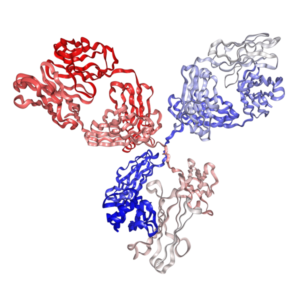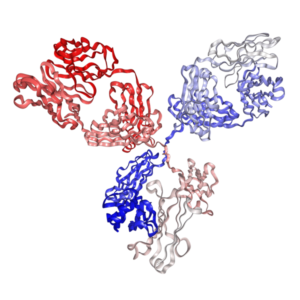


Anti-human CD4 Antibody, Clone OKT4 | PA007384.m2b

$150.00 – $900.00
Recombinant mouse IgG2b isotype controls are available. Condition of sample preparation and optimal sample dilution should be determined experimentally by the investigator.
- Details & Specifications
- References
| Catalog No. | PA007384.m2b |
|---|---|
| Product Name | In vivo Grade Recombinant Anti-human CD4 Monoclonal Antibody (Clone: OKT4), Mouse IgG2b Kappa |
| Data Sheet | 📄 Download Product Data Sheet (PDF) |
| Supplier Name | Syd Labs, Inc. |
| Brand Name | Syd Labs |
| Synonyms | cluster of differentiation 4, leu-3, T4 |
| Clone | OKT4. |
| Isotype | Mouse IgG2b kappa. |
| Source/Host | The anti-human CD4 monoclonal antibody (clone: OKT4) was produced in mammalian cells. |
| Specificity/Sensitivity | The in vivo grade recombinant mouse monoclonal antibody (clone: OKT4) specifically binds to human CD4. |
| Applications | ELISA, flow cytometry, neutralization, functional assays such as bioanalytical PK and ADA assays, and those assays for studying biological pathways affected by the human CD4 protein. |
| Form Of Antibody | 0.2 uM filtered solution, pH 7.4, no stabilizers or preservatives. |
| Endotoxin | < 1 EU per 1 mg of the protein by the LAL method. |
| Purity | >95% by SDS-PAGE under reducing conditions. |
| Shipping | The In vivo Grade Recombinant Anti-human CD4 Monoclonal Antibody (Clone: OKT4), Mouse IgG2b Kappa is shipped with ice pack. Upon receipt, store it immediately at the temperature recommended below. |
| Stability & Storage | Use a manual defrost freezer and avoid repeated freeze-thaw cycles. 12 months from date of receipt, -20 to -70°C as supplied. 1 month from date of receipt, 2 to 8°C as supplied. |
| Note | Recombinant mouse IgG2b isotype controls and Recombinant human IgG1 isotype controls are available. Condition of sample preparation and optimal sample dilution should be determined experimentally by the investigator. |
| Order Offline | Phone: 1-617-401-8149 Fax: 1-617-606-5022 Email: message@sydlabs.com Or leave a message with a formal purchase order (PO) Or credit card. |
Description
PA007384.m2b: Recombinant Anti-human CD4 Monoclonal Antibody(Clone: OKT4), Mouse IgG2b Kappa, In vivo Grade
Background of Anti-human CD4 Monoclonal Antibody(Clone: OKT4)
The recombinant OKT4 antibody binds to the human CD4 protein (cluster of differentiation 4), a glycoprotein and the co-receptor for the T-cell receptor (TCR). The CD4 protein is expressed on the surface of immune cells such as helper T cells, monocytes, macrophages, and dendritic cells.
References of Anti-Human CD4 Monoclonal Antibody (Clone: OKT4)
1. Administration of prednisolone in vivo affects the ratio of OKT4/OKT8 and the LDH-isoenzyme pattern of human T lymphocytes
Tenbergen, F., et al. Clin Immunol Immunopathol. 1984 Feb;30(2):191-202. doi: 10.1016/0090-1229(84)90010-2. PMID: 6607798
“The OKT4 antibody (anti-human CD4) was used to assess T lymphocyte subsets in healthy volunteers treated with prednisolone (10, 30, or 60 mg). Prednisolone induced T lymphocytopenia, preferentially affecting OKT4+ cells, leading to a decreased OKT4/OKT8 ratio and altered lactate dehydrogenase isoenzyme patterns, with effects varying by dose and time post-administration.”
2. In vivo activated cytotoxic T cells in the thyroid infiltrate of patients with Hashimoto’s thyroiditis
Del Prete, G. F., et al. Clin Exp Immunol. 1986 Jul;65(1):140-7. PMID: 3024884
“The OKT4 antibody (anti-human CD4) was used with complement for negative selection to enrich T8+ cells in thyroid-infiltrating lymphocytes from Hashimoto’s thyroiditis patients. High T8+ cell proportions with an inverted T4/T8 ratio were observed, and OKT4 helped confirm low CD4+ cell presence in TAC+ T cell populations.”
3. Human CD4 modulation in vivo induced by antibody treatment
Horneff, G., et al. Clin Immunol Immunopathol. 1993 Jan;66(1):80-90. doi: 10.1006/clin.1993.1011. PMID: 8440076
“The OKT4 antibody (anti-human CD4) was used to monitor CD4 modulation in vivo after anti-CD4 antibody (MAX.16H5) treatment. CD4 antigen density was reduced to 30% within 1 hour and remained down-modulated for up to 28 days, with depletion of CD4+ cells observed in both responders and non-responders to therapy.”
4. Dramatic rise in plasma viremia after CD8(+) T cell depletion in simian immunodeficiency virus-infected macaques
Jin, X., et al. J Exp Med. 1999 Mar 15;189(6):991-1000. doi: 10.1084/jem.189.6.991. PMID: 10075982
“The OKT8F antibody (anti-human CD8) was used to deplete CD8+ cells in SIV-infected macaques, resulting in a 99.9% reduction in peripheral blood CD8 cells and a 70-fold increase in plasma viremia. The OKT4 antibody (anti-human CD4) was used to assess the resting CD4+ T cell pool, revealing increased productively infected cells.”
5. Human in vivo antigenic modulation induced by the anti-T cell OKT3 monoclonal antibody
Rijlaarsdam, J. U., et al. Eur J Immunol. 1982 Nov;12(11):979-82. doi: 10.1002/eji.1830121116. PMID: 6759145
“The OKT4 antibody (anti-human CD4) was used to confirm stable CD4 expression on T cells during OKT3 treatment, which rapidly modulated the OKT3 epitope within 30 minutes via internalization. OKT4 and OKT8 epitopes remained unaffected, with OKT4 aiding in monitoring T-cell populations during transient lymphocytopenia.”
You may also like…
-
 Select optionsQuick View
-
 Select optionsQuick View
-
 Select optionsQuick View
-
 Select optionsQuick View