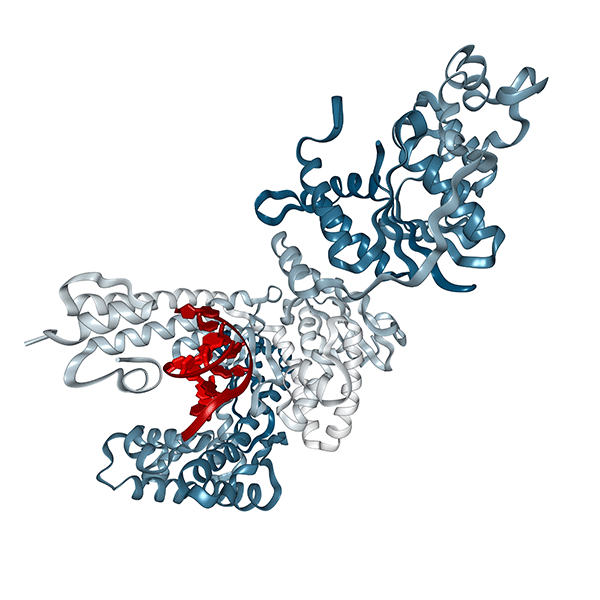

Rat IgG2b Isotype Control Antibody (Clone: 12B9) | PA007144.05


$525.00 – $1,350.00
Recombinant rat IgG2b kappa isotype control and Fc effector silent rat IgG2b kappa isotype control good for in vitro and in vivo studies. Low or no specific binding to mouse samples tested. Mouse variable regions and rat IgG2b kappa constant regions.
- Details & Specifications
- References
| Catalog No. | PA007144.05 |
|---|---|
| Product Name | In Vivo Grade Recombinant Rat IgG2b Isotype Control Antibody, Endotoxin 0.05 EU/mg |
| Supplier Name | Syd Labs, Inc. |
| Brand Name | Syd Labs |
| Synonyms | Recombinant Rat IgG2b Isotype Control, Rat IgG2b Negative Control Antibody, rtIgG2b Isotype Control |
| Summary | The In Vivo Grade Recombinant Rat IgG2b Isotype Control Antibody, Endotoxin 0.05 EU/mg was produced in mammalian cells. |
| Isotype | rat IgG2b, kappa |
| Applications | an isotype-matched negative control for rat IgG2b kappa antibodies used in ELISA, Western Blot (WB), Flow Cytometry (Flow), Immunoprecipitation (IP), Immunohistochemistry (Paraffin) (IHC (P)), Immunohistochemistry (Frozen) (IHC (F)), and in vivo animal model research. |
| Immunogen | N/A. |
| Form Of Antibody | 0.2 μM filtered solution of 1x PBS. |
| Endotoxin | < 0.05 EU per 1 mg of protein as determined by LAL method. |
| Purity | >95% by SDS-PAGE under reducing conditions. |
| Order Offline | Phone: 1-617-401-8149 Fax: 1-617-606-5022 Email: message@sydlabs.com Or leave a message with a formal purchase order (PO) Or credit card. |
Description
PA007144.05: Recombinant Rat IgG2b Isotype Control Antibody (Clone: 12B9), In Vivo Grade
Rat IgG2b isotype control and mutants (natural and engineered rtIgG2b isotype controls) are useful for functional study using animal model among a number of in vitro and in vivo research applications. Rat IgG2b antibodies are more like mouse IgG2a and IgG2b, and human IgG1 antibodies, which are mostly used by the therapeutic antibody drugs. Most of rat antibodies are used to study mouse target proteins.
There are more and more IgG antibody formats with Fc engineered. The format with the Fc silenced, Fc silent, or Fcs with silenced effector function is the most popular. We provide Fc effector-silent rat IgG2b isotype controls.
Please contact us to ask for a quote for the engineered rat IgG2b isotype control mutants, rtIgG2b isotype control and mutants with Avi-, His-, and Flag-tags, and biotinylated rtIgG2b isotype control and mutants. A variety of conjugates (such as dyes and fluorophores) with the rat IgG2b isotype control and Fc mutants are available.
Background
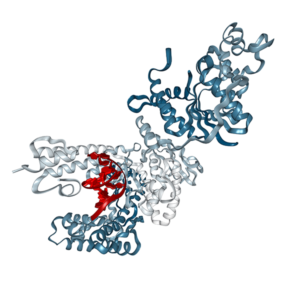
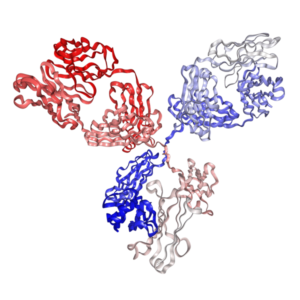
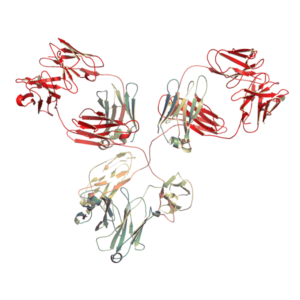
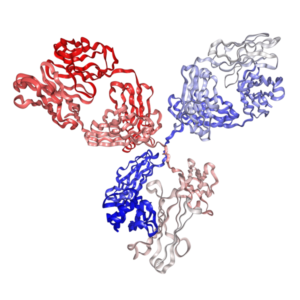
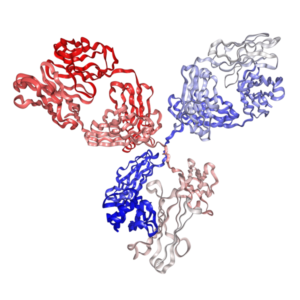
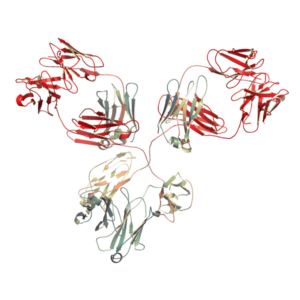
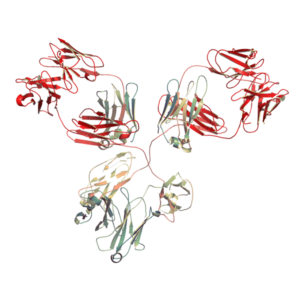
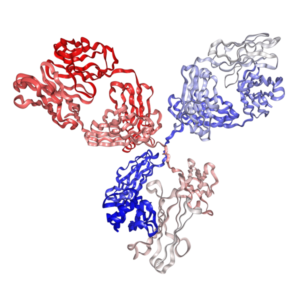
Rat IgG antibodies are classified to four subclasses mainly based on the isotype of the heavy chain (IgG1, IgG2a, IgG2b, and IgG2c for the heavy chain; kappa and lamda for the light chain), of which IgG1 and kappa are the most abundantnamed in serum. IgG antibodies are large molecules of about 150 kDa composed of four peptide chains, two identical heavy chains of about 50 kDa and two identical light chains of about 25 kDa. The four peptides are arranged in a Y-shape tetramer by disulfide bonds formed between the two heavy chains and between a heavy chain and a light chain.
The in vivo grade recombinant rat IgG2b isotype control antibody (rtIgG2b isotype control) was produced in mammalian cells.
References of Rat IgG2b Isotype Control Antibody
1. Neutral ceramidase regulates breast cancer progression by metabolic programming of TREM2-associated macrophages.
Sun, R., et al. Nat Commun. 2024 Feb 1;15(1):966. PMID: 38302493
“For the purpose of CD8+ depletion, C57BL/6J mice were injected with 200 µg/mouse of a rat anti-CD8 antibody or rat IgG2b anti-KLH isotype control diluted in sterile PBS, 24 h before tumor injection and every 4 days after tumor injection. …BMDMs were generated in the presence of M-CSF or L-929 conditional medium and pretreated with IL-4, TCM, etomoxir, orlistat, T863 or ceramide before BMDMs were cocultured with CD8+ T cells. …For IMC, after the final DPBS wash, slides were incubated with 1:500 Cell-ID Intercalator-Ir (Fluidigm) in DPBS for 10 min and rinsed with MilliQ water before air-drying overnight. …The quantity of IL-1β, TNF-α, IL-22, and IFN-γ was determined in culture supernatants, serum and tissue using ELISA kits according to the manufacturer’s instructions. …BMDMs were disrupted in RIPA lysis buffer with protease and phosphatase inhibitors (Roche) for 30 min on ice.”
2. Pharmaceutical targeting of OTUB2 sensitizes tumors to cytotoxic T cells via degradation of PD-L1.
Ren, W., et al. Nat Commun. 2024 Jan 2;15(1):9. PMID: 38167274
“To deplete CD8+ T cells, 200 µg of InVivoMAb anti-mouse CD8α or InVivoMAb rat IgG2b (LTF-2, Bio X Cell, BE0090) was intraperitoneally injected 2 days before tumor cell injection, and this treatment was continued every four days until the end of the experiment. …To evaluate the efficacy of inhibitors, OTUB2-IN-1 was intraperitoneally injected 6 days after tumor cell injection, and this treatment was continued daily for five days. …To analyze the deubiquitination of PD-L1 in vitro, 293T cells were cotransfected with HA-Ub and Flag-tagged PD-L1. …To analyze the deubiquitination of PD-L1 in vivo, vector control and OTUB2-KO 293T cells were individually cotransfected with HA-Ub and PD-L1-Flag or OTUB2 expression vectors. …Cleavage assays with ubiquitin-R110, a C-terminal derivatization of ubiquitin with R110, were performed essentially as previously described.”
3. Interplay between ATRX and IDH1 mutations governs innate immune responses in diffuse gliomas.
Hariharan, S. I., et al. Nat Commun. 2024 Jan 25;15(1):730. PMID: 38272925
“For CD4+ and CD8+ T-cell depletion experiments, C57BL/6 mice (n = 10 mice per group) received 250 μg per dose of rat IgG2B isotype control, anti-mouse CD4 antibody or anti-mouse CD8 antibody intraperitoneally 4 days prior to implant. …All animal study protocols were approved by and performed in accordance with protocols approved by the MD Anderson Cancer Center (MDACC) Institutional Animal Care and Use Committees. …Images were captured using a Biorad Chemidoc MP imaging system and analyzed using ImageLab 6.1 software. …D-2-HG and Diacetyl-L-tartaric anhydride (DATAN) were from Sigma. …A set of calibrator samples in fresh media or PBS was prepared by adding appropriate amounts of pure D-2-HG in 0.0322 − 100 μg/mL range.”
4. A PD-1-targeted, receptor-masked IL-2 immunocytokine that engages IL-2Rα strengthens T cell-mediated anti-tumor therapies.
Wu, J., et al. Cell Rep Med. 2024 Oct 15;5(10):101747. PMID: 39326410
“For immune cell depletion studies, mAbs used were as follows: mouse IgG2a isotype control (300μg) clone C1.18.4, rat IgG2b isotype control (500μg), clone LFT-2, anti-NK1.1 (300μg) clone PK136, anti-CD4 (500μg) clone GK1.5, anti-CD8 (300μg) clone 2.43. …Cytokines are potent, secreted proteins that can act in an autocrine and paracrine manner to shape immune responses. …Their immunomodulatory activities provide a strong rationale for exploring cytokine-based therapeutics for cancer treatment. …The heterodimeric IL-2Rβ/γ receptor binds to IL-2 with intermediate affinity and is mostly expressed on resting CD8+ T cells and natural killer (NK) cells; the heterotrimeric IL-2Rα/β/γ receptor binds to IL-2 with high affinity and is primarily expressed on regulatory T cells (Tregs) and activated T cells. …An alternative approach to improve efficacy and circumvent the systemic toxicity of IL-2 is to deliver IL-2 signaling specifically to T cells that are tumor reactive. One cell-surface marker upregulated on tumor-reactive T cells is the coinhibitory receptor programmed cell death protein 1 (PD-1).”
Questions and Answers:
Question: What is an isotype control antibody and why is it used?
Answer: An ideal isotype control matches the isotype of the primary antibody used in the application but lacks binding to the target. It is normally used as a negative control to differentiate any non-specific background signal from the specific antibody signal. Different from our recombinant rat IgG2b isotype control (catalog number PA007144), other rat IgG2b kappa isotype controls against KLH, TNP, DNP, GST, HEL, His-tag, DYKDDDDK, c-myc, HA, and GFP meet the requirements in some cases but do not in specific cases in the presence of the targets or cross-reactivity.
Question: What is the advantage of the recombinant antibody production method compared to the hybridoma method?
Answer: We use chemically defined medium for cell culturing to produce the recombinant antibody. There is significant advantage for the in vitro method. First, we do not use mouse ascites for antibody production. Rat hybridoma cell lines usually adapt poorly to in vitro conditions, and generate ascites in immunocompromised mice rather than rats. Second, although antibodies can be produced by cell culturing from over 90% of hybridomas, there is a finite and significant failure rate. The recombinant method can be of help. Third, some companies and scientists add FBS into hybridoma cell culturing medium, which results in antibody contamination. There is no such contamination in production of recombinant antibodies. Fourth, we can easily switch the isotype with different antibody constant regions, and generate mutations such as LALAPG which is used in therapeutic antibody research. It is better to use the same isotype control mutation.
Question: Do you use the antibody sequences of MOPC21 (hybridoma clone number, isotype: mouse IgG1, kappa) or C1.18.4 (hybridoma clone number, isotype: mouse IgG2a, kappa) to develop your recombinant rat IgG isotype controls?
Answer: Our recombinant rat IgG isotype controls including the rat IgG2b isotype control (catalog # PA007144) are not from MOPC21 nor C1.18.4 though we also produce and sell the MOPC21 and C1.18.4 rat IgG isotype controls. Please contact us and ask for MOPC21 and C1.18.4 derived recombinant rat IgG kappa isotype controls if you are interested.
Other in vivo grade Recombinant IgG Isotype Control Antibodies and Mutants:
Recombinant Human IgG1 Isotype Control Antibody and Mutants, In vivo Grade
Recombinant Human IgG2 Isotype Control Antibody, In vivo Grade
Recombinant Human IgG3 Isotype Control Antibody, In vivo Grade
Recombinant Human IgG4-S228P Isotype Control Antibody and Mutants, In vivo Grade
Recombinant Mouse IgG1 Isotype Control Antibody and Mutants, In vivo Grade
Recombinant Mouse IgG2a Isotype Control Antibody and Mutants, In vivo Grade
Recombinant Mouse IgG2b Isotype Control Antibody and Mutants, In vivo Grade
Recombinant Mouse IgG2c Isotype Control Antibody and Mutants, In vivo Grade
Recombinant Mouse IgG3 Isotype Control Antibody, In vivo Grade
Recombinant Rat IgG1 Isotype Control Antibody, In vivo Grade
Recombinant Rat IgG2b Isotype Control Antibody, In vivo Grade
Recombinant Rat IgG2c Isotype Control Antibody, In vivo Grade
Recombinant Hamster IgG1 Isotype Control Antibody, In vivo Grade
Recombinant Hamster IgG2 Isotype Control Antibody, In vivo Grade
Recombinant Rat IgG2c Isotype Control Antibody, In vivo Grade
Recombinant Hamster IgG1 Isotype Control Antibody, In vivo Grade
Recombinant Hamster IgG2 Isotype Control Antibody, In vivo Grade
In vivo Grade Recombinant IgG Fc Proteins:
Recombinant Human IgG1 Fc Protein (hIgG1), In vivo Grade
Recombinant Human IgG2 Fc Protein (hIgG2), In vivo Grade
Recombinant Human IgG4 Fc Protein (hIgG4), In vivo Grade
Recombinant Mouse IgG1 Fc Protein (mIgG1), In vivo Grade
Recombinant Mouse IgG2a Fc Protein (mIgG2a), In vivo Grade
Recombinant Mouse IgG2b Fc Protein (mIgG2b), In vivo Grade
Recombinant Rat IgG2a Fc Protein (rtIgG2a), In vivo Grade
Recombinant Rat IgG2b Fc Protein (rtIgG2b), In vivo Grade
Recombinant Llama IgG2b Fc Protein (lIgG2b), In vivo Grade
Recombinant Rabbit IgG Fc Protein (rIgG), In vivo Grade
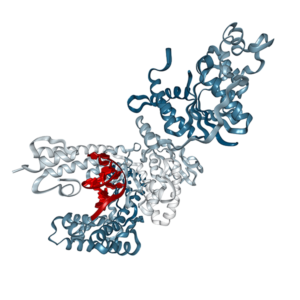
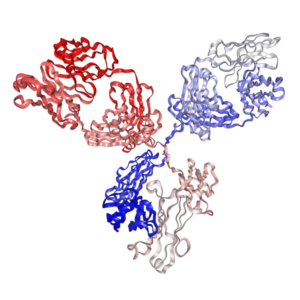
Rat IgG2b Isotype Control (12B9) from: In Vivo Grade Recombinant Rat IgG2b Isotype Control Antibody, Endotoxin 0.05 EU/mg: PA007144.05 Syd Labs
You may also like…
-
 Select optionsQuick View
 -
 Select optionsQuick View