

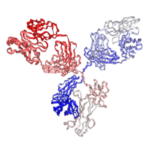
Anti-human CD4 Antibody (Clone: SK3 / Anti-Leu 3a) | PA007386.m1
$150.00 – $900.00
Recombinant mouse IgG1 isotype controls are available. Condition of sample preparation and optimal sample dilution should be determined experimentally by the investigator.

- Details & Specifications
- References
| Catalog No. | PA007386.m1 |
|---|---|
| Product Name | Anti-human CD4 Antibody (Clone: SK3 / Anti-Leu 3a) | PA007386.m1 |
| Supplier Name | Syd Labs, Inc. |
| Brand Name | Syd Labs |
| Synonyms | cluster of differentiation 4, leu-3, T4 |
| Clone | SK3 / Anti-Leu 3a. |
| Isotype | Mouse IgG1 kappa. |
| Source/Host | The anti-human CD4 monoclonal antibody (clone: SK3 / Anti-Leu 3a) was produced in mammalian cells. |
| Specificity/Sensitivity | The in vivo grade recombinant mouse monoclonal antibody (clone: SK3 / Anti-Leu 3a) specifically binds to human CD4. |
| Applications | ELISA, flow cytometry, neutralization, functional assays such as bioanalytical PK and ADA assays, and those assays for studying biological pathways affected by the human CD4 protein. |
| Form Of Antibody | 0.2 uM filtered solution, pH 7.4, no stabilizers or preservatives. |
| Endotoxin | < 1 EU per 1 mg of the protein by the LAL method. |
| Purity | >95% by SDS-PAGE under reducing conditions. |
| Shipping | The In vivo Grade Recombinant Anti-human CD4 Monoclonal Antibody (Clone: SK3 / Anti-Leu 3a), Mouse IgG1 Kappa is shipped with ice pack. Upon receipt, store it immediately at the temperature recommended below. |
| Stability & Storage | Use a manual defrost freezer and avoid repeated freeze-thaw cycles. 12 months from date of receipt, -20 to -70°C as supplied. 1 month from date of receipt, 2 to 8°C as supplied. |
| Note | Recombinant mouse IgG1 isotype controls and Recombinant human IgG1 isotype controls are available. Condition of sample preparation and optimal sample dilution should be determined experimentally by the investigator. |
| Order Offline | Phone: 1-617-401-8149 Fax: 1-617-606-5022 Email: message@sydlabs.com Or leave a message with a formal purchase order (PO) Or credit card. |
Description
PA007386.m1: Recombinant Anti-human CD4 Monoclonal Antibody(Clone: SK3 / Anti-Leu 3a), Mouse IgG1 Kappa, In vivo Grade
Background of Anti-human CD4 Monoclonal Antibody(Clone: SK3 / Anti-Leu 3a)
The recombinant SK3 (Anti-Leu 3a) antibody binds to the human CD4 protein (cluster of differentiation 4), a glycoprotein and the co-receptor for the T-cell receptor (TCR). The CD4 protein is expressed on the surface of immune cells such as helper T cells, monocytes, macrophages, and dendritic cells.
The SK3 antibody is a highly regarded mouse monoclonal antibody (IgG1, kappa) that specifically targets human CD4, a 59 kDa transmembrane glycoprotein essential for T cell function. CD4 serves as a co-receptor for the T-cell receptor (TCR), facilitating interactions with MHC class II molecules on antigen-presenting cells, and is also the primary receptor for HIV entry into host cells. The SK3 antibody is widely utilized in immunology research for its reliable detection of CD4-expressing cells, including helper T cells (Th cells), thymocytes, regulatory T cells (Tregs), Th17 cells, and monocytes at lower levels.
Key Features of the SK3 Antibody
- Target: Human CD4 protein (59 kDa glycoprotein).
- Clone: SK3 (also denoted as SK-3).
- Origin: Mouse monoclonal IgG1.
- Epitope Specificity: The SK3 antibody binds to a distinct epitope on the CD4 molecule, different from that recognized by the popular RPA-T4 clone. Importantly, SK3 and RPA-T4 do not cross-block each other, allowing simultaneous use in multi-color experiments.
- Functional Properties: Binding of the SK3 antibody blocks HIV gp120 binding to CD4, inhibiting viral entry into T cells, and also suppresses mixed lymphocyte reactions (MLR).
- Cross-Reactivity: The SK3 antibody exhibits cross-reactivity with CD4 from non-human primates, including Rhesus macaque and Cynomolgus monkey, making it valuable for preclinical studies.
- Conjugates: Available in various fluorochrome formats (e.g., FITC, PE, APC, PerCP, Brilliant Violet) for multiparameter flow cytometry.
Applications of the SK3 Antibody in Research
The SK3 antibody is a standard reagent in flow cytometry and immunology protocols due to its specificity and performance:
- Flow Cytometry: Gold standard for identifying and quantifying CD4+ T cells in peripheral blood, tissues, and other samples. It enables precise phenotyping of T cell subsets, such as Tregs and Th17 cells, in immune profiling studies.
- HIV Research: The SK3 antibody is instrumental in investigating HIV infection mechanisms, as it blocks HIV binding to CD4+ cells, aiding studies on viral entry, tropism, and potential therapeutic interventions.
- Immunology and Autoimmune Studies: Supports analysis of immune cell populations in autoimmune diseases, transplantation, infectious diseases, and cancer immunology by distinguishing CD4+ helper T cell subsets and monitoring immune responses.
The SK3 antibody remains an indispensable tool for researchers studying adaptive immunity, T cell signaling, and HIV pathogenesis. Its consistent performance, epitope distinction from RPA-T4, and HIV-blocking capability make it a preferred choice for accurate CD4 detection in both human and non-human primate models.
References of Anti-human CD4 Monoclonal Antibody:
1、Thioredoxin (Trx1) regulates CD4 membrane domain localization and is required for efficient CD4-dependent HIV-1 entry.
Moolla, N., et al. Biochim Biophys Acta. 2016 Sep;1860(9):1854-63. doi: 10.1016/j.bbagen.2016.05.030. PMID: 27233453.
“Moreover, DTNB treatment and Trx1 depletion coincide with strong inhibition of CD4-dependent HIV entry, but only moderate reductions in the infectivity of a CD4-independent HIV pseudovirion. …Human CD4 is a 55 kDa type I integral membrane glycoprotein found on the surfaces of certain cells of the innate and adaptive immune system, and comprises 4 immunoglobulin-like ectodomains (D1–D4) tethered to the cell membrane by short transmembrane- and cytosolic sequences. …Adding another level complexity to models describing the functional significance of CD4 dynamics at the cellular level are recent insights into how the interactions of CD4 with cognate immune and viral receptors may be regulated at the structural level. …Despite these insights, the mechanisms and functional significance of spatiotemporal changes in CD4 localization and structure remain poorly understood. …Our results show that movement of CD4 into DRM domains is induced by the membrane-impermeable sulfhydryl blocker, DTNB, which, consistent with previous studies, mediates significant of impairment of HIV entry.”
2、CD4 blockade directly inhibits mouse and human CD4(+) T cell functions independent of Foxp3(+) Tregs.
Mayer, C. T., et al. J Autoimmun. 2013 Dec;47:73-82. doi: 10.1016/j.jaut.2013.08.008. PMID: 24055067.
“In this regard, CD4-specific monoclonal antibodies were shown in the late 1980s to inhibit helper T cell functions. …However, the exact mode of action of anti-CD4-induced tolerance remains incompletely defined. This is surprising given that anti-CD4 antibodies are currently entering various clinical trials. …Interestingly, Foxp3+ Tregs were recently suggested to be the central underlying mechanism of anti-CD4-induced tolerance in both mice and humans. …Additionally, anti-CD4 binding to DCs does not alter their functional capacities. …Interestingly, a CD4 blockade results in the defective upregulation of co-stimulatory receptors including OX40 and CD30 on CD4+ T cells.”
3、Loss of asparagine-linked glycosylation sites in variable region 5 of human immunodeficiency virus type 1 envelope is associated with resistance to CD4 antibody ibalizumab.
Weinheimer, S. P., et al. J Virol. 2011 Apr;85(8):3872-80. doi: 10.1128/JVI.02237-10. PMID: 21289125.
“This is consistent with the epitope map, which places the ibalizumab binding site on the side of CD4 opposite from that of the MHCII receptor. …HIV-1 entry is an ordered, multistep process initiated by the binding of the gp120 subunit of the virus envelope protein to the cell surface receptor CD4. …Currently, there are two HIV-1 entry inhibitors approved for the treatment of HIV-1 infection: a fusion inhibitor, enfuvirtide (Fuzeon), and the CCR5 coreceptor antagonist maraviroc (Selzentry). …Genetic determinants of resistance to enfuvirtide and maraviroc have been reported. …Given our current understanding of these two entry inhibitors, it should not be overly surprising that there have been no reports of cross-resistance between maraviroc and enfuvirtide.”
4、Biliary atresia is associated with CD4+ Th1 cell-mediated portal tract inflammation.
Mack, C. L., et al. Pediatr Res. 2004 Jul;56(1):79-87. doi: 10.1203/01.PDR.0000130480.51066.FB. PMID: 15128911.
“The aim of this study was to characterize the inflammatory environment present within the liver of infants with biliary atresia to gain insight into the role of a primary immune-mediated process versus a nonspecific secondary response to biliary obstruction. …Immunohistochemistry revealed increases in CD8+ and CD4+ T cells and Kupffer cells (CD68+) in the portal tracts of biliary atresia. …Reverse transcription–PCR analysis of biliary atresia tissue showed a Th1-type cytokine profile with expression of IL-2, interferon-γ, tumor necrosis factor-α, and IL-12. This profile was not seen in normal, neonatal hepatitis or choledochal cyst livers but was present in TPN-related cholestasis. …A distinctive portal tract inflammatory environment is present in biliary atresia, involving CD4+ Th1 cell–mediated immunity. …The absence of similar inflammation in other pediatric cholestatic conditions suggests that the portal tract inflammation in biliary atresia is not a secondary response to cholestasis but rather indicates a specific immune response involved in the pathogenesis of biliary atresia.”
5、DC-SIGN, a dendritic cell-specific HIV-1-binding protein that enhances trans-infection of T cells.
Geijtenbeek, T. B., et al. Cell. 2000 Mar 3;100(5):587-97. doi: 10.1016/s0092-8674(00)80694-7. PMID: 10721995.
“The mechanism by which DC capture HIV-1 and promote infection of CD4+ T cells has not been elucidated, and it has been unclear whether there is specificity in the interaction of DC with virus. …Our findings suggest that, during transmission of HIV-1, the virus initially binds to mucosal DC through DC-SIGN, allowing subsequent transport to secondary lymphoid organs and highly efficient infection of CD4+ T cells by a novel trans infection mechanism. …In contrast, neutralizing anti-CD4 antibodies had no effect on gp120 binding to DC. This result indicates that, although the primary HIV-1 receptor CD4 is expressed on DC (Figure 1C), HIV-1 gp120 preferentially binds to DC-SIGN. …Similarly, the monocytic cell line THP-1, which lacks expression of both CD4 and CCR5, bound the gp120-coated beads after it was transfected with a DC-SIGN expression vector. …To determine the contribution of each of these receptors in this assay system, we examined the effects of antibodies against CD4 and DC-SIGN and of a combination of three CCR5-specific chemokines (RANTES, MIP-1α, and MIP-1β).”
6、CD40-Mediated induction of CD4 and CXCR4 on B lymphocytes correlates with restricted susceptibility to human immunodeficiency virus type 1 infection: potential role of B lymphocytes as a viral reservoir.
Moir, S., et al. J Virol. 1999 Oct;73(10):7972-80. doi: 10.1128/JVI.73.10.7972-7980.1999. PMID: 10482544.
“We found that CD40 ligation leads to a progressive upregulation of surface markers CD4 and the T-tropic HIV-1 coreceptor, CXCR4. …Alternatively, irradiated CD40L-transfected NIH 3T3 cells were used as a source of CD40L. …Antibodies to CD1a, CD80, CD86, CCR5, CXCR4, and CD4 were purchased from Pharmingen (San Diego, Calif.). …In order to determine the mode of infection, we followed the modulation of potential HIV-1 receptors during CD40-mediated proliferation. …Expression of the HIV-1 receptor CD4 and major coreceptors CCR5 and CXCR4 was also evaluated in response to CD40-mediated proliferation.”
7、Incubation of Immune Cell Grafts With MAX.16H5 IgG1 Anti-Human CD4 Antibody Prolonged Survival After Hematopoietic Stem Cell Transplantation in a Mouse Model for Fms Like Tyrosine Kinase 3 Positive Acute Myeloid Leukemia.
Hilger, N., et al. Front Immunol. 2018 Oct 22;9:2408. doi: 10.3389/fimmu.2018.02408. PMID: 30405611.
“The observation that a single administration of an anti-human CD4 antibody can downregulate GVHD development is challenging the accepted theory and practice of long-term continuous T cell suppression by systemic immunosuppressant drugs. …In this study, we investigated whether the transplantation of anti-CD4 antibody (MAX.16H5 IgG1) pre-incubated grafts (of CD4/DR3 transgenic donor mice) leads to an attenuated GVHD in a full murine MHC mismatch FLT3ITD positive AML model. …This study was carried out in accordance with the recommendations of the guideline of the University of Leipzig animal care committee. …Bone marrow cells (BMCs) and splenocytes (SpC) were dissected from CD4/DR3 mice as previously described. …Engraftment and proliferation of human CD4+ cells were detected in five out of five animals receiving an untreated graft and in three out of five animals receiving the MAX.16H5 IgG1 pre-incubated grafts.”
8、The Epitope-Specific Anti-human CD4 Antibody MAX.16H5 and Its Role in Immune Tolerance.
Stahl, L., et al. Front Immunol. 2019 May 24;10:1035. doi: 10.3389/fimmu.2019.01035. PMID: 31178857.
“The CD4 molecule is expressed on T cells, monocytes and macrophages and contains four immunoglobulin-like domains (D1–D4). …Therefore, splenocytes of the immunized mice were fused with X63-Ag8.653 mouse myeloma cells to generate hybridoma cells. …Antibodies can mediate effector mechanisms by both binding the antigen via the Fab domain and binding Fc receptors (FcRs) expressed on effector cells through the Fc part. …Immortalized and interleukin (IL)-2-dependent CD4+ T cells revealed reduced mitotic activity (not increased apoptosis) after incubation with MAX.16H5 IgG1 or its F(ab’)2. …Furthermore, the increased calcium release only after cross-linking of CD3 and CD4 leads to the following speculation: the T cell activation was impaired due to transient but asynchronous activity of different kinases in T cells and intercellular cross-talk between T cells and monocytes was required.”
For more references about Anti-human CD4 Monoclonal Antibody please contact our scientific support team with message@sydlabs.com.
Syd Labs provides the following in vivo grade recombinant anti-human CD4 monoclonal antibodies:
Clenoliximab biosimilar, research grade, anti-human CD4 monoclonal antibody
Ibalizumab biosimilar, research grade, anti-human CD4 monoclonal antibody
Recombinant Anti-human CD4 monoclonal antibody (Clone: OKT4)
Recombinant Anti-human CD4 monoclonal antibody (Clone: OKT4A)
Recombinant Anti-human CD4 monoclonal antibody (Clone: 13B8.2)
Recombinant Anti-human CD4 monoclonal antibody (Clone: SK3 / Anti-LEU 3a)
Syd Labs provides the following in vivo grade recombinant anti-mouse CD4 monoclonal antibodies:
Recombinant Anti-mouse CD4 monoclonal antibody (Clone: GK1.5)
Syd Labs provides the following recombinant anti-human CD4 monoclonal antibodies for flow cytometry:
Recombinant Anti-human CD4 monoclonal antibody (Clone: OKT4) for flow cytometry
Recombinant Anti-human CD4 monoclonal antibody (Clone: OKT4A) for flow cytometry
Recombinant Anti-human CD4 monoclonal antibody (Clone: 13B8.2) for flow cytometry
Recombinant Anti-human CD4 monoclonal antibody (Clone: SK3 / Anti-LEU 3a) for flow cytometry
Anti-human CD4 (SK3 / Anti-Leu 3a) from: Anti-human CD4 Monoclonal Antibody (Clone: SK3 / Anti-Leu 3a): PA007386.m1 Syd Labs
You may also like…
- Select optionsQuick View
- Select optionsQuick View
- Select optionsQuick View
- Select optionsQuick View
- Select optionsQuick View
- Select optionsQuick View
- Select optionsQuick View
- Select optionsQuick View