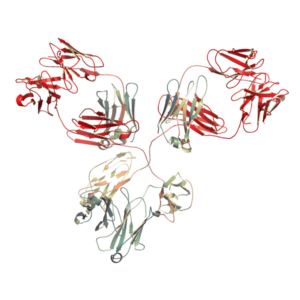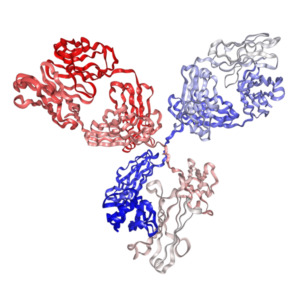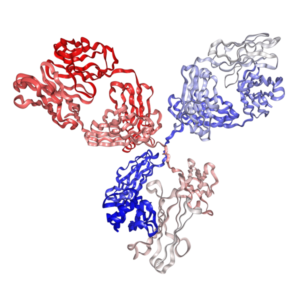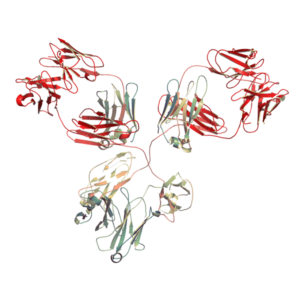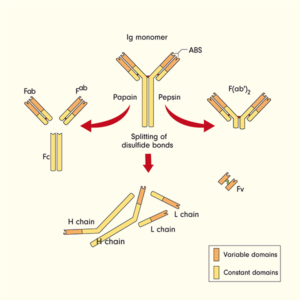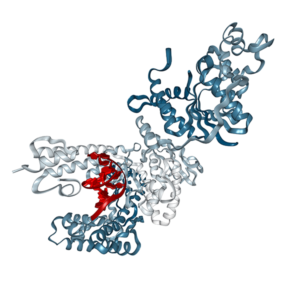
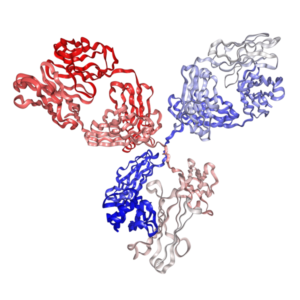

Anti-human CD19 Antibody (Clone: B43) | PA007272.m2a

$200.00 – $1,250.00
Recombinant mouse IgG2a isotype controls are available. Condition of sample preparation and optimal sample dilution should be determined experimentally by the investigator.
- Details & Specifications
- References
| Catalog No. | PA007272.m2a |
|---|---|
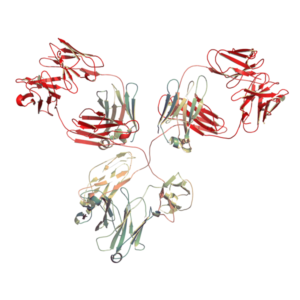
| Product Name | In vivo Grade Recombinant Anti-human CD19 Monoclonal Antibody (Clone: B43), Mouse IgG2a Kappa |
| Supplier Name | Syd Labs, Inc. |
| Brand Name | Syd Labs |
| Synonyms | B-lymphocyte antigen CD19, Cluster of Differentiation 19, B-Lymphocyte Surface Antigen B4, T-Cell Surface Antigen Leu-12, CVID3 |
| Clone | B43. |
| Isotype | Mouse IgG2a kappa. |
| Source/Host | The anti-human CD19 monoclonal antibody (clone: B43) was produced in mammalian cells. |
| Specificity/Sensitivity | The in vivo grade recombinant mouse monoclonal antibody (clone: B43) specifically binds to the human CD19 protein. |
| Applications | ELISA, flow cytometry, neutralization, functional assays such as bioanalytical PK and ADA assays, and those assays for studying biological pathways affected by the human CD19 protein. |
| Form Of Antibody | 0.2 uM filtered solution, pH 7.4, no stabilizers or preservatives. |
| Endotoxin | < 1 EU per 1 mg of the protein by the LAL method. |
| Purity | >95% by SDS-PAGE under reducing conditions and HPLC. |
| Shipping | The In vivo Grade Recombinant Anti-human CD19 Monoclonal Antibody (Clone: B43), Mouse IgG2a Kappa is shipped with ice pack. Upon receipt, store it immediately at the temperature recommended below. |
| Stability & Storage | Use a manual defrost freezer and avoid repeated freeze-thaw cycles. 12 months from date of receipt, -20 to -70°C as supplied. 1 month from date of receipt, 2 to 8°C as supplied. |
| Note | Recombinant mouse IgG2a isotype controls and Recombinant human IgG1 isotype controls are available. Condition of sample preparation and optimal sample dilution should be determined experimentally by the investigator. |
| Order Offline | Phone: 1-617-401-8149 Fax: 1-617-606-5022 Email: message@sydlabs.com Or leave a message with a formal purchase order (PO) Or credit card. |
Description
PA007272.m2a: Recombinant Anti-human CD19 Monoclonal Antibody (Clone: B43), Mouse IgG2a Kappa, In vivo Grade
Recombinant mouse IgG2a Monoclonal Antibody.
Background
The B43 antibody binds to the human CD19 protein, a transmembrane protein expressed in all B lineage cells including human plasma cells. CD19 plays two major roles in human B cells: it acts as an adaptor protein to recruit cytoplasmic signaling proteins to the membrane, and works within the CD19/CD21 complex to decrease the threshold for B cell receptor signaling pathways. CD19 is a biomarker for B lymphocyte development, lymphoma diagnosis and can be utilized as a target for leukemia immunotherapies.
References of Anti-human CD19 Monoclonal Antibody (Clone: B43)
1. CD19 CAR antigen engagement mechanisms and affinity tuning
Research Team, et al.Blood Adv. 2023 Jun 13;7(11):2385-2399. doi: 10.1182/bloodadvances.2022009241. PMID: 36749718; PMCID: PMC10228544
“Chimeric antigen receptor (CAR) T-cell therapy targeting CD19 has revolutionized the treatment of B-cell malignancies. This study investigates the biophysical mechanisms of CD19 antigen engagement, focusing on the affinity tuning of therapeutic binders to improve safety and efficacy. By systematically comparing different anti-CD19 clones, the authors demonstrate how modulating binder kinetics can prevent CAR-T cell exhaustion and optimize therapeutic performance.”
2. A high throughput bispecific antibody discovery pipeline
Brunner A, et al.Nat Commun. 2023 Apr 6;14(1):1924. doi: 10.1038/s41467-023-37654-0. PMID: 37024567; PMCID: PMC10082157
“High-throughput screening platforms are essential for identifying therapeutic-grade monoclonal and bispecific antibodies with optimal binding characteristics. This article describes a novel, automated discovery pipeline designed to streamline the isolation of bispecific antibodies targeting complex cell-surface proteins. The utility of this platform is demonstrated through the rapid generation and characterization of functional binders targeting key B-cell markers such as CD19.”
3. A high throughput bispecific antibody discovery pipeline
Brunner A, et al.Nat Commun. 2023 Apr 6;14(1):1924. doi: 10.1038/s41467-023-37654-0. PMID: 37024567; PMCID: PMC10082157
“Developing bispecific antibodies that engage both T cells and tumor antigens requires precise screening of diverse antibody panels to find candidates with optimal therapeutic indexes. Here, the authors present a robust high-throughput pipeline that integrates advanced functional assays with kinetic profiling. This approach successfully identifies high-affinity CD19-targeting arms that can be combined with CD3-binding elements to create highly potent bispecific T-cell engagers.”
4. Getting CD19 Into Shape: Expression of Natively Folded “Difficult-to- Express” CD19 for Staining and Stimulation of CAR-T Cells
Krah S, et al.Front Immunol. 2020 Jan 31;11:43. doi: 10.3389/fimmu.2020.00043. PMID: 32117215; PMCID: PMC7020774
“The CD19 glycoprotein is notoriously difficult to express in a natively folded, soluble form, which limits its utility in diagnosing lymphomas and monitoring CAR-T cell patients. This study presents a successful strategy for producing highly stable, correctly folded recombinant CD19 extracellular domains using mammalian expression systems. The natively folded protein serves as an exceptional tool for evaluating CD19-specific monoclonal antibodies, such as clone B43, and for stimulating CD19-directed CAR-T cells in vitro.”
5. Directed Evolution of Stabilized Monomeric CD19 for Monovalent CAR Interaction Studies and Monitoring of CAR-T Cell Patients
Doerner A, et al.Front Immunol. 2021 May 14;12:674251. doi: 10.3389/fimmu.2021.674251. PMID: 34054881; PMCID: PMC8155657
“Directed evolution remains a powerful methodology to engineer proteins with enhanced biophysical properties, including superior stability and solubility. This research describes the generation of a stabilized, monomeric variant of the CD19 extracellular domain optimized for monovalent interaction studies. This engineered CD19 platform enables high-resolution kinetic screening of therapeutic anti-CD19 antibodies and provides a robust tool for monitoring circulating CAR-T cells in patients.”
For more technical references or data sheets regarding the Anti-human CD19 Monoclonal Antibody (Clone: B43) formats, please contact our scientific support team at message@sydlabs.com.
Syd Labs provides the following in vivo grade recombinant anti-mouse CD19 monoclonal antibodies:
Recombinant Anti-mouse CD19 monoclonal antibody (Clone: 1D3)
Syd Labs provides the following in vivo grade recombinant anti-human CD19 monoclonal antibodies:
Recombinant Anti-human CD19 monoclonal antibody (Clone: SJ25C1)
Recombinant Anti-human CD19 monoclonal antibody (Clone: B43)
Recombinant Anti-human CD19 monoclonal antibody (Clone: FMC63)
Syd Labs provides the following recombinant anti-mouse CD19 monoclonal antibodies for flow cytometry:
Recombinant Anti-mouse CD19 monoclonal antibody (Clone: 1D3) for flow cytometry
Syd Labs provides the following recombinant anti-human CD19 monoclonal antibodies for flow cytometry:
Recombinant Anti-human CD19 monoclonal antibody (Clone: SJ25C1) for flow cytometry
Recombinant Anti-human CD19 monoclonal antibody (Clone: FMC63) for flow cytometry
Recombinant Anti-human CD19 monoclonal antibody (Clone: B43) for flow cytometry
Anti-human CD19 (B43) from: Anti-human CD19 Monoclonal Antibody (Clone: B43): PA007272.m2a Syd Labs
You may also like…
-
 Select optionsQuick View
 -
 Select optionsQuick View
 -
 Select optionsQuick View
 -
 Select optionsQuick View
 -
 Select optionsQuick View