

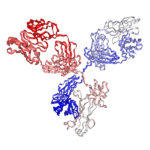
Anti-human CD40 Antibody (G28-5, Mouse IgG1 Kappa)
$150.00 – $900.00
Recombinant anti-human CD40 monoclonal antibody, produced in mammalian cells for high specificity and functional purity. This antibody specifically binds to human CD40 (TNFRSF5), a cell-surface receptor key to immune regulation on antigen-presenting cells, making it an ideal reagent for B cell activation, T cell co-stimulation, and cancer immunotherapy research.
- Endotoxin Level: < 1.0 EU/mg (Low Endotoxin / Functional Grade)
- Applications: Flow Cytometry (FC), Functional Assays, B Cell Proliferation, In Vitro / In Vivo Studies
- Alternative Formats: Recombinant chimeric, humanized, and engineered Fc mutant versions (e.g., Fc-Silent or Fc-Enhanced) are also available.
- Details & Specifications
- References
| Catalog No. | PA007540.m1 |
|---|---|
| Product Name | In Vivo Grade Recombinant Anti-human CD40 Monoclonal Antibody (Clone: G28-5), Mouse IgG1 Kappa |
| Supplier Name | Syd Labs, Inc. |
| Brand Name | Syd Labs |
| Clone | G28-5 |
| Isotype | Mouse IgG1 kappa. |
| Source/Host | The anti-human CD40 monoclonal antibody (clone: G28-5) was produced in mammalian cells. |
| Specificity/Sensitivity | The in vivo grade recombinant mouse monoclonal antibody (clone: G28-5) specifically binds to human CD40. |
| Applications | ELISA, neutralization, functional assays such as bioanalytical PK and ADA assays, and those assays for studying biological pathways affected by the human CD40 protein. |
| Form Of Antibody | 0.2 uM filtered solution, pH 7.4, no stabilizers or preservatives. |
| Endotoxin | < 1 EU per 1 mg of the protein by the LAL method. |
| Purity | >95% by SDS-PAGE under reducing conditions and HPLC. |
| Shipping | The in vivo grade recombinant anti-human CD40 monoclonal antibody of clone G28-5 is shipped with ice pack. Upon receipt, store it immediately at the temperature recommended below. |
| Stability & Storage | Use a manual defrost freezer and avoid repeated freeze-thaw cycles. 12 months from date of receipt, -20 to -70°C as supplied. 1 month from date of receipt, 2 to 8°C as supplied. |
| Note | Recombinant mouse IgG1 isotype controls are available. Condition of sample preparation and optimal sample dilution should be determined experimentally by the investigator. |
| Order Offline | Phone: 1-617-401-8149 Fax: 1-617-606-5019 Email: message@sydlabs.com Or leave a message with a formal purchase order (PO) Or credit card. |
Description
PA007540.m1: In Vivo Grade Recombinant Anti-human CD40 Monoclonal Antibody (Clone: G28-5), Mouse IgG1 Kappa
Recombinant mouse IgG1 Monoclonal Antibody.
References of Anti-Human CD40 Monoclonal Antibody (Clone: G28.5):
Höglund, R. A., et al. Front Immunol. 2020 Apr 9;11:598. PMID: 32328067
“Peripheral blood mononuclear cells from these patients were stimulated with the selected idiotope peptides in presence of anti-CD40 for 12 h. …Cells were resuspended to a final concentration of 2.5 × 10⁶ cells/mL, mixed with 1 μg/mL anti-CD40 (blocking antibody, clone G28.5, BioXcell, USA) and plated onto a 96-well U bottom plate. …500,000 PBMC were stimulated with synthetic idiotope peptides predicted to be stimulatory, tolerogenic, or inert as well as positive and negative controls for 12 h in presence of anti-CD40 antibodies. …A total of 500,000 PBMC were left unstimulated, or stimulated with EBNA-1 peptide mix, insulin peptide mix, anti CD3/CD28 beads (not shown), or one of 22 idiotope peptides for 12 h in presence of anti-CD40 antibodies and analyzed by flow cytometry. …In order to further characterize the idiotope peptides that elicited CD4+ T cell responses, we labeled them using metadata from the IGHV they were derived from and information on cathepsin cleavage prediction.”
2. Increased B Cell ADAM10 in Allergic Patients and Th2 Prone Mice.
Cooley, L. F., et al. PLoS One. 2015 May 1;10(5):e0124331. PMID: 25933166
“B cells were cultured for 2 days (or 5 days for CD23 ELISA) with 200 ng/mL human IL-21 (ATCC), 1 μg/mL anti-CD40 (Clone G28-5, ATCC), and 10 ng/mL rhIL-4 (R&D). …Positively selected B220+ splenic B cells (Miltenyi Biotec) were grown for 1-3 days in cultures containing 1000 units IL-4 and 50 μg/mL LPS (E. coli 0111:B4, Sigma) or 1.25 μg/mL purified anti-mouse CD40 (Biolegend). …Our results thus far indicate that Th2 prone mice and humans, whose B cells are known to produce excess IgE, exhibit increased B cell ADAM10 even in a naïve, non-stimulated state. After stimulation with anti-CD40/IL4, B-ADAM10 levels increased more dramatically in Th2 prone strain B cells as well. …T cell help as demonstrated by in vitro culture with equal concentrations of anti-CD40/IL4 shows that B cell ADAM10 increases in both C57 and Balb WT B cells following stimulation. …Importantly, however, Balb WT B cells exhibit increased ADAM10 in the naïve state and even more dramatically increased ADAM10 after anti-CD40/IL4 stimulation compared C57-WT B cells.”
Price, A. M., et al. J Virol. 2012 Oct;86(20):11096-106. PMID: 22855490
“An agonistic anti-CD40 antibody was purified from the supernatant of the G28-5 hybridoma cell line (a kind gift of E. Kieff, Harvard Medical School). …IKK-2 inhibitor IV (1 μM) or the agonistic CD40 antibody G28-5 (1 μg/ml) was added to the cells at the various time points described. …We specifically asked whether EBV-induced B-cell outgrowth would be affected by CD40 activation by using the agonistic antibody G28-5 during 1- or 2-week intervals following EBV infection of primary B cells. …Therefore, we performed experiments similar to those described above for CD40 agonism, but using a specific inhibitor of the IKKβ subunit of the IKK complex. …We thank Elliott Kieff (Harvard Medical School) for the G28-5 (anti-CD40) hybridoma and Thomas Tedder (Duke University) for the 33-6-6 (anti-CD19) hybridoma.”
You may also like…
- Select optionsQuick View
- HotSelect optionsQuick View