


Anti-human CD3e Antibody (Clone: UCHT1) | PA007197.h1


$150.00 – $900.00
Recombinant mouse IgG1 isotype controls are available. Condition of sample preparation and optimal sample dilution should be determined experimentally by the investigator.
- Details & Specifications
- References
| Catalog No. | PA007197.h1 |
|---|---|
| Product Name | In vivo Grade Recombinant Anti-human CD3e Monoclonal Antibody, Human IgG1 Kappa (Clone: UCHT1) |
| Data Sheet | 📄 Download Product Data Sheet (PDF) |
| Supplier Name | Syd Labs, Inc. |
| Brand Name | Syd Labs |
| Synonyms | cluster of differentiation 3, CD3D, CD3E, CD3G |
| Summary | The anti-human CD3 monoclonal antibody (clone: UCHT1) was produced in mammalian cells. |
| Clone | UCHT1 |
| Isotype | Human IgG1 kappa |
| Specificity/Sensitivity | The in vivo grade recombinant mouse monoclonal antibody (clone: UCHT1) specifically binds to the human T cell receptor CD3. |
| Applications | ELISA, neutralization, functional assays such as bioanalytical PK and ADA assays, and those assays for studying biological pathways affected by the human CD3 protein. |
| Form Of Antibody | 0.2 uM filtered solution, pH 7.4, no stabilizers or preservatives. |
| Endotoxin | < 1 EU per 1 mg of the protein by the LAL method. |
| Purity | >95% by SDS-PAGE under reducing conditions and HPLC. |
| Shipping | The in vivo grade recombinant anti-human CD3 Mouse IgG1 Kappa monoclonal antibody (clone: UCHT1) is shipped with ice pack. Upon receipt, store it immediately at the temperature recommended below. |
| Stability & Storage | Use a manual defrost freezer and avoid repeated freeze-thaw cycles. 12 months from date of receipt, -20 to -70°C as supplied. 1 month from date of receipt, 2 to 8°C as supplied. |
| Note | Recombinant human IgG1 isotype controls are available. Condition of sample preparation and optimal sample dilution should be determined experimentally by the investigator. |
| Order Offline | Phone: 1-617-401-8149 Fax: 1-617-606-5022 Email: message@sydlabs.com Or leave a message with a formal purchase order (PO) Or credit card. |
Description
PA007197.h1: Recombinant Anti-human CD3e Monoclonal Antibody (Clone: UCHT1), Human IgG1 Kappa, In vivo Grade
Recombinant mouse IgG1 Monoclonal Antibody.
References of Anti-human CD4 Monoclonal Antibody:
1、Human Fcγ-receptor IIb modulates pathogen-specific versus self-reactive antibody responses in lyme arthritis.
Danzer, H., et al. eLife. 2020 Jul 2;9:e55319. doi: 10.7554/eLife.55319. PMID: 32613944
“To deplete T cells, 100 µg of the human CD4-specific antibody OKT4 (BioXcell) was injected intraperitoneally 3, 2 and 1 days before B. …Sera of humanized mice were obtained by collecting blood from the retro-orbital plexus. …Serum from control and B. burgdorferi infected humans was obtained by collecting venous blood in BD Vacutainer tubes at the Medical Department 3 of the University Hospital Erlangen. …For detection of B. burgdorferi-specific antibodies, ELISA plates were coated with B. burgdorferi ultrasonic lysate at 5 µg/ml (0.5 µg/well) over night at 4°C. …Antibodies against a predefined series of immunodominant proteins of B. burgdorferi sensu lato were measured using a commercial western blot approach in which purified recombinant B. burgdorferi antigens are coated on a membrane which is incubated with the sera of humanized mice (diluted 1:20), followed by detection of bound antibodies by human IgM-HRP coupled secondary antibodies.”
2、Response to Programmed Cell Death-1 Blockade in a Murine Melanoma Syngeneic Model Requires Costimulation, CD4, and CD8 T Cells.
“Homet Moreno, B., et al. Cancer Immunol Res. 2016 Oct;4(10):845-857. doi: 10.1158/2326-6066.CIR-16-0060. PMID: 27589875
To elucidate the role of CD8 and CD4 T cells in anti–PD-1 activity, both cell subtypes were depleted in C57BL/6 mice bearing MC38 or YUMM2.1 tumors. …Three and ten days after starting treatment with anti–PD-1 or isotype control, tumors and spleens were harvested and stained for CD3, CD4, and CD8 (Supplementary Fig. S2C and S2D). …The evidence that both CD4 and CD8 cells are required for response to PD-1 blockade in the MC38 and YUMM2. …We confirmed the essential roles of both the CD8 and CD4 T cells in anti–PD-1 effect in both MC38 and YUMM2.1 tumor models. …It is unknown if the location of PD-1/PD-L1 interaction and its consecutive blockade is tumor-dependent in a short-term implanted tumor model.”
3、T cell receptor dwell times control the kinase activity of Zap70.
Klammt, C., et al. Nat Immunol. 2015 Sep;16(9):961-9. doi: 10.1038/ni.3231. PMID: 26237552
“Kinase recruitment to membrane receptors is essential for signal transduction. …We investigated how conformational changes control T cell receptor (TCR) association and activity of the kinase Zap70. …Structural analysis showed that TCR binding or phosphorylation of Zap70 triggers a transition from a closed, autoinhibited conformation to an open conformation. …The closed conformation minimized TCR dwell times and thereby prevented activation by membrane-associated kinases. …Our study suggests that the dynamics of cytosolic enzyme recruitment to the plasma membrane regulate the activity and function of receptors lacking intrinsic catalytic activity.”
4、Characterization of human antiviral adaptive immune responses during hepatotropic virus infection in HLA-transgenic human immune system mice.
Horwitz, J. A., et al. J Immunol. 2013 Aug 15;191(4):1753-64. doi: 10.4049/jimmunol.1201518. PMID: 23833235
“Humanized mice have emerged as a promising model to study human immunity in vivo. …It has recently been demonstrated that the expression of HLA molecules improves human immunity to lymphotropic virus infections in humanized mice. …However, little is known about the extent of functional human immune responses in nonlymphoid tissues, such as in the liver, and the role of HLA expression in this context. …Using a firefly luciferase–expressing adenovirus and in vivo bioluminescence imaging, we demonstrate a human T cell–dependent partial clearance of adenovirus-infected cells from the liver of HLA-transgenic humanized mice. …The adenovirus reporter system used in our study may serve as simple in vivo method to evaluate future strategies for improving human intrahepatic immune responses in humanized mice.”
5、Antibody-mediated stripping of CD4 from lymphocyte cell surface in patients with rheumatoid arthritis.
Hepburn, T. W., et al. Rheumatology (Oxford). 2003 Jan;42(1):54-61. doi: 10.1093/rheumatology/keg030. PMID: 12509613
“Clenoliximab, an immunoglobulin G4 derivative of keliximab, has substantially reduced potential to deplete CD4 cells. …In initial studies of clenoliximab, we investigated the hypothesis that the decrease in cell surface CD4 is the result of antibody‐mediated stripping from the cell surface. …Blood was collected for up to 16 weeks and pharmacokinetic and pharmacodynamic assessments were conducted using immunoassay and flow cytometry. …Maximal down‐modulation persisted for an increasing period as dose increased, while soluble CD4–clenoliximab complexes accumulated. …The amount of CD4 in soluble complex was as much as 20 times the amount of cell‐associated CD4.”
For more references about Anti-human CD4 Monoclonal Antibody please contact our scientific support team with message@sydlabs.com.
Frequently Asked Questions (FAQ) about In Vivo Grade Anti-Human CD3 Antibody (Clone: UCHT1)
Question: What are the main applications of Syd Labs’ functional grade UCHT1 antibody?
Answer: Our functional grade ucht1 antibody is explicitly tailored for sensitive preclinical and analytical workflows. It is thoroughly validated for anti-cd3 ucht1 neutralization assays, cellular pathway blockades, and high-throughput bioanalytical configurations. Because of its defined recombinant nature and superior target specificity, it serves as an excellent benchmark for therapeutic antibody development, including pharmacokinetic (PK) modeling and anti-drug antibody (ADA) assay optimization.
Question: Is this recombinant anti-human CD3 UCHT1 antibody supplied with preservatives?
Answer: No, this formulation is entirely carrier-free and preservative-free. To protect fragile primary cells and animal models from chemical toxicity, our low endotoxin anti-human cd3 ucht1 matrix contains absolutely no sodium azide and no BSA or stabilizing protein additives. It is supplied as a 0.2 μM sterile-filtered liquid in pure 1x PBS, maintaining an endotoxin threshold of less than 1 EU/mg via LAL testing.
Question: What is the specific host species and isotype for clone UCHT1?
Answer: This product is engineered as an anti-human cd3 clone ucht1 mouse igg1 (kappa) monoclonal antibody. Every batch features a verified structural purity >95% by SDS-PAGE. Knowing the exact Mouse IgG1 isotype allows investigators to perfectly align their isotype control strategies and calculate non-specific Fc-receptor binding factors during comparative immune pathway tracking.
Question: Can I use this in vivo grade UCHT1 page for routine multi-color flow cytometry?
Answer: While this antibody possesses exceptional binding affinity to the human CD3 epsilon subunit, this specific page (p15855.htm) delivers a high-value, preservative-free format intended for functional biology and ucht1 clone pharmacokinetic ada assays. If you only require routine leukocyte screening or multi-color immunophenotyping, we strongly suggest using our detection-tier UCHT1 format on page p15806.htm, which is pre-stabilized with preservatives for continuous laboratory pipetting.
Question: What are the optimal storage guidelines to preserve the neutralization activity of this antibody?
Answer: To avoid structural degradation and protect its binding capabilities, store short-term (up to 4 weeks) at 2–8°C. For long-term programmatic inventory up to 12 months, we highly recommend dividing the stock into single-use working aliquots and storing at -20°C to -70°C in a manual defrost freezer. Strictly avoid repeating freeze-thaw cycles, which induce protein aggregation and ruin functional neutralization efficacy.
Syd Labs provides the following in vivo grade recombinant anti-human CD3 monoclonal antibodies:
Muromonab biosimilar, research grade, anti-human CD3 monoclonal antibody (Clone: OKT3)
Teplizumab biosimilar, research grade, anti-human CD3 monoclonal antibody (Clone: OKT3)
Foralumab biosimilar, research grade, anti-human CD3 monoclonal antibody (Clone: OKT3)
Recombinant Anti-human CD3 monoclonal antibody (Clone: OKT3)
Recombinant Anti-human CD3 monoclonal antibody (Clone: SP34-2)
Recombinant Anti-human CD3 monoclonal antibody (Clone: UCHT1)
Recombinant Anti-human CD3 monoclonal antibody (Clone: 12F6)
Syd Labs provides the following in vivo grade recombinant anti-human CD3 bispecific antibodies:
Recombinant Anti-human CD3 / CD3 Bispecific Antibody (Clone: OKT3 / UCHT1)
Recombinant Anti-human CD3 / CD3 Bispecific Antibody (Clone: OKT3 / SP34-2)
Recombinant Anti-human CD3 / CD3 Bispecific Antibody (Clone: SP34-2 / OKT3)
Syd Labs provides the following in vivo grade recombinant anti-mouse CD3 monoclonal antibodies:
Recombinant Anti-mouse CD3e monoclonal antibody (Clone: 145-2C11)
Recombinant Anti-mouse CD3e monoclonal antibody (Clone: 500A2)
Recombinant Anti-mouse CD3 monoclonal antibody (Clone: 17A2)
Recombinant Anti-mouse CD3e monoclonal antibody (Clone: KT3)
Syd Labs provides the following recombinant anti-human CD3 monoclonal antibodies for flow cytometry:
Recombinant Anti-human CD3 monoclonal antibody (Clone: OKT3) for flow cytometry
Recombinant Anti-human CD3 monoclonal antibody (Clone: UCHT1) for flow cytometry
Recombinant Anti-human CD3 monoclonal antibody (Clone: 12F6) for flow cytometry
Recombinant Anti-human CD3 monoclonal antibody (Clone: SP34-2) for flow cytometry
Syd Labs provides the following recombinant anti-mouse CD3 monoclonal antibodies for flow cytometry:
Recombinant Anti-mouse CD3 monoclonal antibody (Clone: 17A2) for flow cytometry
Recombinant Anti-mouse CD3e monoclonal antibody (Clone: 145-2C11) for flow cytometry
Recombinant Anti-mouse CD3e monoclonal antibody (Clone: 500A2) for flow cytometry
Recombinant Anti-mouse CD3e monoclonal antibody (Clone: KT3) for flow cytometry
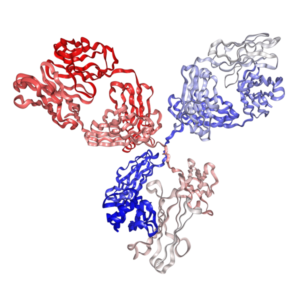
Anti-human CD3e (UCHT1) from: Recombinant Anti-human CD3e Human IgG1 Kappa Monoclonal Antibody (Clone: UCHT1): PA007197.h1 Syd Labs
You may also like…
-
 Select optionsQuick View
-
 Select optionsQuick View
-
 Select optionsQuick View
-
 Select optionsQuick View

