
CD20 PE-CF594(1037204)
Caprico Biotechnologies CD20 PE-CF594 catalog number: 1037204,Antibody clone 2H7 recognizes the large extracellular loop of human CD20, mapped to the peptide sequence YNCEPANPSEKNSPST.
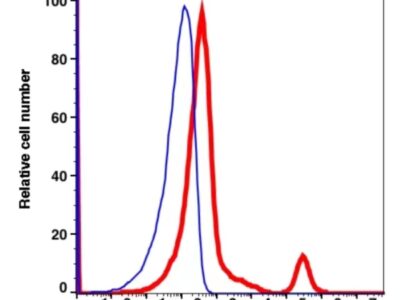
Caprico Biotechnologies CD20 PE-CF594 catalog number: 1037204,Antibody clone 2H7 recognizes the large extracellular loop of human CD20, mapped to the peptide sequence YNCEPANPSEKNSPST.
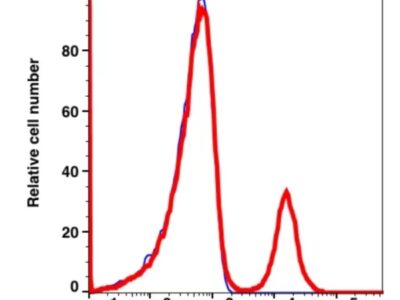
Caprico Biotechnologies CD20 PerCP catalog number: 103734,Antibody clone 2H7 recognizes the large extracellular loop of human CD20, mapped to the peptide sequence YNCEPANPSEKNSPST.
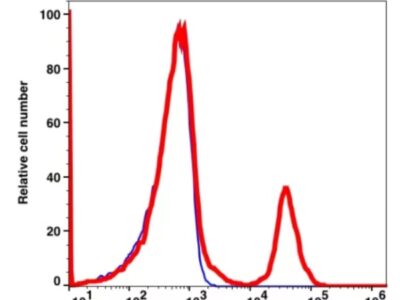
Caprico Biotechnologies CD20 PerCP-Cyanine5.5 catalog number: 103764,Antibody clone 2H7 recognizes the large extracellular loop of human CD20, mapped to the peptide sequence YNCEPANPSEKNSPST.
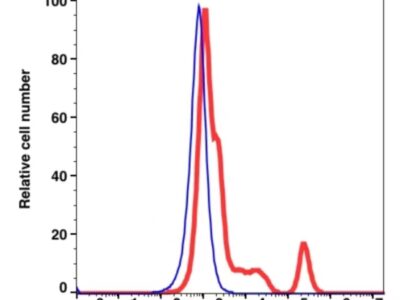
Caprico Biotechnologies CD20 Biotin catalog number: 103751,The clone FR4D11, a mouse monoclonal antibody recognizes a 100 kDa protein that has neutral metalloendopeptidase activity and inactivates a variety of biologically active peptides known as CD10.
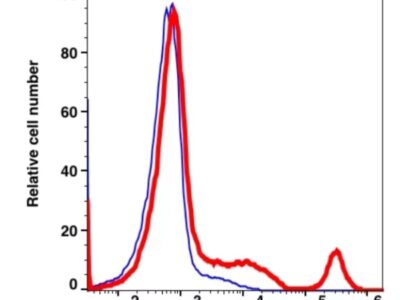
Caprico Biotechnologies CD20 Unconjugated catalog number: 103701,Antibody clone 2H7 recognizes the large extracellular loop of human CD20, mapped to the peptide sequence YNCEPANPSEKNSPST.
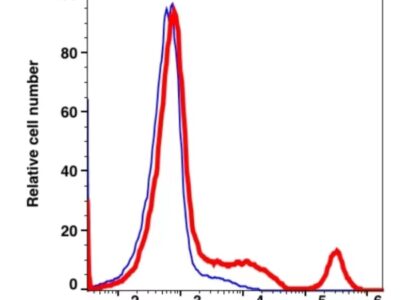
Caprico Biotechnologies CD20 Unconjugated catalog number: 115701,The clone B9E9, a mouse monoclonal antibody selectively recognizes non-glycosylated 33-37 kDa surface type 1 transmembrane protein antigen known as CD20
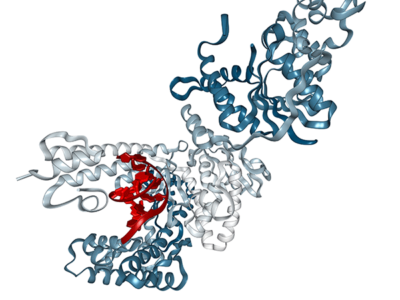
The mouse CD16/CD32 Fc blocking antibody (2.4G2 Fc blocking antibody) is an anti-mouse Fc receptor antibody for mouse FcR blocking reagent. Various isotypes are available for certain applications. Condition of sample preparation and optimal sample...

Recombinant mouse IgG1 isotype controls are available. Condition of sample preparation and optimal sample dilution should be determined experimentally by the investigator.

Recombinant anti-mouse CD8a monoclonal antibodies from the variable region sequences of the rat anti-mouse CD8a monoclonal antibody (clone number: 2.43) are produced from mammalian cells and good for in vitro and in vivo studies.

Recombinant rat IgG1 isotype controls are available. Condition of sample preparation and optimal sample dilution should be determined experimentally by the investigator.