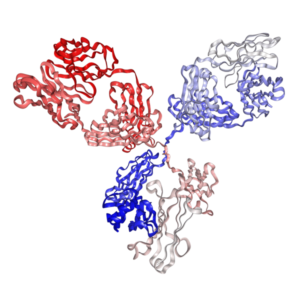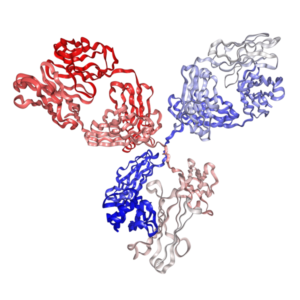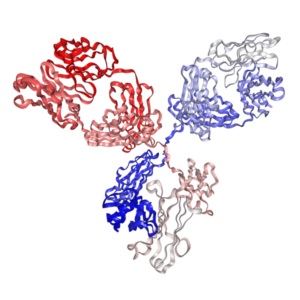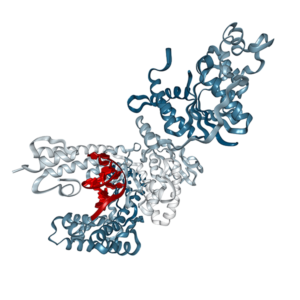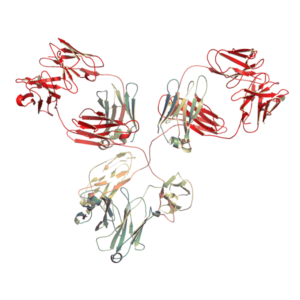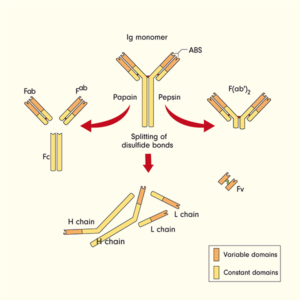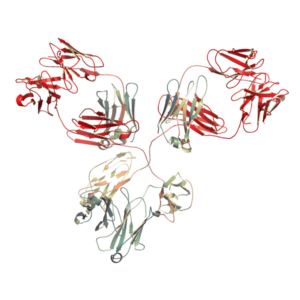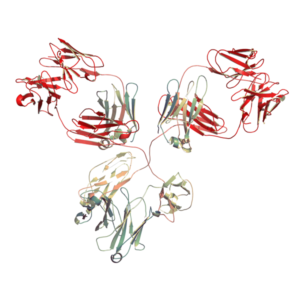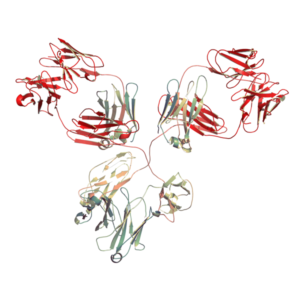

Anti-mouse CTLA-4 Antibody for Flow Cytometry | PA007501.h1Fs
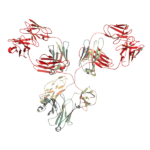

$45.00 – $90.00
Recombinant mouse IgG2b isotype controls and Recombinant human IgG1 isotype controls are available. Condition of sample preparation and optimal sample dilution should be determined experimentally by the investigator.
- Details & Specifications
- References
| Catalog No. | PA007501.h1Fs |
|---|---|
| Product Name | Recombinant Anti-mouse CTLA-4 Monoclonal Antibody (Clone: 9D9), Human IgG1 Fc Silent Kappa |
| Supplier Name | Syd Labs, Inc. |
| Brand Name | Syd Labs |
| Synonyms | cytotoxic T-lymphocyte associated antigen 4, cytotoxic T-lymphocyte antigen 4, CD152, CTLA4 |
| Clone | 9D9. |
| Isotype | Human IgG1 kappa. |
| Source/Host | The anti-mouse CTLA-4 monoclonal antibody (clone: 9D9) for Flow Cytometry was produced in mammalian cells. |
| Specificity/Sensitivity | The recombinant 9D9 antibody for Flow Cytometry specifically binds to mouse CTLA-4 protein. |
| Applications | Flow cytometry (FC), and Immunohistochemistry - Frozen (IHC-F). |
| Form Of Antibody | 0.2 uM filtered solution, pH 7.4, containing 0.09% sodium azide. |
| Conjugate | Non-conjugated. |
| Purity | >95% by SDS-PAGE under reducing conditions. |
| Shipping | The Recombinant Anti-mouse CTLA-4 Monoclonal Antibody (Clone: 9D9) for Flow Cytometry, Human IgG1 Fc Silent Kappa is shipped with ice pack. Upon receipt, store it immediately at the temperature recommended below. |
| Stability & Storage | Use a manual defrost freezer and avoid repeated freeze-thaw cycles. 12 months from date of receipt, 2 to 8°C as supplied. Do not freeze it. |
| Note | Recombinant human IgG1 isotype controls are available. Condition of sample preparation and optimal sample dilution should be determined experimentally by the investigator. |
| Order Offline | Phone: 1-617-401-8149 Fax: 1-617-606-5022 Email: message@sydlabs.com Or leave a message with a formal purchase order (PO) Or credit card. |
Description
PA007501.h1Fs: Recombinant Anti-mouse CTLA-4 Monoclonal Antibody (Clone: 9D9) for Flow Cytometry, Human IgG1 Fc Silent Kappa
The 9D9 antibody blocks the mouse cytotoxic T lymphocyte antigen-4 (CTLA-4). Blocking CTLA-4 removes an inhibitory signal from reducing the activity of T lymphocytes.
Cytotoxic T-lymphocyte antigen-4 (CTLA-4) is an inhibitory molecule that competes with the stimulatory CD28 for binding to B7 on antigen presenting cells. CTLA-4 and CD28 are both presented on the surface of T-cells.
References of Anti-Mouse CTLA-4 Monoclonal Antibody (Clone: 9D9)
1. Fc-dependent depletion of tumor-infiltrating regulatory T cells co-defines the efficacy of anti–CTLA-4 therapy against melanoma.
Simpson TR, et al.J Exp Med. 2013 Aug 26;210(9):1695-710. doi: 10.1084/jem.20130091. PMID: 23878181
“The study investigates the mechanism of anti-CTLA-4 therapy using the 9D9 monoclonal antibody in a B16 melanoma mouse model. Tumor-infiltrating lymphocytes were isolated from B16 tumors 7 days after the final dose of anti-CTLA-4 mAb and stained with fluorescently conjugated antibodies against CD4, CD25, CTLA-4 (clone 9D9), FoxP3, CD103, CD8, and CD45.1. Flow cytometry, performed on a modified FACSCanto II cytometer and analyzed with FlowJo software, showed that Tregs were gated as CD4+ FoxP3+ tumor-infiltrating lymphocytes, with the frequency of CTLA-4+ Tregs determined. Anti-CTLA-4 therapy significantly increased CD8+ T cell infiltration in tumors, highlighting the Fc-dependent depletion of regulatory T cells as a key factor in therapeutic efficacy.”
2. Anti-CTLA-4 therapy broadens the melanoma-reactive CD4+ T cell response.
Quezada SA, et al.Oncoimmunology. 2014;3(5):e29032. doi: 10.4161/onci.29032. PMID: 24828551
“This study explores the effects of anti-CTLA-4 therapy using the 9D9 monoclonal antibody on melanoma-reactive CD4+ T cells. Splenocytes were harvested and stained with fluorescently conjugated antibodies against CD4, CD8, CD25, CD44, CTLA-4 (clone 9D9), and PD-1 for flow cytometry analysis. Tetramer staining identified melanoma-specific CD4+ T cells, revealing a 3-fold increase in their frequency following anti-CTLA-4 treatment. Polyfunctional cytokine production was assessed via intracellular staining, demonstrating that anti-CTLA-4 therapy enhances the melanoma-reactive CD4+ T cell response.”
3. CTLA-4 expression on activated T cells by flow cytometry with clone 9D9.
Egen JG, et al.Immunity. 2006 Jun;24(6):803-14. doi: 10.1016/j.immuni.2006.04.009. PMID: 16751384
“This study examines CTLA-4 expression on activated T cells using the 9D9 monoclonal antibody. Activated T cells were stained with PE-conjugated anti-mouse CTLA-4 (clone 9D9), revealing rapid upregulation of CTLA-4 within 24 hours of activation via flow cytometry. CD4+ T cells from OT-II mice were stimulated with OVA peptide, showing CTLA-4 internalization post-stimulation. Blockade with anti-CTLA-4 enhanced T cell expansion, demonstrating the role of CTLA-4 in regulating T cell responses in animal models.”
For more technical references or data sheets regarding the Anti-Mouse CTLA-4 Monoclonal Antibody (Clone: 9D9) formats, please contact our scientific support team at message@sydlabs.com.
Syd Labs provides the following research grade anti-CTLA-4 antibody biosimilars:
Ipilimumab Biosimilar, research grade, anti-human CTLA-4 monoclonal antibody
Tremelimumab Biosimilar, research grade, anti-human CTLA-4 monoclonal antibody
Recombinant CTLA-4 Proteins:
Biotinylated Human CTLA-4 Protein
Cynomolgus CTLA-4 Protein
Human CTLA-4 Protein
Anti-mouse CTLA-4 Antibody (9D9) for Flow Cytometry from: Recombinant Anti-mouse CTLA-4 Monoclonal Antibody (Clone: 9D9), Human IgG1 Fc Silent Kappa: PA007501.h1Fs Syd Labs
You may also like…
-
 Select optionsQuick View
 -
 Select optionsQuick View