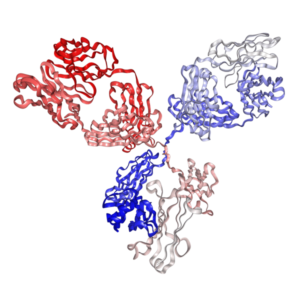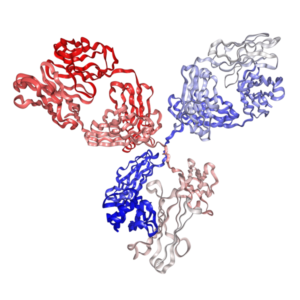


Anti-mouse CTLA-4 Monoclonal Antibody (Clone: 9D9) | PA007380.m2b


$150.00 – $900.00
Recombinant mouse IgG2b isotype control, Recombinant mouse IgG2c LALAPG isotype control, and Recombinant mouse IgG2a LALAPG isotype control are available. Condition of sample preparation and optimal sample dilution should be determined experimentally by the investigator.
- Details & Specifications
- References
| Catalog No. | PA007380.m2b |
|---|---|
| Product Name | In vivo Grade Recombinant Anti-mouse CTLA-4 Monoclonal Antibody, Mouse IgG2b Kappa (Clone: 9D9) |
| Supplier Name | Syd Labs, Inc. |
| Brand Name | Syd Labs |
| Synonyms | cytotoxic T-lymphocyte associated antigen 4, cytotoxic T-lymphocyte antigen 4, CD152, CTLA4 |
| Summary | The in vivo grade recombinant mouse monoclonal antibody (clone: 9D9) specifically binds to the mouse CTLA-4 protein. |
| Clone | 9D9 |
| Isotype | Mouse IgG2b kappa |
| Specificity/Sensitivity | The in vivo grade recombinant mouse monoclonal antibody (clone: 9D9) specifically binds to the mouse CTLA-4 protein. |
| Applications | ELISA, flow cytometry, neutralization, functional assays such as bioanalytical PK and ADA assays, and those assays for studying biological pathways affected by the mouse CTLA-4 protein. |
| Form Of Antibody | 0.2 uM filtered solution, pH 7.4, no stabilizers or preservatives. |
| Endotoxin | < 1 EU per 1 mg of the protein by the LAL method. |
| Purity | >95% by SDS-PAGE under reducing conditions. |
| Shipping | Anti-mouse CTLA-4 Monoclonal Antibody is shipped with ice pack. Upon receipt, store it immediately at the temperature recommended below. |
| Stability & Storage | Use a manual defrost freezer and avoid repeated freeze-thaw cycles. 12 months from date of receipt, -20 to -70°C as supplied. 1 month from date of receipt, 2 to 8°C as supplied. |
| Note | Recombinant mouse IgG2b isotype control, Recombinant mouse IgG2c LALAPG isotype control, and Recombinant mouse IgG2a LALAPG isotype control are available. Condition of sample preparation and optimal sample dilution should be determined experimentally by the investigator. |
| Order Offline | Phone: 1-617-401-8149 Fax: 1-617-606-5022 Email: message@sydlabs.com Or leave a message with a formal purchase order (PO) Or credit card. |
Description
PA007380.m2b: Recombinant Anti-mouse CTLA-4 Monoclonal Antibody(Clone: 9D9) , Mouse IgG2b Kappa, In vivo Grade
The anti-mouse CTLA-4 monoclonal antibody (clone: 9D9) was produced in mammalian cells. The 9D9 antibody blocks the mouse cytotoxic T lymphocyte antigen-4 (CTLA-4). Blocking CTLA-4 removes an inhibitory signal from reducing the activity of T lymphocytes.
Cytotoxic T-lymphocyte antigen-4 (CTLA-4) is an inhibitory molecule that competes with the stimulatory CD28 for binding to B7 on antigen presenting cells. CTLA-4 and CD28 are both presented on the surface of T-cells.
References of Anti-mouse CTLA-4 Monoclonal Antibody(Clone: 9D9)
1. Activity of murine surrogate antibodies for durvalumab and tremelimumab lacking effector function and the ability to deplete regulatory T cells in mouse models of cancer
Darren J Schofield, et al.MAbs. 2021 Jan-Dec;13(1):1881267. doi: 10.1080/19420862.2020.1857100. PMID: 33397194; PMCID: PMC7831362
“Preclinical studies of PD-L1 and CTLA-4 blockade have relied heavily on mouse syngeneic tumor models with intact immune systems, which facilitate dissection of immunosuppressive mechanisms in the tumor microenvironment. Commercially developed monoclonal antibodies (mAbs) targeting human PD-L1, PD-1, and CTLA-4 may not demonstrate cross-reactive binding to their mouse orthologs, and surrogate anti-mouse antibodies are often used in their place to inhibit these immune checkpoints. To develop relevant murine surrogate antibodies for the anti-human PD-L1 mAb durvalumab and the anti-human CTLA-4 mAb tremelimumab, rat/mouse chimeric or fully murine mAbs engineered for reduced effector function were developed and compared with durvalumab and tremelimumab.”
2. Leukemic B Cell CTLA-4 Suppresses Co-stimulation of T cells
Priscilla Do, et al.J Immunol. 2019 May 1;202(9):2806-2816. doi: 10.4049/jimmunol.1801359. PMID: 30910862; PMCID: PMC6478536
“The clinical benefit of CTLA-4 blockade on T cells is known, yet the impact of its expression on cancer cells remains unaddressed. We define an immunosuppressive role for tumor-expressed CTLA-4 using chronic lymphocytic leukemia (CLL) as a disease model. Coculture with activated human T cells induced surface CTLA-4 on primary human CLL B cells.”
3. A reappraisal of CTLA-4 checkpoint blockade in cancer immunotherapy
Xuexiang Du, et al.Cell Res. 2018 Apr;28(4):416-432. doi: 10.1038/s41422-018-0011-0. PMID: 29472691; PMCID: PMC5939050
“It is assumed that anti-CTLA-4 antibodies cause tumor rejection by blocking negative signaling from B7-CTLA-4 interactions. Surprisingly, at concentrations considerably higher than plasma levels achieved by clinically effective dosing, the anti-CTLA-4 antibody Ipilimumab blocks neither B7 trans-endocytosis by CTLA-4 nor CTLA-4 binding to immobilized or cell-associated B7. Consequently, Ipilimumab does not increase B7 on dendritic cells (DCs) from either CTLA4 gene humanized or human CD34+ stem cell-reconstituted NSG™ mice.”
4. Inhibition of immune checkpoints PD-1, CTLA-4, and IDO1 coordinately induces immune-mediated liver injury in mice
Timothy Affolter, et al.PLoS One. 2019 May 21;14(5):e0217276. doi: 10.1371/journal.pone.0217276. PMID: 31112568; PMCID: PMC6528985
“Cancer cells harness immune checkpoints such as cytotoxic T-lymphocyte-associated protein 4 (CTLA-4), programmed cell death protein 1 (PD-1) and indoleamine 2,3-dioxygenase 1 (IDO1) to evade immune control. Checkpoint inhibitors have demonstrated durable anti-tumor efficacy in human and preclinical models. Liver toxicity is one of the common immune-related adverse events associated with checkpoint inhibitors (CPIs) and its frequency and severity often increase significantly during CPI combination therapies.”
5. The CTLA-4 x OX40 bispecific antibody ATOR-1015 induces anti-tumor effects through tumor-directed immune activation
Anne Månsson Kvarnhammar, et al.J Immunother Cancer. 2019 Apr 11;7(1):103. doi: 10.1186/s40425-019-0570-8. PMID: 30975201; PMCID: PMC6458634
“The CTLA-4 blocking antibody ipilimumab has demonstrated substantial and durable effects in patients with melanoma. While CTLA-4 therapy, both as monotherapy and in combination with PD-1 targeting therapies, has great potential in many indications, the toxicities of the current treatment regimens may limit their use. Thus, there is a medical need for new CTLA-4 targeting therapies with improved benefit-risk profile.”
For more technical references or data sheets regarding the Anti-mouse CTLA-4 Monoclonal Antibody(Clone: 9D9) formats, please contact our scientific support team at message@sydlabs.com.
Related Recombinant IgG Reference Antibodies:
Recombinant mouse lgG2b isotype control antibody
Recombinant mouse IgG2c LALAPG isotype control antibody
Recombinant mouse IgG2a LALAPG isotype control antibody
Syd Labs provides the following research grade anti-CTLA-4 antibody biosimilars:
Ipilimumab Biosimilar, research grade, anti-human CTLA-4 monoclonal antibody
Tremelimumab Biosimilar, research grade, anti-human CTLA-4 monoclonal antibody
Recombinant CTLA-4 Proteins:
Biotinylated Human CTLA-4 Protein
Cynomolgus CTLA-4 Protein
Human CTLA-4 Protein
Anti-mouse CTLA-4 Antibody(Clone: 9D9) from: Anti-mouse CTLA-4 Monoclonal Antibody, Mouse IgG2b Kappa (Clone: 9D9): PA007380.m2b Syd Labs
You may also like…
-
 Select optionsQuick View
 -
 Select optionsQuick View