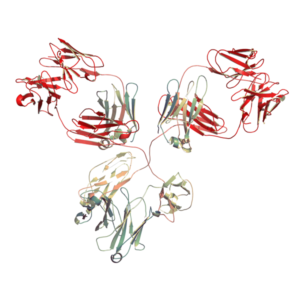
Anti-Mouse CD366 (TIM-3) Antibody (Clone:RMT3-23) | PA007637.r2a


$150.00 – $900.00
Recombinant rat IgG2a isotype controls are available. Condition of sample preparation and optimal sample dilution should be determined experimentally by the investigator.
- Details & Specifications
- References
| Catalog No. | PA007637.r2a |
|---|---|
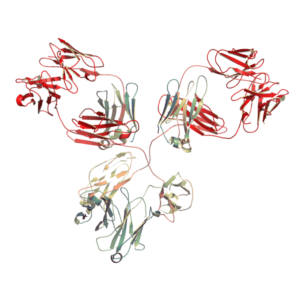
| Product Name | In Vivo Grade Recombinant Anti-mouse CD366 (TIM-3) Monoclonal Antibody (Clone: RMT3-23), Rat IgG2a Kappa |
| Supplier Name | Syd Labs, Inc. |
| Brand Name | Syd Labs |
| Synonyms | T cell immunoglobulin and mucin domain containing protein 3, hepatitis virus cellular receptor 2, CD366 |
| Clone | RMT3-23. |
| Isotype | Rat IgG2a kappa. |
| Source/Host | The anti-mouse CD366 (TIM-3) monoclonal antibody (clone: RMT3-23) was produced in mammalian cells. |
| Specificity/Sensitivity | The in vivo grade recombinant rat monoclonal antibody (clone: RMT3-23) specifically binds to mouse CD366 (TIM-3). |
| Applications | ELISA, neutralization, functional assays such as bioanalytical PK and ADA assays, and those assays for studying biological pathways affected by the mouse CD366 (TIM-3) protein. |
| Form Of Antibody | 0.2 uM filtered solution, pH 7.4, no stabilizers or preservatives. |
| Endotoxin | < 1 EU per 1 mg of the protein by the LAL method. |
| Purity | >95% by SDS-PAGE under reducing conditions and HPLC. |
| Shipping | The in vivo grade recombinant anti-mouse CD366 (TIM-3) monoclonal antibody of clone RMT3-23 is shipped with ice pack. Upon receipt, store it immediately at the temperature recommended below. |
| Stability & Storage | Use a manual defrost freezer and avoid repeated freeze-thaw cycles. 12 months from date of receipt, -20 to -70°C as supplied. 1 month from date of receipt, 2 to 8°C as supplied. |
| Note | Recombinant rat IgG2a isotype controls are available. Condition of sample preparation and optimal sample dilution should be determined experimentally by the investigator. |
| Order Offline | Phone: 1-617-401-8149 Fax: 1-617-606-5022 Email: message@sydlabs.com Or leave a message with a formal purchase order (PO) Or credit card. |
Description
PA007637.r2a: In Vivo Grade Recombinant Anti-mouse CD366 (TIM-3) Monoclonal Antibody (Clone: RMT3-23), Rat IgG2a Kappa
Recombinant Rat IgG2a Monoclonal Antibody.
References of Anti-Mouse CD366 (TIM-3) Monoclonal Antibody (Clone: RMT3-23)
1. Blockade of TIM3 relieves immunosuppression through reducing regulatory T cells in head and neck cancer.
Liu, J.-F., et al.J Exp Clin Cancer Res. 2018 Mar 5;37(1):44. doi: 10.1186/s13046-018-0713-7. PMID: 29506555
“The prophylactic administration of isotype IgG2a (clone 2A3) or anti-TIM3 (RMT3–23) (BioXCell, West Lebanon, NH) in mice was carried out by intraperitoneal injections (100 μg i.p.) for 3 days since day 12 and then once a week for the following weeks. …In the transgenic HNSCC mouse model, blockade of TIM3 by the anti-TIM3 monoclonal antibody induced a reduction of CD4+CD25+Foxp3+ Tregs. …Meanwhile, the population of TIM3+ Tregs was also decreased. …Interestingly, the percent of TIM3+ Tregs was also down-regulated in the anti-TIM3 therapy group (Fig. 4e). …It suggested that TIM3 may participate in the differentiation of Tregs, and that the blockade of TIM3 induced a decline in the number of Tregs.”
2. Effect of TIM-3 Blockade on the Immunophenotype and Cytokine Profile of Murine Uterine NK Cells.
Tripathi, S., et al.PLoS One. 2015 Apr 21;10(4):e0123439. doi: 10.1371/journal.pone.0123439. PMID: 25897749
“The treated group were injected i.p with anti TIM-3 mAb (clone RMT3-23, BioXCell) at doses 500μg, 250μg and 250μg at GD 6.5, 8.5 and 10.5 respectively. …We determined if TIM-3 blockade significantly changes the cytokine and chemokine milieu at the FMI that affects the uNK cells. Allogeneically mated (CBA female x C57BL/6 male) female CBA mice treated with RMT3-23 (anti TIM-3) showed a decrease in the production of IL-6 (p = 0.0019), IL-15 (p = 0.0063) and IL-9 (p = 0.0128) in the placenta between G.D 10.5 and 12.5. …The chemokine production in the placentae was also altered and a significant increase in the production of MIP1α (p = 0.0156), KC (murine equivalent of IL-8, p = 0.0276) and IP-10 (p = 0.0063) was observed in the placentae of RMT3-23 treated mice at G.D 10.5. …We observed that TIM-3 is expressed on uNK cells and the number of uNK cells expressing TIM-3 increases steadily from GD 7.5 to 12.5, which is very similar to the expression of DBA on these cells. …We used mAb RMT3-23 to block TIM-3 and observed the effect on the CD3 – CD122+ NK1.1 -DX5 – DBA+ cell population in the uteri at GD 7.5, 10.5 and 12.5.”
3. A Threshold Level of Intratumor CD8+ T-cell PD1 Expression Dictates Therapeutic Response to Anti-PD1.
Ngiow, S. F., et al.Cancer Res. 2015 Sep 15;75(18):3800-11. doi: 10.1158/0008-5472.CAN-15-1082. PMID: 26208901
“Purified anti-mouse PD1 mAb (RMP1-14), anti-mouse Tim3 (RMT3-23), anti-mouse PDL1 (10F.9G2), and control Ig (2A3) were purchased from BioXCell and used in the schedule and dose as indicated. …We further confirmed our findings using a combination of anti-Tim3 and anti-PD1 mAbs in the CT26 tumor model, where a synergistic antitumor response of the combination was previously observed. …The combination of anti-Tim3 and anti-PD1 mAbs induced a reduction in PD1+ intratumor CD8+ T cells consistent with the ability of anti-Tim3 to enhance an antitumor immune response toward CT26 via anti-PD1 therapy (Supplementary Fig. S5A and S5B). …In contrast, consistent with no reduction in PD1+ T cells after the combination treatment of AT3 tumors (Supplementary Fig. S5C), anti-Tim3 and anti-PD1 mAb combination therapy was unable to suppress AT3 tumor growth (Supplementary Fig. S5D). …We demonstrated that induction of intratumor Treg was, in part, a mechanism responsible for the development of anti-PD1–resistant tumors and PD1 hi CD8+ T cells.”
4. Antimetastatic effects of blocking PD-1 and the adenosine A2A receptor.
Mittal, D., et al.Cancer Res. 2014 Jul 15;74(14):3652-8. doi: 10.1158/0008-5472.CAN-14-0957. PMID: 24986517
“Purified anti-mouse PD-1 mAb (RMP1-14), anti-mouse CTLA-4 mAb (UC10-4F10), anti-mouse Tim3 (RMT3-23) and control Ig (2A3) were purchased from BioXCell (West Lebanon) and used in the schedule and dose as indicated. …Early treatment of B16F10-CD73 hi lung metastases by anti-CTLA-4, anti-PD-1, or anti-Tim3 mAb alone was relatively ineffective, compared with A 2ARi treatment alone over the same period. …However, each of 3 checkpoint blockade mAbs, further enhanced the activity of A 2ARi when given coincidently in combination. …on day 0 and 3 after tumor inoculation, mice were treated with intraperitoneal injections of vehicle, A 2ARi (SCH58261, 1 mg/kg), cIg (2A3, 250 μg), anti-CTLA-4 (UC10-4H10, 250 μg), anti-PD-1 (RMP1-14, 250 μg), anti-Tim3 (RMT3-23, 250 μg), or the combination as indicated. …Total RNA was isolated from cancer cell lines and flow cytometry-sorted splenic lymphocytes by using RNAzol (Sigma-Aldrich) as per the manufacturer’s instructions.”
5. Combining regulatory T cell depletion and inhibitory receptor blockade improves reactivation of exhausted virus-specific CD8+ T cells and efficiently reduces chronic retroviral loads.
Dietze, K. K., et al.PLoS Pathog. 2013;9(12):e1003798. doi: 10.1371/journal.ppat.1003798. PMID: 24339778
“To block the Tim-3 pathway, 100 µg rat anti-mouse Tim-3 Ab (RMT3-23; BioXCell) was administered intraperitoneally every other day for 4 times. …Another group of animals was injected with monoclonal antibodies against PD-L1 and Tim-3 to block inhibitory receptor signaling on CD8+ T cells. …A 4-fold expansion of CD43+ CD8+ T cells was also found in mice treated with α-PD-L1 and α-TIM-3 but it was significantly lower than in the group of Treg depleted mice. …Treg depletion resulted in a higher expansion of the total population of activated CD8+ T cells compared to inhibitory receptor blockage, whereas it was the other way around for the expansion of the tetramer+ cells recognizing the immunodominant FV CD8+ T cell epitope. …This was also the case for the subset of tetramer+ CD8+ T cells but for these cells recognizing the immunodominant FV epitope the treatment with α-PD-L1 and α-TIM-3 was more efficient for granzyme B induction than Treg depletion.”
For more technical references or data sheets regarding the Recombinant Anti-Mouse CD366 (TIM-3) Monoclonal Antibody (Clone: RMT3-23) formats, please contact our scientific support team at message@sydlabs.com.
In Vivo Grade Recombinant Anti-mouse CD366 (TIM-3) Monoclonal Antibody (Clone: RMT3-23), Rat IgG2a Kappa from: In Vivo Grade Recombinant Anti-mouse CD366 (TIM-3) Monoclonal Antibody (Clone: RMT3-23), Rat IgG2a Kappa: PA007637.r2a
You may also like…
-
 Select optionsQuick View