Anti-Human MHC Class II HLA-DP / DQ / DR Antibody (Clone:IVA12) | PA007618.m1

$150.00 – $900.00
Recombinant mouse IgG1 isotype controls are available. Condition of sample preparation and optimal sample dilution should be determined experimentally by the investigator.
- Details & Specifications
- References
| Catalog No. | PA007618.m1 |
|---|---|
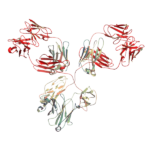
| Product Name | In Vivo Grade Recombinant Anti-human MHC Class Il HLA-DP/DQ/DR Monoclonal Antibody (Clone: IVA12), Mouse IgG1 Kappa |
| Supplier Name | Syd Labs, Inc. |
| Brand Name | Syd Labs |
| Synonyms | H2-AB1, Abeta, H-2Ab, H2-Ab, I-Abeta, IAb, Ia-2, Ia2, Rmcs1 |
| Clone | IVA12. |
| Isotype | Mouse IgG1 Kappa. |
| Source/Host | The anti-human MHC Class II HLA-DP/DQ/DR monoclonal antibody (clone: IVA12) was produced in mammalian cells. |
| Specificity/Sensitivity | The in vivo grade recombinant mouse monoclonal antibody (clone: IVA12) specifically binds to human MHC Class II HLA-DP/DQ/DR. |
| Applications | ELISA, neutralization, functional assays such as bioanalytical PK and ADA assays, and those assays for studying biological pathways affected by the human MHC Class II HLA-DP/DQ/DR protein. |
| Form Of Antibody | 0.2 uM filtered solution, pH 7.4, no stabilizers or preservatives. |
| Endotoxin | < 1 EU per 1 mg of the protein by the LAL method. |
| Purity | >95% by SDS-PAGE under reducing conditions and HPLC. |
| Shipping | The in vivo grade recombinant anti-human MHC Class II HLA-DP/DQ/DR monoclonal antibody of clone IVA12 is shipped with ice pack. Upon receipt, store it immediately at the temperature recommended below. |
| Stability & Storage | Use a manual defrost freezer and avoid repeated freeze-thaw cycles. 12 months from date of receipt, -20 to -70°C as supplied. 1 month from date of receipt, 2 to 8°C as supplied. |
| Note | Recombinant mouse IgG1 isotype controls are available. Condition of sample preparation and optimal sample dilution should be determined experimentally by the investigator. |
| Order Offline | Phone: 1-617-401-8149 Fax: 1-617-606-5022 Email: message@sydlabs.com Or leave a message with a formal purchase order (PO) Or credit card. |
Description
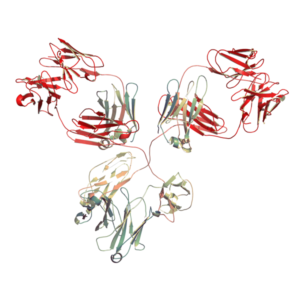
PA007618.m1:In Vivo Grade Recombinant Anti-human MHC Class II HLA-DP/DQ/DR Monoclonal Antibody (Clone: IVA12), Mouse IgG1 Kappa
Recombinant Mouse IgG1 Monoclonal Antibody.
References of Anti-Human MHC Class II (HLA-DP/DQ/DR) Monoclonal Antibody (Clone: IVA12)
1. Identification of immunogenic HLA class I and II neoantigens using surrogate immunopeptidomes.
Tokita, S., et al.Sci Adv. 2024 Sep;10(38):eado6491. doi: 10.1126/sciadv.ado6491. PMID: 39292790
“T cells distinguish between cancer and normal cells by recognizing the neoantigens presented by HLA molecules. …Neoantigens play a critical role in T cell activation and have potential clinical applications as targets for T cell–based tumor immunotherapies, such as vaccination. …However, these approaches require fresh or fresh-frozen tumor tissue, or live TILs, which are not always available in clinical settings, limiting the number of patients who can benefit from these analytical options. …Here, we present a method for neoantigen identification using a unique proteogenomic pipeline that differs from currently available tools. …Conventional proteogenomic approaches using MS comprehensively scan the immunopeptidomes of tumor cells or tissues, revealing thousands of HLA-presented peptide sequences per sample, mostly consisting of nonmutated wild-type peptides.”
2. FVIII peptides presented on HLA-DP and identification of an A3 domain peptide binding with high affinity to the commonly expressed HLA-DP4.
Miranda, M., et al.Haematologica. 2025 Jun;110(6):1316-1327. doi: 10.3324/haematol.2024.286204. PMID: 39665218
“DC take up FVIII antigens through various endocytic processes and present FVIII-derived peptides on MHC class II molecules. …Immunodominant T-cell epitopes that trigger inhibitor development in hemophilia A patients derive from the repertoire of FVIII peptides displayed on MHC class II. …MHC class II molecules are encoded by the classical human leukocytes antigen (HLA)-DR, HLA-DQ and HLA-DP alleles and the non-classical MHC II molecules HLA-DM and HLA-DO on chromosome 6. …In accordance with previous findings our data further confirm that many peptides are derived from proteins involved in the MHC class II pathways and, more broadly, in the “immune system process” (Online Supplementary Figure S1B). …FVIII peptides presented on both HLA-DR and HLA-DP were predicted to bind with the same core peptide sequences to both MHC class II molecules.”
3. HLA class II neoantigen presentation for CD4+ T cell surveillance in HLA class II-negative colorectal cancer.
Matsumoto, S., et al.Oncoimmunology. 2024 Dec 31;13(1):2404665. doi: 10.1080/2162402X.2024.2404665. PMID: 39508845
“IVA12 Flow cytometry was performed using FACS Canto II (BD) and FACS Diva (BD) with staining antibodies as follows: CD3 FITC (clone UCHT1, BD, Cat# 555332), CD4 PE (clone RPA-T4, BD, Cat# 555347), CD8 APC (clone RPA-T8, BD, Cat# 561421), CD45RA FITC (clone HI100, BD, Cat# 555488), CCR7 PE (clone 150,503, R&D Systems, Cat# FAB197P), CD45RO PE (clone UCHL1, Biolegend, Cat# 304206), CD62L PE-Cy5 (clone DREG-56, BD, Cat# 555545), CD11b FITC (clone ICRF44, Biolegend, Cat# 301330), CD11c FITC (clone KB90, DAKO, Cat# F0713), CD68 PE (clone Y1/82A, Biolegend, Cat# 333808), CD80 PE (clone 2D10, Biolegend, Cat# 305207), CD86 PE (clone FM95, Miltenyi Biotec, Cat# 130-114-098), HLA class I (W6/32), HLA class II (IVA12), HLA-DR (L243), Fluorescein Labeled Affinity Purified Antibody Goat Anti-Mouse IgG+IgM (H+L) HSA (KPL, Cat# 02-18-09). …Formalin-fixed paraffin-embedded tumor tissues were stained with hematoxylin and eosin or with the following antibodies using an automated staining system (Dako): anti-pan HLA class I (EMR8–5, Hokudo), anti-pan HLA class II (IVA12, ATCC), anti-MLH1 (ES05, DAKO M3640), anti-PMS2 (EP51, DAKO), anti-MSH2 (FE11, DAKO), and anti-MSH6 (EP49, DAKO). …Samples were loaded into a nano-flow LC (Easy-nLC 1000 system, Thermo) online coupled to an Orbitrap mass spectrometer equipped with a nanospray ion source (Q Exactive Plus, Thermo). …WES and subsequent analysis were performed as previously described. …Proteogenomic neoantigen identification was performed as previously described.”
4. HLAII peptide presentation of infliximab increases when complexed with TNF.
Casasola-LaMacchia, A., et al.Front Immunol. 2022 Sep 13;13:932252. doi: 10.3389/fimmu.2022.932252. PMID: 36177046
“Overlapping proteins included those involved in mechanisms of HLAII-antigen presentation (i.e., MHC class II protein complex assembly). …Immunoprecipitation of total HLAII was carried out by adding 400 µg of anti-panHLAII antibody (purified from anti-HLA-DP/DQ/DR antibody ATCC IVA12 HB-145 hybridoma). …Bead bound complexes (HLAII-mAb-beads) were collected on 96-well filter plates (Agilent, 204495-100) and flow-through was collected in 2 mL well collection plates (Agilent, 201240-100). …A polygon filter was applied to the m/z and ion mobility pane to select features most likely representing peptide precursors rather than singly charged background ions. …The hydrodynamic diameter of TNF and each antagonist was compared to that of freshly formed complexes with TNF in fourteen independent experiments by DLS. …The effect of TNF antagonists and their complexes with TNF on HLAII peptide presentation was investigated next.”
5. Unsupervised Mining of HLA-I Peptidomes Reveals New Binding Motifs and Potential False Positives in the Community Database.
Sricharoensuk, C., et al.Front Immunol. 2022 Mar 21;13:847756. doi: 10.3389/fimmu.2022.847756. PMID: 35386688
“Cells were cultured in RPMI 1640 media supplemented with 10% fetal bovine serum, 50 U/ml penicillin in a humidified incubator at 37 °C with 5% CO2. Purified pan HLA-A, -B, -C and pan HLA-DR, -DP, -DQ antibodies were generated from W6/32 (ATCC, USA) and IVA12 (provided by the lab of Professor Anthony Purcell, Monash University, Australia) hybridoma cells cultured in RPMI 1640 media supplemented with 10% fetal bovine serum, 50 U/ml penicillin and expanded in roller bottles at 37 °C with 5% CO2. …To test whether tryptic peptides identified alleles whose motifs do not end with an arginine or a lysine are specifically recognized by the corresponding alleles, and thus may be true ligands, predicted binding affinities for the observed tryptic peptide-HLA allele pairs were compared with the predicted binding affinities between random pairs. …A by-product of unsupervised motif clustering is the designation of outlier peptides that do not fit into any motif. Here, a peptide is labeled as an outlier if the quality of the motif clustering, as measured by Kullback-Liebler distance in GibbsCluster, is improved by removing the peptide from the analysis. …Each peptidomics sample was processed twice through the mass spectrometer with slightly different settings on the accepted precursor charge states: one accepting all precursors and another accepting only precursors with 2+ or higher charge state. …To illustrate how our proposed unsupervised analysis can be applied to a newly generated peptidomics dataset, motif clustering, binding affinity prediction, and tryptic peptide identification were applied to the newly generated B-lymphoblastoid (BLCL1408-1038) HLA class I peptidomes.”
6. Biomarkers of tumor-reactive CD4+ and CD8+ TILs associate with improved prognosis in endometrial cancer.
Palomero, J., et al.J Immunother Cancer. 2022 Dec;10(12):e005443. doi: 10.1136/jitc-2022-005443. PMID: 36581331
“For anti-MHC-II blocking experiments, we used the IVA12 antibody, an anti-panHLA-II (ATCC HB-145 hybridoma, anti-HLA-DP/DQ/DR antibody). The irrelevant TCLs used in some of the co-cultures can share HLA-I and HLA-II haplotypes with the autologous one being tested. …For MHC-II induction, cells were incubated with 30 ng/mL rhIFN-γ for 3 days or transduced with human Class II Major Histocompatibility Complex Transactivator (hCIITA)+/- lentiviral vectors. …Next, we screened the sorted and expanded CD4 subpopulations against the autologous MHC-II+TCLs. …Co-cultures with an irrelevant TCL provided the specificity control (irrelevant TCL). To ensure optimal MHC-II expression, POLE-mutated 1 and MMRd/MSI TCLs were lentivirally transduced with human CIITA (hCIITA+autologous TCL) whereas POLE-mutated 2 and CNL TCLs were incubated overnight with 30 ng/mL IFN-γ (autologous TCL +IFN-γ). …For POLE-mutated 1 and 2, tumor reactivity of CD4+PD-1hi and CD4+CD39+ was confirmed to be MHC-II restricted, since MHC-II blockade abrogated (POLE-mutated 1) or reduced (POLE-mutated 2) tumor recognition.”
7. Immunogenicity risk assessment for biotherapeutics through in vitro detection of CD134 and CD137 on T helper cells.
Cohen, S., et al.MAbs. 2021 Jan-Dec;13(1):1898831. doi: 10.1080/19420862.2021.1898831. PMID: 33729092
“PBMCs (2 × 10^6 cell/mL) were incubated in the presence of 100 µg/ml anti-HLA-pan antibody (IVA12) for 42–48 h at 37 °C with or without the presence of bococizumab. …In vitro T cell assays to screen for immunogenicity are used for preclinical testing (reviewed in Ref. 8), and such screening is recommended, but not required, by some of the health authorities. …One of the major advantages of the CD134/CD137 T cell activation assay is that those steps are not required, thus enabling improved throughput and reducing cost and labor. …We also found low amounts of these markers on CD4+ T cells stimulated with biotherapeutics with low clinical ADA frequency. …As the CD134/CD137 T cell activation assay becomes more common and widely use in the industry, the statistical power of the predictive ability of this assay in evaluating ADA risk will be clearer.”
8. Applying MAPPs Assays to Assess Drug Immunogenicity.
Karle, A. C., et al.Front Immunol. 2020 Apr 21;11:698. doi: 10.3389/fimmu.2020.00698. PMID: 32373128
“MAPPs (MHC-associated peptide proteomics) is one of the assays best characterized regarding its value for immunogenicity potential assessment. …For several years, MAPPs (MHC associated peptide proteomics) has been applied on many different types of immunological questions (Table 1) and can be considered as the assay best characterized regarding its value for immunogenicity potential assessment. …Interestingly, this cluster in LFR1 was identified in our hands using anti-pan class II antibody clone IVA12 in an independent study (data not shown). …HLA class II molecules were immunoprecipitated with anti-HLA-DR/DP/DQ monoclonal antibody IVA12-conjugated beads and peptides were eluted from HLA class II molecules by adding 0.1% trifluoroacetic acid (Fluka, Buchs, Switzerland) at 37 °C. …Another mechanistic study employed MAPPs to interrogate two potential modes of action of intravenous immunoglobulin (IVIg), which is commonly used in the clinic to treat autoimmune and severe inflammatory diseases.”
9. Deciphering and predicting CD4+ T cell immunodominance of influenza virus hemagglutinin.
Cassotta, A., et al.J Exp Med. 2020 Oct 5;217(10):e20200206. doi: 10.1084/jem.20200206. PMID: 32644114
“For antigen recognition, CD4+ T cells rely on the interaction with antigen-presenting cells (APCs) that take up, process, and present antigen in the form of short linear peptides bound to MHC class II (MHC-II) molecules. …In vitro refolding assays performed in the presence of titrated peptides showed that the immunodominant H1-HA401–420 and H1-HA411–430 peptides bound to HLA-DRB1*08:01 molecules with an affinity that was comparable to that of subdominant peptides binding to the same HLA-DR (Fig. S1 C), indicating that immunodominance of these peptides is not explained by preferential binding to MHC class II molecules. …These immunodominant peptides were readily identified by MS-based analysis of peptides eluted from MHC class II molecules isolated from DCs or H1-HA–specific B cell clones and could be better predicted taking into account the HA structural accessibility to proteolytic cleavage. …The MHC class II peptidome defines H1-HA immunodominant regions targeted by memory CD4+ T cells. …The chart at the bottom indicates HA1 and HA2 domains colored in blue and red, respectively (FP, fusion peptide; TM, transmembrane).”
10. Characterization of an Immunogenic Mutation in a Patient with Metastatic Triple-Negative Breast Cancer.
Assadipour, Y., et al.Clin Cancer Res. 2017 Aug;23(15):4347-4353. doi: 10.1158/1078-0432.CCR-16-1423. PMID: 28377481
“A mutated peptide from 4051-TIL was used as a negative control (ENSG00000132837, QWKDRAETVIIGDGCVGVSLAYHLA). MHC class II epitope predictions were done using NetMHCIIpan3.1. …Similar findings were observed following coculture of 4062-TILs (F9) with B cells electroporated with TMG3 mRNA, which corresponds to the same mutated peptides present in PP3 (Supplementary Fig. S1), suggesting that the exogenous mutated antigen can be processed and cross-presented in the context of MHC class II. …62-TIL (F9) recognition of RBPJc.A611T/p.H204L was blocked by both a pan anti-MHC class II and anti-HLA-DR antibody (Fig. 3A; Supplementary Fig. S2). …A, HLA-blocking assay demonstrating MHC class II and HLA-DR restriction. …RBPJ is a ubiquitously expressed nuclear protein that, in the absence of Notch, binds DNA promoter sites and acts as a transcriptional repressor.”
11. ‘Hotspots’ of Antigen Presentation Revealed by Human Leukocyte Antigen Ligandomics for Neoantigen Prioritization.
Müller, M., et al.Front Immunol. 2017 Oct 20;8:1367. doi: 10.3389/fimmu.2017.01367. PMID: 29104575
“W6/32 (anti-pan-HLA-I) and IVA12 (anti-pan-HLA-II) monoclonal antibodies were purified from the supernatant of HB95 and HB145 cells, respectively, as previously described (17). …Immuno-affinity purification from tissues was performed by passing the cleared lysates through Protein-A Sepharose beads, then through Protein-A Sepharose beads covalently bound to W6-32 antibodies, and finally through beads covalently bound to IVA12 antibodies. …The MHC protein complex was enriched (6.88E-03), while membrane proteins in general were depleted (3.87E-02). …The MHC protein complex was also similarly enriched (3.31E-04) as it was in “type I,” while the SNARE complex (1.37E-02) and the vesicle coat (3.37E-02), the proton-transporting ATP synthase complex located to the mitochondria (2.3E-02) were uniquely enriched in “type II” (Figure 2B; Figure S4 in Supplementary Material). …Naturally, tissue specificity will further restrict the presentation of the antigens.”
12. HLA class I binding 9mer peptides from influenza A virus induce CD4 T cell responses.
Wang, M., et al.PLoS One. 2010 May 7;5(5):e10533. doi: 10.1371/journal.pone.0010533. PMID: 20479886
“The NetCTL method uses a combined prediction score for MHC class I affinity, TAP transport efficiency, and C-terminal proteasomal cleavage as a weighted sum of the three individual prediction scores. …For MHC class I affinity, the NetMHC-3,0 method is used. For TAP transport efficiency, the method of Peters et al. …To block pan HLA-II-restricted responses, 10 µg/ml anti-pan HLA-II monoclonal antibody IVA12 (ATCC, Rockville, MD, USA) was added; to block HLA-II subtype specific responses, 10 µg/ml of anti-DR (L243, ATCC), anti-DQ (SPV-L3, IgG2a, a kind gift from Dr. H.Spits, DNAX, CA, USA) and anti-DP (B7/21, Abcam, USA) specific antibodies were added. …In the ELISPOT assay, five peptides induced responses that could be totally blocked by the pan-specific anti-HLA-I antibody W6/32, whereas 15 peptides induced responses that could be completely blocked in the presence of the pan-specific anti-HLA class II (HLA-II) antibody IVA12. …Of the remaining 6 peptides reactivity against 5 peptides could be blocked by W6/32 but not by IVA12 antibody, whereas neither of the antibodies blocked reactivity against peptide PF137.”
For more technical references or data sheets regarding the Recombinant Anti-Human MHC Class II (HLA-DP/DQ/DR) Monoclonal Antibody (Clone: IVA12) formats, or related products from Syd Labs, please contact our scientific support team at message@sydlabs.com.
In Vivo Grade Recombinant Anti-human MHC Class Il HLA-DP/DQ/DR Monoclonal Antibody (Clone: IVA12), Mouse IgG1 Kappa from: In Vivo Grade Recombinant Anti-human MHC Class Il HLA-DP/DQ/DR Monoclonal Antibody (Clone: IVA12), Mouse IgG1 Kappa: PA007618.m1