

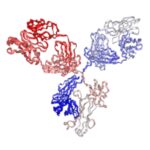
Anti-mouse NK1.1 Antibody (Clone: PK136) | PA007525.m2a
$150.00 – $900.00
Recombinant mouse IgG2a isotype controls are available. Condition of sample preparation and optimal sample dilution should be determined experimentally by the investigator.

- Details & Specifications
- References
| Catalog No. | PA007525.m2a |
|---|---|
| Product Name | Anti-mouse NK1.1 Antibody (Clone: PK136) | PA007525.m2a |
| Supplier Name | Syd Labs, Inc. |
| Brand Name | Syd Labs |
| Synonyms | KLRB1C, CD161, Ly-59, NK-RP1, NK-1, Nk-1.2, Nkrp1c, Ly-55c |
| Clone | PK136. |
| Isotype | Mouse IgG2a kappa. |
| Source/Host | The anti-mouse NK1.1 monoclonal antibody (clone: PK136) was produced in mammalian cells. |
| Specificity/Sensitivity | The in vivo grade recombinant mouse monoclonal antibody (clone: PK136) specifically binds to mouse NK1.1. |
| Applications | ELISA, neutralization, functional assays such as bioanalytical PK and ADA assays, and those assays for studying biological pathways affected by the mouse NK1.1 protein. |
| Form Of Antibody | 0.2 uM filtered solution, pH 7.4, no stabilizers or preservatives. |
| Endotoxin | < 1 EU per 1 mg of the protein by the LAL method. |
| Purity | >95% by SDS-PAGE under reducing conditions and HPLC. |
| Shipping | The in vivo grade recombinant anti-mouse NK1.1 monoclonal antibody of clone PK136 is shipped with ice pack. Upon receipt, store it immediately at the temperature recommended below. |
| Stability & Storage | Use a manual defrost freezer and avoid repeated freeze-thaw cycles. 12 months from date of receipt, -20 to -70°C as supplied. 1 month from date of receipt, 2 to 8°C as supplied. |
| Note | Recombinant mouse IgG2a isotype controls are available. Condition of sample preparation and optimal sample dilution should be determined experimentally by the investigator. |
| Order Offline | Phone: 1-617-401-8149 Fax: 1-617-606-5022 Email: message@sydlabs.com Or leave a message with a formal purchase order (PO) Or credit card. |
Description
PA007525.m2a: In Vivo Grade Recombinant Anti-mouse NK1.1 Monoclonal Antibody (Clone: PK136), Mouse IgG2a Kappa
Recombinant mouse IgG2a Monoclonal Antibody.
References of Anti-mouse NK1.1 Monoclonal Antibody:
Selective targeting of IL-2 to NKG2D bearing cells for improved immunotherapy.
Ghasemi, R., et al. Nat Commun. 2016 Sep 21;7:12878. doi: 10.1038/ncomms12878. PMID: 27650575
Data were acquired flow cytometrically and is representative of three separate experiments with MFI comparison of PE-labelled constructs on NK cells (viable, NK1.1+, CD3?, CD19?). … NK cells were defined as viable, NK1.1+CD3?CD19?. … For NK cell depletion, mice were treated with anti-NK1.1 antibody (clone PK136) or mouse IgG isotype control (both from BioXcell) at 500 ?g day ?2, 250 ?g day ?1 and 250 ?g weekly for the duration of the experiment. … Data representative of 5 mice per group for both NK1.1 depleted and NKG2D deficient mice. (f) LLC tumour growth in C57BL/6Rag1?/? mice. …Increased efficacy of OMCP-mutIL-2 immunotherapy disappears in NKG2D?/? or NK1.1 depleted mice.
Tags: anti-mouse NK1.1 PK136; anti-mouse NK1.1 PK136 antibody
NLRC5 shields T lymphocytes from NK-cell-mediated elimination under inflammatory conditions.
Ludigs, K., et al. Nat Commun. 2016 Feb 10;7:10554. doi: 10.1038/ncomms10554. PMID: 26861112
(b) H2-K and H2-D expression, depicted as mean fluorescence intensity (MFI), was analysed by flow cytometry on splenic CD4+ and CD8+ T cells (CD3+CD4+ and CD3+ CD8+, respectively), NK cells (NK1.1+CD3 ?), B cells (CD19+) and DCs (CD11c high) from Nlrc5 fl/fl, Nlrc5 ?/? and B2m ?/? mice. … In some mice, NK cells were depleted by intraperitoneal injection of 200 ?g of ?-NK1.1 antibody (PK-136, purchased from BioXcell) 1?2 days before cell transfer. … NK cells were isolated using the NK-cell-negative selection kit from StemCell Technologies (Grenoble, France), according to the manufacturer’s recommendations. … NK1.1 (PK-136, 1:100), NKp46 (29A1.4, 1:100), Qa2 (69H1-9-9, 1:200), Rae1? (RD-41, 1:75) (all from eBioscience), H2-L d (28-14-8, 1:200), Ly49H (3D10, 1:100) and Ly49C/I (5E6, 1:100; from BioLegend). … In some mice, NK cells were depleted as described above.
Tags: anti-mouse NK1.1 PK136 in animal model; anti-mouse NK1.1 PK136 antibody in animal model
PD-1 blockade and OX40 triggering synergistically protects against tumor growth in a murine model of ovarian cancer.
Guo, Z., et al. PLoS One. 2014 Feb 27;9(2):e89350. doi: 10.1371/journal.pone.0089350. PMID: 24586709
Therapeutic anti-OX40 (Clone OX-86; Catalog#:BE0031), anti-PD-1 (Clone RMT3-23; Catalog#BE0115), anti-CD4 (Clone GK1.5; Catalog#:BE0003-1), anti-CD8 (Clone 2.43; Catalog#:BE0061), anti-NK1.1 (Clone PK136; Catalog#:BE0036) and control rat IgG2a mAb (Clone 2A3; Catalog#:BE0089) were purchased from BioXcell (West Lebanon, NH). … For depletion of lymphocyte subsets, mice were injected i.p. with 500 ?g of mAb against CD8, CD4, or NK1.1, 1 day before and two days after tumor challenge, followed by injection of 200 ?g every 5 days throughout the experiment. … Lymphocyte subset depletion experiments demonstrated that tumor protection by anti-PD-1/OX40 mAbs was dependent on the CD4+ and CD8+ T cells as removal of CD4+ or CD8+ T cells but not NK cells completely abrogated the antitumor effect conferred by anti-PD-1/OX40 mAb treatment. … Mice (5 mice per group) injected i.p. with 1×10⁶ ID8 cells 10 day earlier were injected thrice at 4 days interval with 200 ?g of control, single or combined anti-PD-1/OX40 mAb. Three or seven days later, peritoneal lavages from treated mice were analyzed by flow cytometry for the composition of various immune subsets. … The percentages of CD4+FoxP3? T cells, CD8+ T cells, CD4+FoxP3+ Treg and CD11b+GR-1+ MDSC in CD45+ peritoneal immune cells are shown in A, B, C and D respectively with each dot representing data from each mouse.
Tags: anti-mouse NK1.1 PK136 antibody in vivo; anti-mouse NK1.1 PK136 in mouse tumor model
Animal model of respiratory syncytial virus: CD8+ T cells cause a cytokine storm that is chemically tractable by sphingosine-1-phosphate 1 receptor agonist therapy.
Walsh, K. B., et al. J Virol. 2014 Jun;88(11):6281-93. doi: 10.1128/JVI.00464-14. PMID: 24672024
For cell depletion experiments, 250 ?g of anti-NK1.1 (PK136; Bioxcell) and/or 500 ?g of anti-CD8 (53-6.72; Bioxcell) antibodies were administered i.p. to mice 1 day before and 1 day after infection. … Isolated cells were stained with antibodies raised against murine CD11b (M1/70), CD11c (HL3), Ly6C (HK1.4), Ly6G (1A8), F480 (BM8), NK1.1 (PK136), CD3e (145-2C11), CD4 (L3T4), CD8a (53-6.7), CD90.2 (53-2.1), B220 (RA3-6B2), CD103 (M290), CD69 (HI.2F3), CD44 (IM7), CD40 (MH40-3), CD80 (16-10A1), CD86 (GL1), PD-L1 (MIH5), H-2Kb (AF6-88.5), and I-A/I-E (M5/114.15.2). … Cytokine production by NK cells and CD8+ T cells within the lung on day 5 after PVM infection was determined by 5 h of incubation of single-cell suspensions in culture medium (RPMI with 10% fetal bovine serum [FBS], 2 mM l-glutamine, and 100 U [each] of penicillin-streptomycin) with 4 ?g/ml brefeldin A (Sigma, St. Louis, MO, USA) in the absence of exogenous stimulation. …NK cells and CD8+ T cells were stained for surface antigen (NK1.1+ CD3? and CD8+ CD90.2+, respectively), fixed, permeabilized with 2% saponin, and then stained for intracellular proteins with fluorescently labeled antibodies specific for murine IFN-? (XMG1.2) and TNF-? (MP6-XT22). … In flow cytometric analysis, lung infiltrates of mice given RP-002 showed significantly fewer CD8+ T cells and NK cells than vehicle on day 5 postinfection.
Tags: function of anti-mouse NK1.1 PK136; function of anti-mouse NK1.1 PK136 mAb
Therapeutic efficacy of bifunctional siRNA combining TGF-?1 silencing with RIG-I activation in pancreatic cancer.
Ellermeier, J., et al. Cancer Res. 2013 Mar 15;73(6):1709-20. doi: 10.1158/0008-5472.CAN-11-3850. PMID: 23338611
Where indicated, CD8? T cells or NK cells were depleted one day before RNA treatment with 500 ?g of anti-CD8 monoclonal antibody (mAb; clone YTS 169.4) or anti-NK1.1 mAb (clone PK136; BioXCell). … Depletion efficacy was assessed by fluorescence-activated cell sorting (FACS) analysis of peripheral blood and was more than 98% after 24 hours. … Therapeutic efficacy was dependent on CD8? T cells, whereas natural killer cells were dispensable. … Intravenous injection of ppp-TGF-? reduced systemic and tumor-associated TGF-? levels. … In addition, it induced high levels of type I IFN and CXCL10 in serum and tumor tissue, systemic immune cell activation, and profound tumor cell apoptosis in vivo.
Tags: anti-NK1.1 (PK136) monoclonal antibody; mouse NK1.1 antibody (clone PK136)
Macrophage and T cell produced IL-10 promotes viral chronicity.
Richter, K., et al. PLoS Pathog. 2013;9(11):e1003735. doi: 10.1371/journal.ppat.1003735. PMID: 24244162
Depletion of NK-like cells was performed by i.p. administration of 300 ?g ?NK1.1 (PK136, BioXCell) on days -3 and -1 (depletion efficacy of 96% while the percentage of CD3+ cells was not affected). … NK cells constituted 0.96±0.23% of the splenocytes on day 2 and 1.81±0.13% on day 5 post infection while NKT cells accounted for 0.11±0.05% on day 2 and 0.2±0.03% on day 5. … Depletion of neutrophils, CD4+ or CD8+ T cells, CD25+ T cells and B cells did not lead to a decrease in the overall IL-10 mRNA levels. …Unexpectedly, depletion of NK-like cells did not result in overall decreased IL-10 mRNA levels despite the high IL-10 mRNA expression level in purified cells. … NK cells were isolated from splenocytes on day 7 after i.p. infection with 5×10⁴ pfu MCMV Smith by magnetic negative selection of CD3+ and CD19+ cells and subsequent FACS sorting of CD3? NK1.1+ cells.
Tags: anti-mouse NK1.1 PK136 in animal model; anti-mouse NK1.1 PK136 antibody in animal model
For more references about Anti-mouse NK1.1 Monoclonal Antibody please contact our scientific support team with message@sydlabs.com.
In Vivo Grade Recombinant Anti-mouse NK1.1 Monoclonal Antibody (Clone: PK136), Mouse IgG2a Kappa from: In Vivo Grade Recombinant Anti-mouse NK1.1 Monoclonal Antibody (Clone: PK136), Mouse IgG2a Kappa: PA007525.m2a Syd Labs
You may also like…
- Select optionsQuick View