
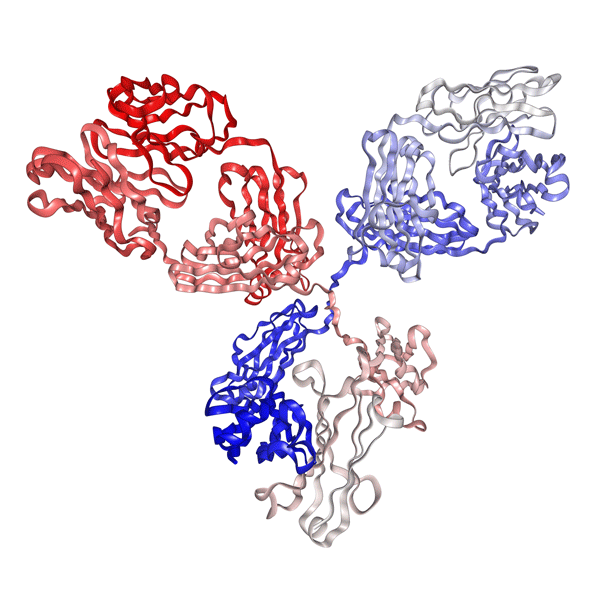
Biotinylated Anti-mouse CSF1R (CD115) Antibody (AFS98, Human IgG1 Fc Silent Kappa)
$135.00 – $270.00
Recombinant rat anti-mouse CD115 / CSF-1R monoclonal antibody (Clone AFS98, Biotinylated), engineered with a Human IgG1 Fc-Silent domain to minimize non-specific Fc receptor binding during flow cytometry and macrophage research. Variable regions are derived from the classic rat anti-mouse CD115 clone AFS98 and recombinantly expressed in mammalian cells. For human T cell research, Syd Labs OKT3 antibodies are also available.
- Form & Conjugation: Biotinylated, Flow Cytometry Grade
- Applications: Flow Cytometry (FC), Macrophage Depletion, Functional Assays
- Alternative Formats: Non-biotinylated FC grade, unconjugated in vivo grade, and Syd Labs OKT3 antibodies are also available.
- Details & Specifications
- References
| Catalog No. | PA007716.h1Fs-b |
|---|---|
| Product Name | Biotinylated Recombinant Anti-mouse CSF1R (CD115) Monoclonal Antibody (Clone: AFS98), Human IgG1 Fc Silent Kappa |
| Supplier Name | Syd Labs, Inc. |
| Brand Name | Syd Labs |
| Clone | AFS98 |
| Isotype | Human IgG1 Fc Silent Kappa |
| Source/Host | The site-directed biotinylated anti-mouse CD115 monoclonal antibody (clone: AFS98) was produced in mammalian cells. |
| Specificity/Sensitivity | The site-directed biotinylated recombinant AFS98 antibody specifically binds to mouse CD115. |
| Applications | Flow cytometry (FC) with various dye conjugation through streptavidin; conjugation to streptavidin agarose beads or streptavidin magnetic beads. |
| Form Of Antibody | 0.2 uM filtered solution, pH 7.4, no stabilizers or preservatives. |
| Conjugate | Biotin-conjugated. |
| Purity | >95% by SDS-PAGE under reducing conditions. |
| Shipping | The AFS98 antibody is shipped with ice pack. Upon receipt, store it immediately at the temperature recommended below. |
| Stability & Storage | Use a manual defrost freezer and avoid repeated freeze-thaw cycles. 12 months from date of receipt, -20 to -70°C as supplied. 1 month from date of receipt, 2 to 8°C as supplied. |
| Note | Recombinant rat IgG2a isotype controls and recombinant human IgG1 isotype controls are available. Condition of sample preparation and optimal sample dilution should be determined experimentally by the investigator. |
| Order Offline | Phone: 1-617-401-8149 Fax: 1-617-606-5019 Email: message@sydlabs.com Or leave a message with a formal purchase order (PO) Or credit card. |
Description
PA007716.h1Fs-b: Biotinylated Recombinant Anti-mouse CD115 Monoclonal Antibody (Clone: AFS98), Human IgG1 Fc Silent Kappa
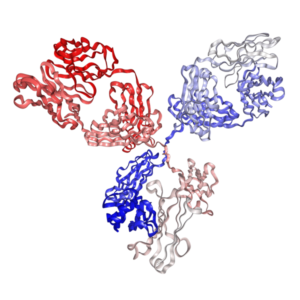
Recombinant human IgG1 monoclonal antibody with site-directed biotinylation through the Avi tag at the C-terminus of the antibody heavy chain.
References of Anti-Mouse CD115 Monoclonal Antibody (Clone: AFS98):
Lim, A. K. H., et al. Diabetologia. 2009 Aug;52(8):1669-79. PMID: 19466391
“Periglomerular and interstitial levels of ?-SMA were seen in accumulating myofibroblasts in a diabetic kidney from b a db/db mouse receiving control mAb; levels were reduced in c a diabetic db/db mouse treated with AFS98 mAb. …Additional collagen IV deposition was found in the expanded mesangium and interstitial areas of a diabetic kidney from e a diabetic db/db mouse given control mAb; deposition was reduced in f a diabetic db/db mouse treated with AFS98 mAb. …The elevated kidney levels of b phospho-ERK and c phospho-p38 in diabetic db/db mice given control mAb were not different from those of mice given AFS98 treatment. …Our primary outcome was that AFS98 treatment reduced kidney macrophages in diabetic db/db mice. …Another possibility is that the activation of glomerular macrophages is regulated indirectly by the effects of the diabetic milieu on mesangial cells or podocytes through cytokine secretion or cell-cell interactions and that these are unaffected by AFS98.”
Murayama, T., et al. Circulation. 1999 Apr 6;99(13):1740-6. PMID: 10190885
“To elucidate the central role of macrophage and macrophage-colony stimulating factor (M-CSF) during atherogenesis, we used a new strategy to administer to adult apolipoprotein E (apoE)-deficient mice a monoclonal antibody (AFS98) raised against c-fms, the receptor of M-CSF. …In contrast, when apoE-deficient mice that had been fed a high-fat diet from 6 weeks of age were given AFS98 from 12 to 18 weeks of age, a minimal protective effect on lesion size was observed. …AFS98, a rat monoclonal anti-murine c-fms antibody (IgG2a), which inhibits M-CSF-dependent colony formation and cell growth by blocking the binding of M-CSF to its receptor, has been described previously. …Because AFS98 protected fatty streak formation, we next tested whether the antibody could have a similar preventive effect on the more advanced lesions. …To confirm that the effect was specific for anti-c-fms antibody, we conducted additional experiments.”
Bonnefoy, J. Y., et al. Arthritis Rheumatol. 2014 Nov;66(11):2989-3000. PMID: 24623505
“We undertook this study to determine CSF-1R expression in human RA as well as the efficacy of a specific anti-CSF-1R monoclonal antibody (AFS98) in 2 different animal models of RA. …The efficacy of AFS98 was examined by clinical assessment, histology, and bone histomorphometry in collagen-induced arthritis (CIA) and serum-transfer arthritis. …CSF-1R expression was increased in the synovium of RA patients compared to OA patients and healthy controls in fibroblast-like synoviocytes, follicular dendritic cells, macrophages, and osteoclasts. …In mice, blockade of CSF-1R abrogated cartilage damage, bone erosion, and systemic bone loss, and this was associated with the depletion of osteoclasts in both models. …CSF-1R was broadly expressed in human RA. Blockade of CSF-1R protected against bone and cartilage destruction in both mouse models and also showed significant antiinflammatory effects in the CIA model.”
For more technical references or data sheets regarding the Recombinant Anti-Mouse CD115 Monoclonal Antibody (Clone: AFS98) formats, please contact our scientific support team at message@sydlabs.com or explore options via Syd Labs.
Syd Labs provides the following in vivo grade recombinant anti-mouse CD115 monoclonal antibodies:
Recombinant Anti-mouse CD115 monoclonal antibody (Clone: AFS98)
You may also like…
- -10%
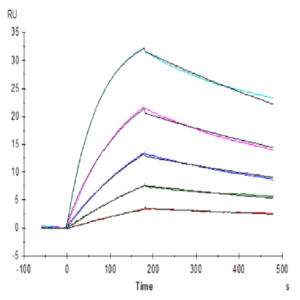
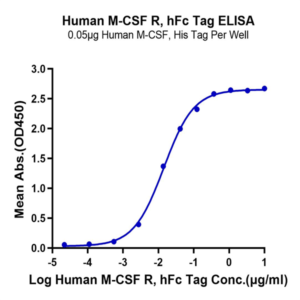 Select optionsQuick ViewProteins & Peptides, Recombinant Protein
Human M-CSF R/CSF1R/CD115 Protein (CSF-HM21R)
$216.00 – $720.00 - -10%
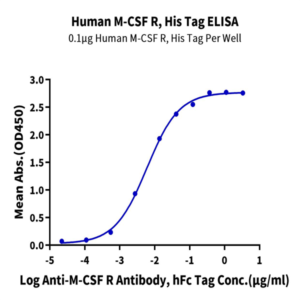
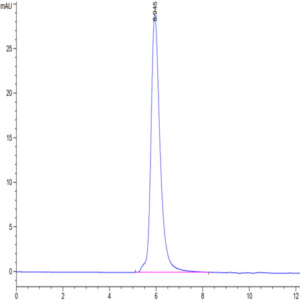 Select optionsQuick ViewProteins & Peptides, Recombinant Protein
Human M-CSF R/CSF1R/CD115 Protein (CSF-HM41R)
$135.00 – $450.00 - -10%
 Select optionsQuick View
- -10%
 Select optionsQuick ViewProteins & Peptides, Recombinant Protein
Mouse M-CSF R/CSF1R/CD115 Protein (CSF-MM11R)
$270.00 – $900.00 -
 Select optionsQuick View
