

Anti-mouse CD115 Antibody (Clone: AFS98) | PA007394.r2a


$150.00 – $900.00
Recombinant rat IgG2a isotype controls are available. Condition of sample preparation and optimal sample dilution should be determined experimentally by the investigator.
- Details & Specifications
- References
| Catalog No. | PA007394.r2a |
|---|---|
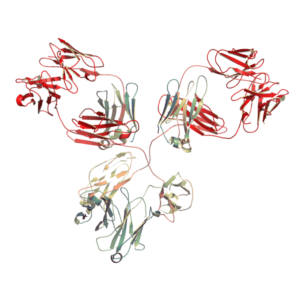
| Product Name | In vivo Grade Recombinant Anti-mouse CSF1R (CD115) Monoclonal Antibody (Clone: AFS98), Rat IgG2a Kappa |
| Supplier Name | Syd Labs, Inc. |
| Brand Name | Syd Labs |
| Synonyms | Colony Stimulating Factor 1 Receptor, CSF1R, Macrophage Colony-stimulating Factor Receptor, M-CSFR |
| Summary | The in vivo grade recombinant anti-mouse CD115 monoclonal antibody (clone: AFS98) was produced in mammalian cells. |
| Clone | AFS98 |
| Isotype | Rat IgG2a Kappa |
| Specificity/Sensitivity | In vivo Grade Recombinant Anti-mouse CD115 Monoclonal Antibody, Rat IgG2a Kappa (Clone: AFS98) specifically binds to mouse CD115. |
| Applications | ELISA, flow cytometry, neutralization, functional assays such as bioanalytical PK and ADA assays, and those assays for studying biological pathways affected by the mouse CD115 protein. |
| Form Of Antibody | 0.2 μM filtered solution of 1x PBS. |
| Endotoxin | < 1 EU per 1 mg of the protein by the LAL method. |
| Purity | >95% by SDS-PAGE under reducing conditions. |
| Shipping | In vivo Grade Recombinant Anti-mouse CD115 Monoclonal Antibody, Rat IgG2a Kappa (Clone: AFS98) is shipped with ice pack. Upon receipt, store it immediately at the temperature recommended below. |
| Stability & Storage | Use a manual defrost freezer and avoid repeated freeze-thaw cycles. 12 months from date of receipt, -20 to -70°C as supplied. 1 month from date of receipt, 2 to 8°C as supplied. |
| Note | Recombinant rat IgG2a isotype controls are available. Condition of sample preparation and optimal sample dilution should be determined experimentally by the investigator. |
| Order Offline | Phone: 1-617-401-8149 Fax: 1-617-606-5022 Email: message@sydlabs.com Or leave a message with a formal purchase order (PO) Or credit card. |
Description
PA007394.r2a: Recombinant Anti-mouse CD115 Monoclonal Antibody (Clone: AFS98), Rat IgG2a Kappa, In vivo Grade
The in vivo grade recombinant anti-mouse CD115 rat IgG2a monoclonal antibody (Clone: AFS98) was produced in mammalian cells.
Background of Anti-mouse CD115 Monoclonal Antibody (Clone: AFS98)
The rat anti-mouse CD115 (CSF1R or M-CSFR) monoclonal antibody AFS98 (rat IgG2a kappa) reacts with the mouse CD115 protein. CSF1R is found in the outer membrane of certain cell types, including microglia and macrophages. CSF1R controls the development, survival, and maintenance of microglia, and is involved in the proliferation, differentiation, and activation of macrophages.
Our recombinant AFS98 antibodies have a part (variable regions) or complete amino acid sequences of the rat anti-mouse CD115 monoclonal antibody (hybridoma clone name or number: AFS98).
References of Anti-Mouse CSF1R (CD115) Monoclonal Antibody (Clone: AFS98)
1. The M-CSF receptor in osteoclasts and beyond.
Mun, et al.Cells. 2021 Apr 9;10(4):814. doi: 10.3390/cells10040814. PMID: 33917392; PMCID: PMC8080670
“The macrophage colony-stimulating factor receptor (M-CSFR, encoded by Csf1r/CD115) is a vital tyrosine kinase receptor that regulates the survival, proliferation, and differentiation of osteoclasts and myeloid lineage cells. … In osteoclasts, M-CSF/M-CSFR signaling cooperates with RANKL to activate key downstream pathways, including the NF-κB and MAPK cascades, which are essential for bone resorption. … Consequently, blocking CD115 signaling has emerged as a major therapeutic strategy to prevent inflammatory bone destruction, osteolytic diseases, and tumor-associated bone metastasis.”
2. Therapeutic Effects of Anti-CD115 Monoclonal Antibody in Mouse Cancer Models through Dual Inhibition of Tumor-Associated Macrophages and Osteoclasts.
Ries, et al.Clin Cancer Res. 2013 Sep 15;19(18):5110-5123. doi: 10.1158/1078-0432.CCR-13-0536. PMID: 23881423; PMCID: PMC3760897
“Tumor-associated macrophages (TAMs) play a pivotal role in promoting tumor progression, immunosuppression, and angiogenesis. … Here, we evaluated the therapeutic efficacy of targeting CD115 (CSF1R) using a monoclonal antibody in syngeneic mouse tumor models. … Treatment with anti-CD115 effectively depleted TAMs in the tumor microenvironment and simultaneously inhibited osteoclast differentiation, leading to a significant reduction in tumor growth and tumor-induced bone osteolysis.”
3. An Early Microglial Response Is Needed To Efficiently Control Herpes Simplex Virus Encephalitis.
Chhatbar, et al.mBio. 2020 Nov 10;11(6):e02279-20. doi: 10.1128/mBio.02279-20. PMID: 33173004; PMCID: PMC7654270
“Microglia are the resident macrophages of the central nervous system and represent the first line of defense against neurotropic viral infections. … Using mouse models of Herpes Simplex Virus 1 (HSV-1) encephalitis, we investigated the requirement for microglial activation in controlling early viral replication. … Pharmacological depletion of microglia via anti-CD115 (CSF1R) monoclonal antibody (clone AFS98) administration resulted in impaired viral containment, extensive brain pathology, and drastically reduced survival rates.”
4. Identification of TNFAIP2 as a unique cellular regulator of CSF-1 receptor activation.
Zhou, et al.Cell Death Dis. 2024 Oct 12;15(10):680. doi: 10.1038/s41419-024-07080-w. PMID: 39391024; PMCID: PMC11821806
“The macrophage colony-stimulating factor receptor (CSF-1R/CD115) governs key survival pathways in mononuclear phagocytes. … In this study, we identified tumor necrosis factor alpha-induced protein 2 (TNFAIP2) as an essential regulator of CSF-1R phosphorylation and internal signaling cascades. … TNFAIP2 depletion attenuates downstream AKT and ERK activation, suggesting that targeting the TNFAIP2/CD115 interaction interface holds therapeutic promise for controlling aberrant macrophage activation in inflammatory disorders.”
5. Repression of SMAD3 by STAT3 and c-Ski induces conventional dendritic cell differentiation.
Nakamura, et al.Nat Commun. 2024 Jul 8;15(1):5712. doi: 10.1038/s41467-024-50012-z. PMID: 38971234; PMCID: PMC11222659
“Dendritic cells (DCs) orchestrate adaptive immunity, and their differentiation from myeloid progenitors is governed by a precise network of cytokine signaling and transcription factors. … We identified a molecular pathway whereby STAT3 and the co-repressor c-Ski cooperatively suppress SMAD3 activity to drive conventional DC commitment. … Furthermore, functional perturbation of CSF1R (CD115) during progenitor culture redirects cell fate from macrophages toward conventional DCs, highlighting the delicate balance of myeloid lineage checkpoint pathways.”
For more technical references or data sheets regarding the Recombinant Anti-Mouse CSF1R (CD115) Monoclonal Antibody (Clone: AFS98) formats, please contact our scientific support team at message@sydlabs.com.
Related Recombinant IgG Reference Antibodies:
In vivo grade recombinant rat IgG2a isotype control antibody
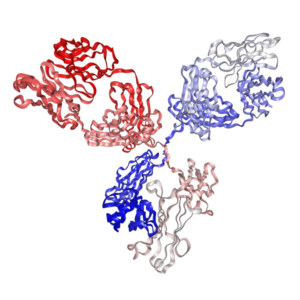
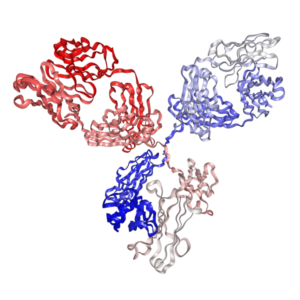
Anti-mouse CD115 Antibody (AFS98) from: Recombinant Anti-mouse CD115 Monoclonal Antibody, Rat IgG2a Kappa (Clone: AFS98): PA007394.r2a Syd Labs
You may also like…
-
 Select optionsQuick View
 -
 Select optionsQuick View