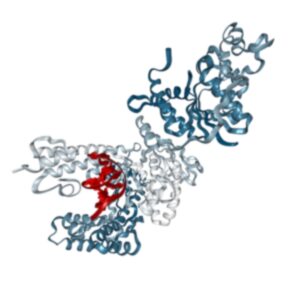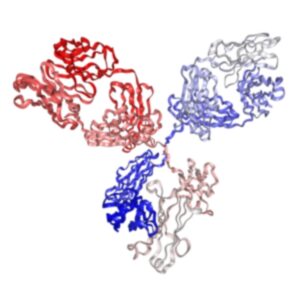
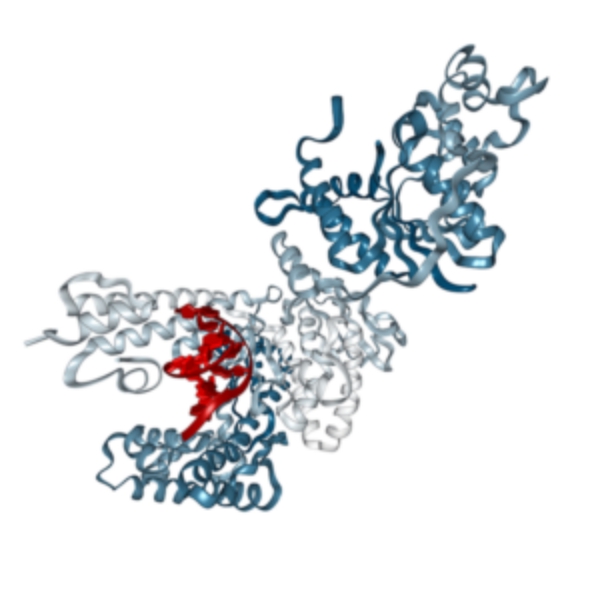

Anti-mouse/human/rat/monkey/hamster/canine/bovine TGF-beta Monoclonal Antibody (Clone: 1D11.16.8) | PA007512.m1

$150.00 – $900.00
Recombinant Mouse IgG1 isotype controls are available. Condition of sample preparation and optimal sample dilution should be determined experimentally by the investigator.
- Details & Specifications
- References
| Catalog No. | PA007512.m1 |
|---|---|
| Product Name | In Vivo Grade Recombinant Anti-mouse/human/rat/monkey/hamster/canine/bovine TGF-beta Monoclonal Antibody (Clone: 1D11.16.8), Mouse IgG1 Kappa |
| Data Sheet | 📄 Download Product Data Sheet (PDF) |
| Supplier Name | Syd Labs, Inc. |
| Brand Name | Syd Labs |
| Synonyms | Transforming Growth Factor-Beta, TGFB, TGF-beta2, TGFB1 |
| Clone | 1D11.16.8 |
| Isotype | Mouse IgG1 Kappa. |
| Specificity/Sensitivity | The in vivo grade recombinant mouse monoclonal antibody (clone: 1D11.16.8) specifically binds to mouse/human/rat/monkey/hamster/canine/bovine TGF-β. |
| Applications | ELISA, flow cytometry, neutralization, functional assays such as bioanalytical PK and ADA assays, and those assays for studying biological pathways affected by the TGF-β protein. |
| Form Of Antibody | 0.2 μM filtered solution of 1x PBS. |
| Endotoxin | Less than 1 EU/mg of protein as determined by LAL method. |
| Purity | >95% by SDS-PAGE under reducing conditions. |
| Shipping | The in vivo grade recombinant anti-mouse/human/rat/monkey/hamster/canine/bovine TGF-β antibodies (clone of 1D11.16.8) are shipped with ice pack. Upon receipt, store it immediately at the temperature recommended below. |
| Stability & Storage | Use a manual defrost freezer and avoid repeated freeze-thaw cycles. 12 months from date of receipt, -20 to -70°C as supplied. 1 month from date of receipt, 2 to 8°C as supplied. |
| Note | Recombinant Mouse IgG1 isotype controls are available. Condition of sample preparation and optimal sample dilution should be determined experimentally by the investigator. |
| Order Offline | Phone: 1-617-401-8149 Fax: 1-617-606-5022 Email: message@sydlabs.com Or leave a message with a formal purchase order (PO) Or credit card. |
Description
PA007512.m1: Recombinant Anti-mouse/human/rat/monkey/hamster/canine/bovine TGF-β Monoclonal Antibody (Clone: 1D11.16.8), Mouse IgG1 Kappa, In Vivo Grade
The in vivo grade recombinant anti-mouse/human/rat/monkey/hamster/canine/bovine TGF-β mouse IgG1 kappa monoclonal antibody was produced in mammalian cells.
References of Anti-mouse/human/rat/monkey/hamster/canine/bovine TGF-beta Monoclonal Antibody (Clone: 1D11.16.8)
1. Transforming Growth Factor-? and Interleukin-10 Synergistically Regulate Humoral Immunity via Modulating Metabolic Signals.
Komai, T., et al.Front Immunol. 2018 Jun 14;9:1364. PMID: 29963056
“Inhibitory cytokines like transforming growth factor-? (TGF-?) and interleukin-10 (IL-10) are key regulators of immune homeostasis, as mice deficient for either of these regulatory cytokines develop severe inflammatory diseases. Blockade of pro-inflammatory cytokines offers effective treatment of inflammatory autoimmune diseases such as rheumatoid arthritis. …The effects of representative inhibitory cytokines, TGF-?, and IL-10, on B cells have been examined. …Anti-IL-10 mAb (300 ?g) (JES5-2A5, Bio X Cell, West Lebanon, NH, USA) and 300 ?g anti-TGF-? antibody (1D11.16.8, Bio X Cell) were administered i.p. at day -1, 2, and 5.”
2. TGF-? Blockade Reduces Mortality and Metabolic Changes in a Validated Murine Model of Pancreatic Cancer Cachexia.
Greco, S. H., et al.PLoS One. 2015 Jul 14;10(7):e0132786. PMID: 26172047
“Potential immunologic targets for cachexia treatment in PDA, include Toll-like receptors (TLRs) and transforming growth factor beta (TGF-?). …The transforming growth factor beta (TGF-?) pathway plays an important role in cell differentiation and inflammation. …However, at the same time TGF-? blockade may reduce the invasiveness of PDA. …For immunohistochemical analysis, paraffin-embedded tissue sections were stained using polyclonal anti-TGF-? (1:100; Abcam, Cambridge, MA), anti-p21 (1:100, Santa Cruz), or anti p-Smad 2/3 (1:50, Santa Cruz) and the corresponding isotype controls. …Collectively, these data suggest that targeting TGF-? is an attractive strategy for targeting pancreatic cancer cachexia.”
3. Loss of the TGF-?-activating integrin ?v?8 on dendritic cells protects mice from chronic intestinal parasitic infection via control of type 2 immunity.
Worthington, J. J., et al.PLoS Pathog. 2013;9(10):e1003675. PMID: 24098124
“Using a model parasite which infects mice, we find that a protein called transforming growth factor beta (TGF-?) signals to T-cells early during the development of chronic infection and that blocking this signal protects mice from infection. …We have also uncovered a key pathway and cell type that controls TGF-? function during development of chronic infection. …A key cytokine that plays a multi-functional role in controlling immune responses is transforming growth factor beta (TGF-?). …Given its importance in regulating diverse T-cell responses, it is not surprising that TGF-? plays a crucial role in the maintenance of immune homeostasis and prevention of autoimmunity. …However, the function of TGF-? during helminth infection and how it is regulated to control immune responses to intestinal parasites is poorly understood.”
For more technical references or data sheets regarding the Anti-mouse/human/rat/monkey/hamster/canine/bovine TGF-beta Monoclonal Antibody (Clone: 1D11.16.8) formats, please contact our scientific support team at message@sydlabs.com.
Related Recombinant IgG Reference Antibodies:
Recombinant mouse IgG1 isotype control antibody , In vivo Grade
Anti-mouse/human/rat/monkey/hamster/canine/bovine TGF-beta Antibody (1D11.16.8) from: In Vivo Grade Recombinant Anti-mouse/human/rat/monkey/hamster/canine/bovine TGF-beta Monoclonal Antibody (Clone: 1D11.16.8), Mouse IgG1 Kappa: PA007512.m1 Syd Labs