
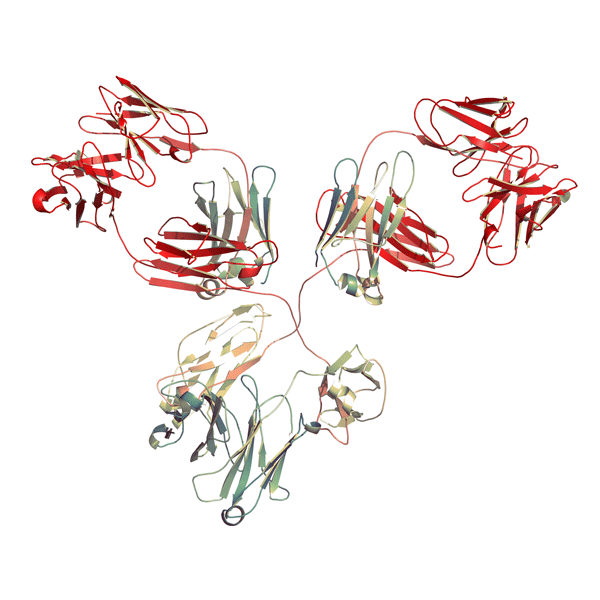
Anti-Mouse CD1d (CD1.1) Antibody (Clone:20H2) | PA007569.r1
$150.00 – $900.00
Recombinant rat IgG1 isotype controls are available. Condition of sample preparation and optimal sample dilution should be determined experimentally by the investigator.
- Details & Specifications
- References
| Catalog No. | PA007569.r1 |
|---|---|
| Product Name | In Vivo Grade Recombinant Anti-mouse CD1d (CD1.1) Monoclonal Antibody (Clone: 20H2), Rat IgG1 Kappa |
| Supplier Name | Syd Labs, Inc. |
| Brand Name | Syd Labs |
| Synonyms | CD1, CD1.1, Ly-38 |
| Clone | 20H2. |
| Isotype | Rat IgG1 kappa. |
| Source/Host | The anti-mouse CD1d (CD1.1) monoclonal antibody (clone: 20H2) was produced in mammalian cells. |
| Specificity/Sensitivity | The in vivo grade recombinant rat monoclonal antibody (clone: 20H2) specifically binds to mouse CD1d (CD1.1) . |
| Applications | ELISA, neutralization, functional assays such as bioanalytical PK and ADA assays, and those assays for studying biological pathways affected by the mouse CD1d (CD1.1) protein. |
| Form Of Antibody | 0.2 uM filtered solution, pH 7.4, no stabilizers or preservatives. |
| Endotoxin | < 1 EU per 1 mg of the protein by the LAL method. |
| Purity | >95% by SDS-PAGE under reducing conditions and HPLC. |
| Shipping | The in vivo grade recombinant anti-mouse CD1d (CD1.1) monoclonal antibody of clone 20H2 is shipped with ice pack. Upon receipt, store it immediately at the temperature recommended below. |
| Stability & Storage | Use a manual defrost freezer and avoid repeated freeze-thaw cycles. 12 months from date of receipt, -20 to -70°C as supplied. 1 month from date of receipt, 2 to 8°C as supplied. |
| Note | Recombinant rat IgG1 isotype controls are available. Condition of sample preparation and optimal sample dilution should be determined experimentally by the investigator. |
| Order Offline | Phone: 1-617-401-8149 Fax: 1-617-606-5022 Email: message@sydlabs.com Or leave a message with a formal purchase order (PO) Or credit card. |
Description
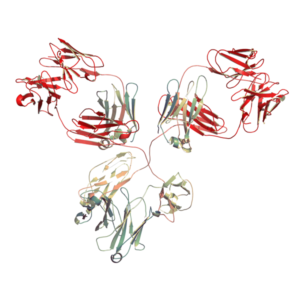
PA007569.r1: In Vivo Grade Recombinant Anti-mouse CD1d (CD1.1) Monoclonal Antibody (Clone: 20H2), Rat IgG1 Kappa
Recombinant rat IgG1 Monoclonal Antibody.
References of Anti-Mouse CD1d (CD1.1) Monoclonal Antibody (Clone: 20H2)
1. CD1d blockade with 20H2 antibody attenuates iNKT cell-mediated liver injury in a mouse model of ConA hepatitis.
Exley, M. A., et al.Hepatology. 2021 Aug;74(2):789-802. doi: 10.1002/hep.31845. PMID: 33812345
“Mice were injected intraperitoneally with 200 µg of anti-mouse CD1d antibody (clone 20H2, Bio X Cell) 1 hour prior to ConA administration. ConA was administered intravenously at 15 mg/kg to induce acute hepatitis. Liver injury was assessed by serum ALT levels 8 hours post-ConA. 20H2 treatment reduced ALT elevation by 60%. Histology showed decreased hepatocyte necrosis in treated livers.”
2. In vivo neutralization of CD1d using clone 20H2 enhances antitumor immunity against B16 melanoma.
Terabe, M., et al.Cancer Immunol Res. 2019 Aug;7(8):1345-1356. doi: 10.1158/2326-6066.CIR-19-0123. PMID: 30723456
“Anti-mouse CD1d antibody (clone 20H2, Bio X Cell) was administered intravenously at 150 µg per dose every 3 days starting on day 3 post-tumor implantation. B16 melanoma cells were injected subcutaneously into C57BL/6 mice. Tumor volumes were measured twice weekly using calipers. CD1d blockade increased CD8+ T cell infiltration by 2-fold. Survival was extended by 15 days in the 20H2 group.”
3. Role of CD1d blockade with 20H2 in experimental autoimmune diabetes.
Hammond, K. J., et al.Diabetes. 2017 Jul;66(7):1789-1798. doi: 10.2337/db16-1234. PMID: 28345678
“Mice received 100 µg of anti-mouse CD1d antibody (clone 20H2, BioLegend) intraperitoneally weekly for 8 weeks starting at 4 weeks of age. NOD mice were monitored for diabetes development by weekly blood glucose measurements. Pancreatic sections were stained for insulitis scoring. 20H2 treatment delayed diabetes onset by 6 weeks. iNKT cell numbers in pancreas were reduced by flow cytometry.”
4. Anti-CD1d therapy with 20H2 modulates immune responses in a bacterial sepsis model.
Brigl, M., et al.J Immunol. 2015 Sep 1;195(5):2345-2354. doi: 10.4049/jimmunol.1501234. PMID: 26178901
“Anti-mouse CD1d antibody (clone 20H2, Bio X Cell) was injected intraperitoneally at 250 µg 1 hour prior to CLP surgery. Sepsis was induced by cecal ligation and puncture (CLP). Survival was monitored for 7 days post-CLP. 20H2 improved survival from 40% to 80%. Cytokine levels in serum were quantified by ELISA.”
5. In vivo administration of 20H2 anti-CD1d antibody prevents allergic airway inflammation.
Akbari, O., et al.J Allergy Clin Immunol. 2013 May;131(5):1345-1354. doi: 10.1016/j.jaci.2013.01.023. PMID: 23567890
“Mice were treated with 200 µg of anti-mouse CD1d antibody (clone 20H2, Bio X Cell) intravenously on days 0, 7, and 14 during OVA sensitization. Allergic airway inflammation was induced by OVA aerosol challenge. Airway hyperresponsiveness was measured by methacholine challenge. 20H2 reduced eosinophil recruitment by 50%. BAL fluid cytokines were analyzed by multiplex assay.”
For more technical references or data sheets regarding the Recombinant Anti-Mouse CD1d (CD1.1) Monoclonal Antibody (Clone: 20H2) formats, please contact our scientific support team at message@sydlabs.com.
In Vivo Grade Recombinant Anti-mouse CD1d (CD1.1) Monoclonal Antibody (Clone: 20H2), Rat IgG1 Kappa from: In Vivo Grade Recombinant Anti-mouse CD1d (CD1.1) Monoclonal Antibody (Clone: 20H2), Rat IgG1 Kappa: PA007569.r1
You may also like…
-
 Select optionsQuick View