

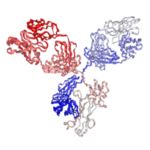
Anti-human CD8a Antibody, clone okt8 | PA007388.m2a
$150.00 – $900.00
Recombinant mouse IgG2a isotype controls are available. Condition of sample preparation and optimal sample dilution should be determined experimentally by the investigator.

- Details & Specifications
- References
| Catalog No. | PA007388.m2a |
|---|---|
| Product Name | Anti-human CD8a Antibody, clone okt8 | PA007388.m2a |
| Supplier Name | Syd Labs, Inc. |
| Brand Name | Syd Labs |
| Synonyms | cluster of differentiation 8, leu-2, T8 |
| Clone | OKT8. |
| Isotype | Mouse IgG2a kappa. |
| Source/Host | The anti-human CD8a monoclonal antibody (clone: OKT8) was produced in mammalian cells. |
| Specificity/Sensitivity | The in vivo grade recombinant mouse monoclonal antibody (clone: OKT8) specifically binds to human CD8a. |
| Applications | ELISA, flow cytometry, neutralization, functional assays such as bioanalytical PK and ADA assays, and those assays for studying biological pathways affected by the human CD8 protein. |
| Form Of Antibody | 0.2 uM filtered solution, pH 7.4, no stabilizers or preservatives. |
| Endotoxin | < 1 EU per 1 mg of the protein by the LAL method. |
| Purity | >95% by SDS-PAGE under reducing conditions. |
| Shipping | The In vivo Grade Recombinant Anti-human CD8a Monoclonal Antibody (Clone: OKT8), Mouse IgG2a Kappa is shipped with ice pack. Upon receipt, store it immediately at the temperature recommended below. |
| Stability & Storage | Use a manual defrost freezer and avoid repeated freeze-thaw cycles. 12 months from date of receipt, -20 to -70°C as supplied. 1 month from date of receipt, 2 to 8°C as supplied. |
| Note | Recombinant mouse IgG2a isotype controls and Recombinant human IgG1 isotype controls are available. Condition of sample preparation and optimal sample dilution should be determined experimentally by the investigator. |
| Order Offline | Phone: 1-617-401-8149 Fax: 1-617-606-5022 Email: message@sydlabs.com Or leave a message with a formal purchase order (PO) Or credit card. |
Description
PA007388.m2a: Recombinant Anti-human CD8a Monoclonal Antibody (Clone: OKT8), Mouse IgG2a Kappa, In vivo Grade
Background of Anti-human CD8a Monoclonal Antibody (Clone: OKT8)
The recombinant OKT8 antibody binds to the human CD8 protein (cluster of differentiation 8), a type I transmembrane glycoprotein and the co-receptor for the T-cell receptor (TCR). Along with the TCR, the CD8 co-receptor plays a role in T cell signaling and aiding with cytotoxic T cell-antigen interactions. The CD8 protein is predominantly expressed on the surface of cytotoxic T cells, but can also be found on natural killer cells, cortical thymocytes, and dendritic cells. The CD8 molecule is a marker for cytotoxic T cell population.
The anti-human CD8a antibody is a monoclonal antibody that specifically targets the CD8 alpha (CD8a) chain, a transmembrane glycoprotein expressed on the surface of cytotoxic T cells and a subset of natural killer (NK) cells. CD8a forms either heterodimers with CD8 beta (αβ) or homodimers (αα), functioning as a co-receptor for the T cell receptor (TCR) by binding to MHC Class I molecules. This interaction enhances T cell activation and supports immune responses against virus-infected cells and tumor cells.
Anti-human CD8a antibodies selectively bind to the 32-34 kDa CD8 alpha chain, making them essential for identifying CD8-positive cytotoxic T lymphocytes (CTLs) and certain NK cell subsets. Popular clones include RPA-T8 and SK1, both mouse IgG1 monoclonal antibodies widely recognized for their specificity and reliability in detecting human CD8a.
In immunology and diagnostics, anti-human CD8a antibodies are critical tools for:
- Flow Cytometry: Quantifying and phenotyping CD8+ T cells in blood or tissue samples, often used with fluorochrome conjugates (e.g., FITC, PE, APC).
- Immunohistochemistry (IHC): Visualizing CD8+ cells in tissue sections to assess immune infiltration in infections, cancer, or autoimmune conditions.
- Cell sorting, immune profiling, and studying adaptive immunity.
CD8a-expressing cells, primarily cytotoxic T cells, play a vital role in eliminating infected or malignant cells. Anti-human CD8a antibodies help researchers and clinicians monitor these populations, contributing to insights in cancer immunology, infectious diseases, and transplantation.
References of Anti-human CD8a Monoclonal Antibody:
1、Role of the 2B4 Receptor in CD8+ T-Cell-Dependent Immune Control of Epstein-Barr Virus Infection in Mice With Reconstituted Human Immune System Components
Chijioke, O., et al. J Infect Dis. 2015 Sep 1;212(5):803-7. doi: 10.1093/infdis/jiv114. PMID: 25722295
“Patients with X-linked lymphoproliferative (XLP) disease due to deficiency in the adaptor molecule signaling lymphocytic activation molecule–associated protein (SAP) are highly susceptible to one specific viral pathogen, the Epstein-Barr virus (EBV). This susceptibility might result from impaired CD8+ T-cell and natural killer cell responses to EBV infection in these patients. …We demonstrate that antibody blocking of the SAP-dependent 2B4 receptor is sufficient to induce XLP-like aggravation of EBV disease in mice with reconstituted human immune system components. …CD8+ T cells require 2B4 for EBV-specific immune control, because 2B4 blockade after CD8+ T-cell depletion did not further aggravate symptoms of EBV infection.”
2、Human natural killer cells prevent infectious mononucleosis features by targeting lytic Epstein-Barr virus infection
“Chijioke, O., et al. Cell Rep. 2013 Dec 26;5(6):1489-98. doi: 10.1016/j.celrep.2013.11.041. PMID: 24360958
This NK-cell-mediated restriction of CD8+ T cell expansion was associated with the accumulation of a distinct NK cell subset in peripheral blood. …Therefore, EBV infection drives an initial NK cell accumulation in the blood that precedes the peak of the T cell response as well as a virus-induced lasting differentiation to mostly CD16+NKG2A+KIR− NK cells, indicative of an early differentiation phenotype. …Given that, during IM primarily lytic EBV, antigen-specific CD8+ T cells expand (Hislop et al., 2007), the differential regulation of latent, i.e., cell proliferation inducing, versus lytic viral replication by NK cells was analyzed. …Instead of CD8+ T cell expansion by elevated viral titers, caused by uncontrolled lytic replication, human T cell expansion could, however, also result from loss of direct NK cell cytotoxicity toward activated T cells, as has been suggested in mice. …All fluorescently labeled antibodies were purchased from BD Biosciences, BioLegend, Invitrogen, and R&D Systems. Spleens were mechanically disrupted and filtered through a 70 μm cell strainer before separation of mononuclear cells on Ficoll-Paque gradients.”
3、Characterization of human antiviral adaptive immune responses during hepatotropic virus infection in HLA-transgenic human immune system mice
Horwitz, J. A., et al. J Immunol. 2013 Aug 15;191(4):1753-64. doi: 10.4049/jimmunol.1201518. PMID: 23833235
“Humanized mice have emerged as a promising model to study human immunity in vivo. …It has recently been demonstrated that the expression of HLA molecules improves human immunity to lymphotropic virus infections in humanized mice. …However, little is known about the extent of functional human immune responses in nonlymphoid tissues, such as in the liver, and the role of HLA expression in this context. …Using a firefly luciferase–expressing adenovirus and in vivo bioluminescence imaging, we demonstrate a human T cell–dependent partial clearance of adenovirus-infected cells from the liver of HLA-transgenic humanized mice. …In conclusion, our study provides evidence for the generation of partial functional antiviral immune responses against a hepatotropic pathogen in humanized HLA-transgenic mice.”
For more references about Anti-human CD8a Monoclonal Antibody please contact our scientific support team with message@sydlabs.com.
Recombinant mouse IgG2a Monoclonal Antibody.
Syd Labs provides the following recombinant anti-human CD8a monoclonal antibodies:
Recombinant anti-human CD8a antibodies (clone OKT8),In vivo grade
Recombinant anti-human CD8a antibodies (clone OKT8) for flow cytometry
Syd Labs provides the following recombinant anti-mouse CD8a monoclonal antibodies:
Recombinant anti-mouse CD8a antibodies (clone 2.43), In vivo grade
Recombinant anti-mouse CD8a antibodies (clone YTS 169.4), In vivo grade
Recombinant anti-mouse CD8a antibodies (clone YTS 105.18), In vivo grade
Syd Labs provides the following recombinant anti-mouse CD8b monoclonal antibodies:
Recombinant anti-mouse CD8b antibodies (clone YTS 156.7), In vivo grade
Anti-human CD8a (OKT8) from: Anti-human CD8a Monoclonal Antibody (Clone: OKT8): PA007388.m2a Syd Labs
You may also like…
- Select optionsQuick View
- Select optionsQuick View